Rivers State Crisis: A Call for Peace Beyond the End of Emergency Rule
Dr. R. M. Adisa
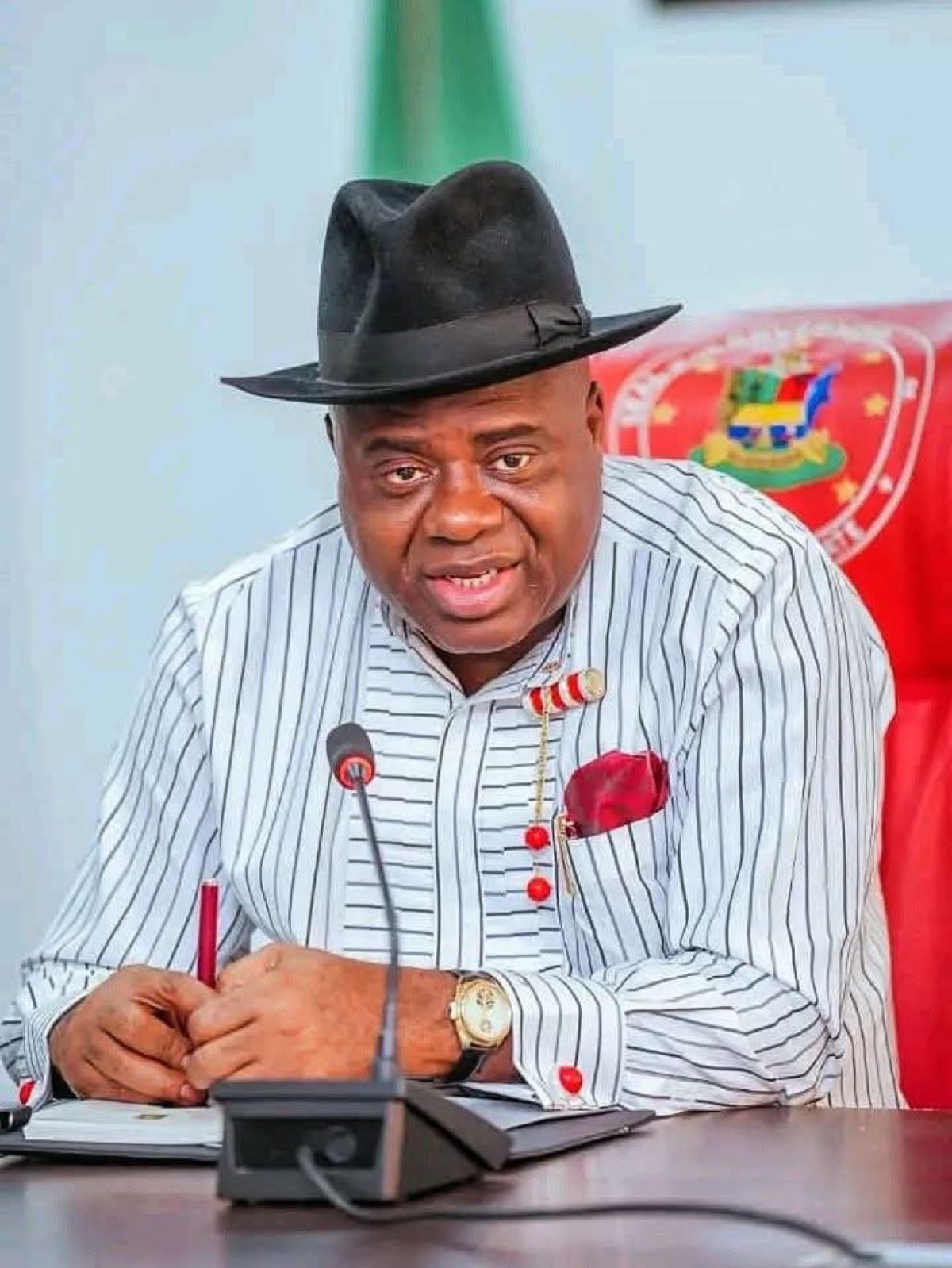
The announcement by President Bola Tinubu ending the emergency rule in Rivers State should ordinarily mark a moment of relief for citizens long wearied by political turbulence. In his directive, he called on Siminalayi Fubara, the suspended governor, to resume office, while also reinstating Deputy Governor Ngozi Nma Odu and members of the Rivers State House of Assembly.

Yet, behind this formal restoration of governance lies a sobering reality. The six-month imposition of emergency rule is a stark reminder of how fragile Nigeria’s democratic stability remains. Even more troubling is the Supreme Court’s failure to treat with urgency the suit brought by eleven state governments, challenging the president’s initial declaration. A decisive ruling could have set a landmark precedent for future cases, strengthening constitutional interpretation and providing clarity on executive overreach. Instead, silence has left a gap in Nigeria’s jurisprudence, raising concerns about the judiciary’s ability to rise above political tides and fulfil its constitutional duty.
As governance resumes, stakeholders must resist the temptation of inflammatory rhetoric, media incitement, and self-serving manoeuvres. The progress of Rivers State, and indeed Nigeria’s democracy, rests on a commitment to peace, dialogue, and respect for institutions. This moment is not for triumphalism or recrimination but for sober reflection: political actors must put aside personal interests and embrace genuine reconciliation, for the stability of the nation depends on it.