By Hamza Oyinwonuola Oluwadamilola/230902015/300 Level/Mass Communication/UNILAG
MEDI-TECH: How Health Technology is Transforming Care
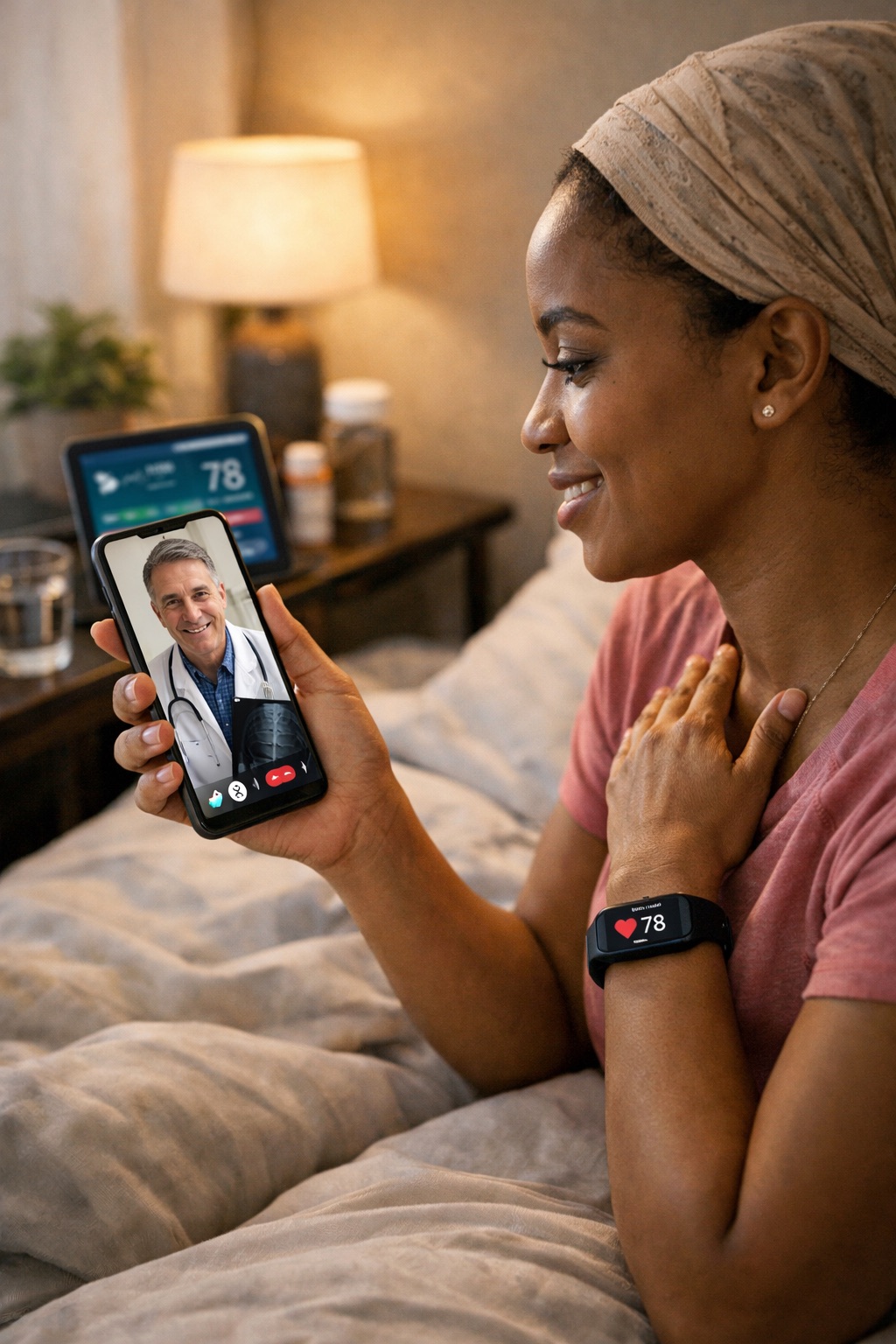
Imagine being able to consult a doctor without leaving your bedroom. For Amina, this is not just imagination—it is her reality. She had recently noticed unusual fatigue and occasional chest discomfort, but instead of waiting weeks for a hospital appointment, she turned to a telemedicine platform on her smartphone.
Within minutes, a certified doctor appeared on her screen. This was more than a simple video call. Her wearable devices, including a smartwatch and a smart ring, were transmitting her vital signs in real time, showing her heart rate, blood pressure, sleep patterns, and oxygen levels. Advanced algorithms flagged subtle changes that might have gone unnoticed for weeks, alerting both Amina and her doctor to potential health issues.
This is the power of medicine and health technology. Telemedicine enables doctors to provide remote consultations while wearable devices continuously monitor patients’ health. Artificial intelligence and data analytics analyze these patterns, helping doctors detect early warning signs and create personalized treatment plans. In Amina’s case, this combination allowed her to receive guidance and care before her condition became serious.
Health technology improves accessibility, making it possible for patients in remote or underserved areas to consult top specialists without traveling long distances. Continuous monitoring facilitates early detection, and patients can receive timely interventions without waiting in crowded hospitals. Care becomes more convenient and personalized, with AI-driven insights tailored to each individual’s health data.
For Amina, the impact went beyond medical advice. She actively tracks her blood pressure, follows suggested exercise routines, and maintains her diet based on recommendations generated by her health system. She is not merely a recipient of care; she is an active participant in maintaining her wellness.
Globally, this shift is reshaping healthcare. Hospitals can manage resources more efficiently, doctors can provide guidance to more patients, and patients benefit from improved outcomes. From telemedicine and wearable sensors to remote diagnostics and AI-assisted decision-making, technology is redefining the patient experience.
Amina’s story illustrates a profound truth: medicine no longer belongs solely to hospitals. With health technology, care is immediate, proactive, and accessible. Patients everywhere are discovering that the future of healthcare is not only about treatment but also about empowerment, prevention, and smarter living.