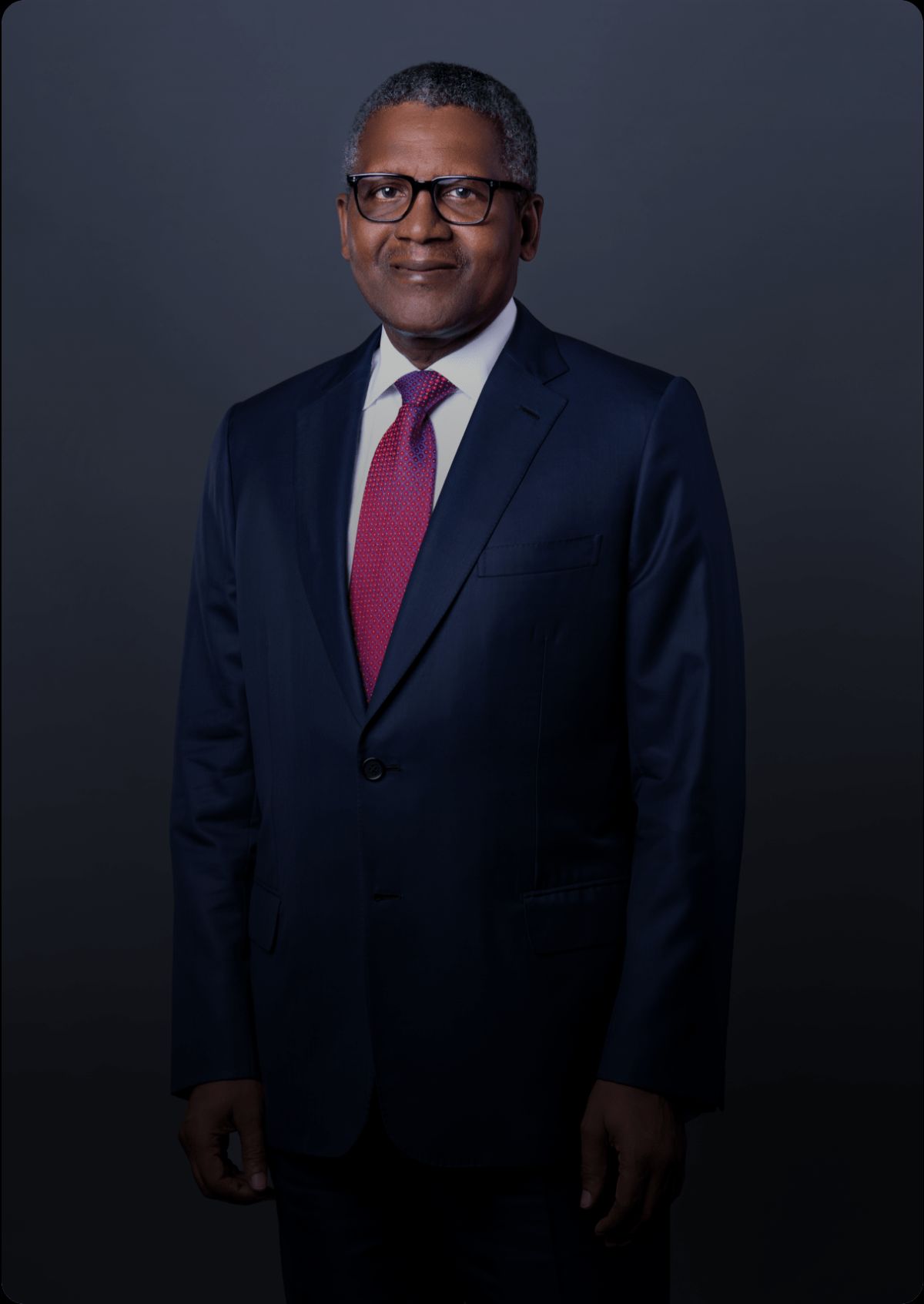
During a recent media interaction following a meeting with President Bola Tinubu, Aliko Dangote, Chairman of the Dangote Group, addressed the need for a shift in spending priorities among Nigeria’s wealthiest citizens. He expressed concern about a prevailing culture of conspicuous consumption, highlighting the increasing ownership of luxury vehicles and private jets as examples of this trend.
Dangote referenced historical precedent, noting that during Nigeria’s military era, leaders and citizens alike exhibited more modest consumption patterns. He contrasted these past practices with current behaviors, which, in his view, reflect misplaced priorities. The proliferation of high-end automobiles and private aircraft, he argued, is indicative of a focus on personal status rather than on investments that could have broader economic impact.
The Chairman suggested that resources currently allocated to luxury goods could be better utilized in sectors such as manufacturing and agriculture. Investments in these areas, he maintained, have the potential to generate employment and contribute to sustainable development. Dangote also cited Nigeria’s rapid population growth, 8.7 million births annually, as a factor increasing pressure on infrastructure and the job market. He emphasized the need for expanded power supply and improved infrastructure to meet the country’s rising demands.
In addition to advocating for industrial investment, Dangote addressed the issue of tax compliance. He described paying taxes as both a legal obligation and a means of supporting public services. According to Dangote, responsible corporate citizenship, including meeting tax obligations, can help ensure access to education and healthcare.
Dangote was critical of an over-reliance on foreign investment, asserting that international investors are unlikely to commit to Nigeria unless local investors display confidence by investing domestically. He stressed the importance of good governance, effective policies, and the rule of law in creating a climate conducive to both local and foreign investment.
The discussion also included an update on the Dangote Refinery, which he said is projected to produce a surplus of refined petroleum products. This, he explained, could position Nigeria as a net exporter of fuel within West Africa, potentially addressing regional supply challenges and contributing to the country’s economic diversification.
Dangote’s comments are consistent with his longstanding advocacy for local investment and industrialization as drivers of Nigeria’s economic growth. He reiterated his position that the nation’s future prosperity will depend on a collective willingness, particularly among the elite, to prioritize productive investments over personal luxury.



.jpeg?alt=media&token=96b327a5-8e62-4ed1-a078-308aff149ed1)