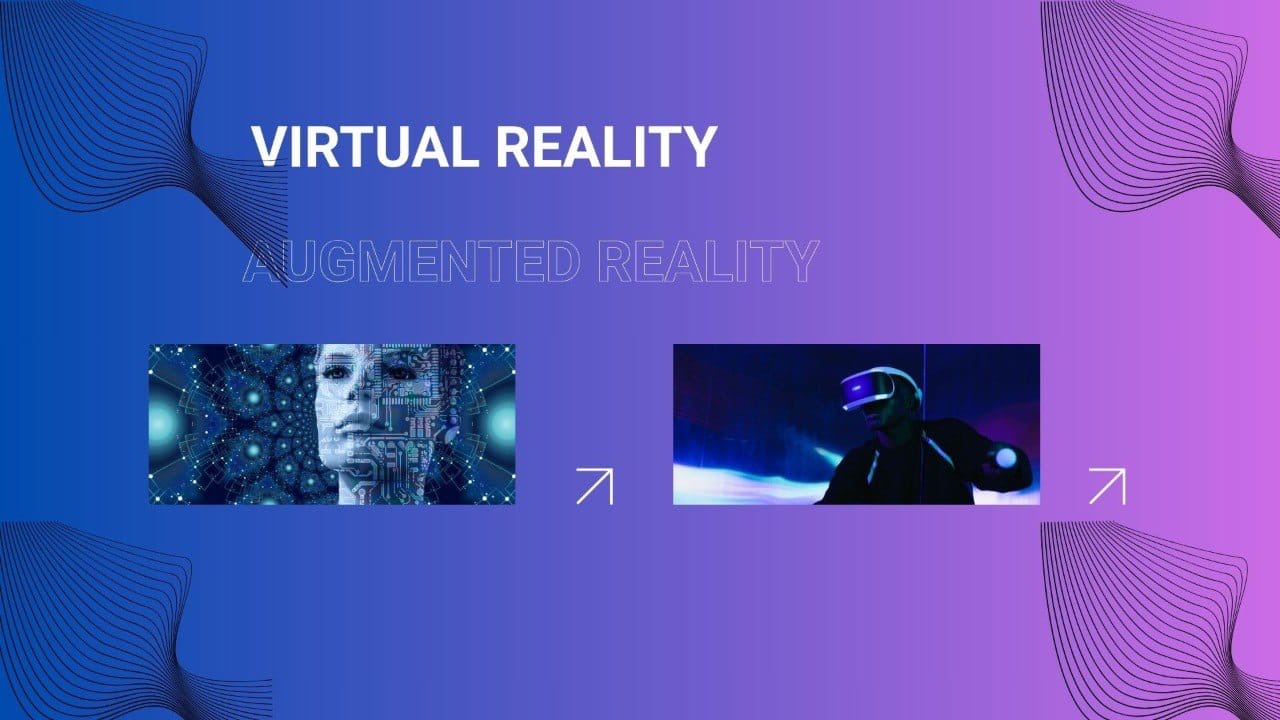
As technology continues to evolve, new tools are changing how students learn and how teachers teach. Among these innovations, Virtual Reality (VR) and Augmented Reality (AR) are standing out for their ability to make learning more immersive, interactive, and engaging.
What Are VR and AR?
Virtual Reality (VR) allows learners to step into a completely digital environment using special headsets. In this space, students can conduct experiments, explore historical locations, or practice technical skills without physical limitations.
Augmented Reality (AR) works differently. It adds digital elements—such as images, animations, or text—on top of the real world using smartphones or tablets. Instead of replacing reality, AR enhances it, helping students understand concepts more clearly.
How VR and AR Are Changing Learning
One of the biggest strengths of VR and AR is their ability to turn abstract ideas into real experiences. Science students can explore the human body in 3D, history students can “visit” ancient civilisations, and engineering students can interact with virtual machines. This makes learning more active and helps students retain information better.
Rather than listening passively, learners engage directly with content, ask questions, and explore at their own pace.
The Nigerian Perspective
In Nigeria, the use of VR and AR in education is still developing. Challenges such as cost, limited infrastructure, and access to devices have slowed widespread adoption. However, some private schools, training centres, and higher institutions are beginning to explore these technologies, especially through mobile-based AR applications.
As internet access improves and digital literacy increases, VR and AR have the potential to close learning gaps and expose Nigerian students to global learning experiences.
Why VR and AR Matter
They make learning more engaging and interactive
They help students understand complex concepts easily
They support practical learning without physical risks
They encourage curiosity and independent learning
Despite their benefits, VR and AR are not without challenges. High costs, technical limitations, and the need for teacher training remain major concerns. For these technologies to be effective, they must be thoughtfully integrated into the curriculum.
Virtual Reality and Augmented Reality are gradually reshaping education by transforming how knowledge is experienced. While their use in Nigeria is still growing, their potential is undeniable. As these technologies become more accessible, they may redefine classrooms and create richer learning experiences for students everywhere.