Published by:
Iyoke Sunday Paschal
Dependent of Veterinary Medicine,
University of Nigeria Nsukka
13/06/2025
Introduction:
Rabies is one of the most feared diseases affecting dogs, and rightly so—it is nearly always fatal once symptoms appear. Not only does it endanger animal life, but it also poses a serious threat to human health, making it a critical zoonotic disease of global concern. Understanding its cause, transmission, and prevention is essential for both pet owners and veterinary professionals.
🦊What is Rabies?
Rabies is a viral disease that affects the central nervous system (CNS) of mammals, including dogs and humans. Once clinical symptoms appear, the disease progresses rapidly and leads to death.
😶🌫️Causative Agent
Rabies is caused by the Rabies virus, a neurotropic virus belonging to the genus Lyssavirus in the family Rhabdoviridae.
🦠Mode of Infection and Transmission
Rabies is primarily transmitted through the bite or scratch of an infected animal. The virus is present in the saliva of rabid animals and enters the body through broken skin or mucous membranes. Other possible, though less common, routes include:
Inhalation of aerosolized virus (in bat caves, for example)
Organ or tissue transplants from infected donors
Once inside the body, the virus travels through peripheral nerves to the spinal cord and brain, where it multiplies and causes encephalitis.
🧏Zoonotic Effect
Rabies is one of the most deadly zoonotic diseases—diseases that are transmitted from animals to humans. Humans are infected in the same way as animals: through bites, scratches, or contact with saliva from infected animals. Without immediate treatment, rabies in humans is 100% fatal after the onset of symptoms.
🐕Symptoms in Dogs
Rabies typically presents in two forms:
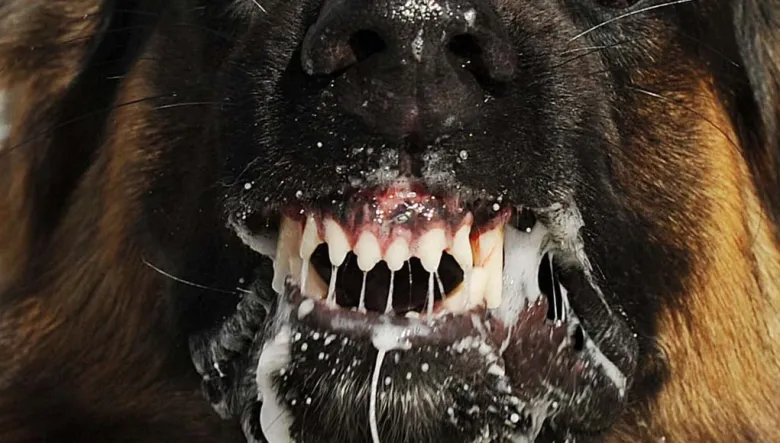
Furious form – aggression, restlessness, excessive salivation, difficulty swallowing, abnormal behavior.
Paralytic (dumb) form – weakness, loss of coordination, eventual paralysis starting from the bitten limb and progressing to the whole body.
Other signs include:
Hydrophobia (fear of water)
Dropped jaw
Excessive vocalization
Sudden death
🐶🐕🦺How to Avoid Rabies
Vaccination – Regular rabies vaccination for pets is the most effective preventive measure.
Avoid Strays – Do not let your dog roam unsupervised or interact with stray animals.
Leash Control – Walk dogs on a leash to minimize risk of contact with infected animals.
Public Awareness – Educate communities about the dangers of rabies and importance of vaccination.
🗑️Control Measures
Mass Dog Vaccination Campaigns: Achieving 70% vaccination coverage in dogs can eliminate rabies from an area.
Stray Dog Population Control: Humane population control through neutering.
Post-Exposure Prophylaxis (PEP): In humans, immediate washing of the wound and administration of rabies immunoglobulin and vaccines can prevent the virus from progressing.
💊💊💉Best Medicine or Cure
There is no known cure for rabies once clinical symptoms appear, in either animals or humans. Therefore, prevention is key. However, prompt and proper post-exposure prophylaxis (PEP) in humans—before symptoms appear—has almost 100% success rate.
In animals, once signs start, euthanasia is usually recommended both for animal welfare and public safety.
Conclusion
Rabies remains a serious threat, especially in regions with low vaccination coverage. Despite being 100% preventable, thousands of deaths occur annually due to lack of awareness and poor control. Vaccination, education, and responsible pet ownership are the pillars for eradicating this deadly disease.
Rabies kills, but it doesn’t have to. Vaccinate today—save a life tomorrow.