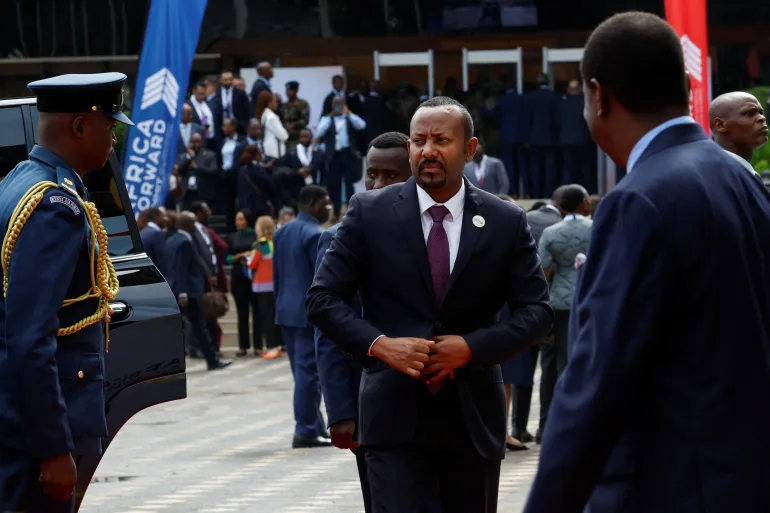
Ethiopian Prime Minister Abiy Ahmed’s Prosperity Party has secured a sweeping victory in national parliamentary elections, tightening its grip on power even as large parts of the country remain scarred by conflict and instability.
Official results from the National Election Board show the ruling party winning 438 of 486 declared seats in the House of Peoples Representatives, giving it close to 90 percent of the contested constituencies. Elections were held in 501 of the country’s 547 constituencies, with around 40 million of the 54 million registered voters casting ballots.
The outcome cements Abiy’s dominance over Ethiopia’s political landscape. His party entered the race as the clear favourite, facing a fragmented opposition that struggled to field candidates nationwide and often lacked funding and organisational reach. In 64 constituencies, the Prosperity Party ran unopposed. The best-organised rival, the Ethiopian Citizens for Social Justice party, known as Ezema, fielded 293 candidates compared with the ruling party’s 461.
Under Ethiopia’s system, voters choose members of the House of Peoples Representatives, who then select the prime minister from among their ranks. With such an overwhelming majority, Abiy’s reappointment is virtually assured once lawmakers convene for the leadership vote.
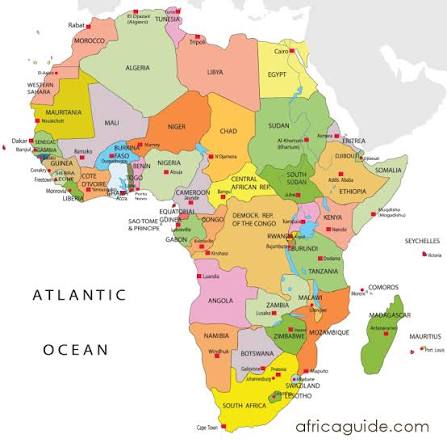
The landslide, however, masks deep fractures. Large swathes of the country either did not vote or saw polling disrupted by violence and insecurity. The northern Tigray region, still reeling from a brutal two-year war that left hundreds of thousands dead and displaced, was excluded from the ballot. Relations between Tigrayan authorities and the federal government remain tense, with both sides reinforcing positions along contested frontiers and trading accusations of preparing for renewed hostilities.
In Amhara, Ethiopia’s second most populous region, nationalist Fano militias clashed repeatedly with federal forces around election day. Conflict monitors reported dozens of confrontations, and polls were cancelled in eight constituencies after threats to disrupt the vote.
Oromia, the country’s most populous region and Abiy’s home base, also saw serious unrest. The Oromo Liberation Army, an insurgent group, was blamed for attacks that targeted civilians and disrupted polling in parts of Arsi. Witnesses reported at least 11 people killed over several days of violence, with multiple armed clashes recorded between the group and federal troops.
The Prosperity Party’s commanding victory gives Abiy a powerful mandate on paper. Yet the combination of boycotted regions, security-driven closures of 143 polling stations, and ongoing insurgencies raises questions about how representative the new parliament will be, and whether the government can translate electoral dominance into lasting stability.