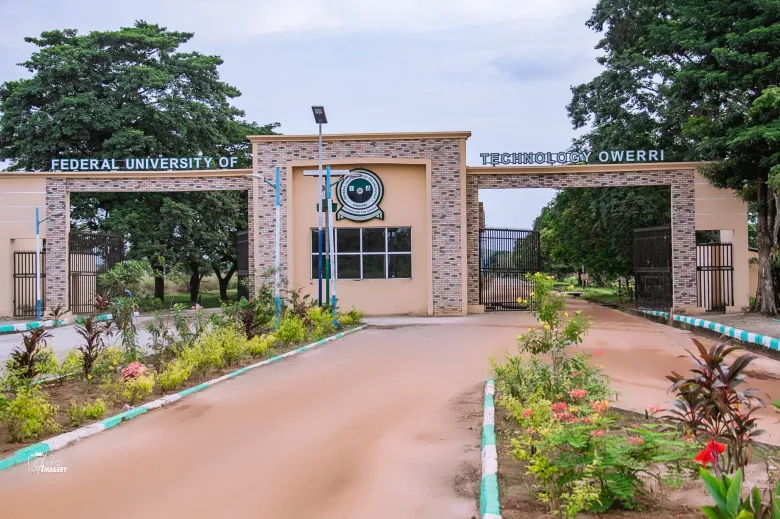
The scent of fresh ink and dusty paper always reminds me of FUTO, the way the pages of borrowed textbooks smelled after nights spent under flickering and failing hostel bulbs. Outside, the hurried taps of sandals against broken tarred roads filled the morning air, students chasing late lectures in different outfits of the day and crumpled notes. I could still taste the soaked garri from yesterday — sour, sweetened only by a single cube of sugar I had to share with a few ants— sitting heavy in my stomach. Past the roundabout, the glasses seller adjusted his wares, balancing cheap frames like dreams on his worn-out table.
All of it — the smells, the sounds, the hunger, the desperate hope stitched into every corner — felt like one word stretching across the hot, burning, restless sky: FUTO.
I was about to begin my final exams, the supposed finish line after five long years. Five years of forgotten birthdays spent in practical halls, early morning lectures, impromptu strikes, cold baths, endless assignments, and prayers whispered with empty stomachs. Five years of trying to make something of myself. To survive. To matter.
And yet, as I stood there clutching my biro and faded notes, a question gnawed at my chest, louder than the noise of the students rushing past: What was the point?
What was the point of five years when the world waiting beyond these gates felt like a collapsed bridge? Nigeria, with its broken promises, new anthems and empty slogans. A country where first-class degrees gathered dust while politicians printed wealth from words and thin air. Where dreams were cheap, and connection — not hard work — was the real currency.
I thought about the years my parents had sacrificed, the nights my mother stayed awake praying, the afternoons my father missed meals just to send me pocket money. I thought about my 4.78 CGPA — a number carved from sweat and sleepless nights — and how even that might not be enough. I imagined standing in long queues under the sun, CV in hand, begging for jobs that paid just enough to keep surviving but never enough to start living.
A bitterness crept into my throat, heavier than the taste of garri. I hated it — hated the system, hated the hopelessness, hated how fear had quietly set up camp inside my chest. I was tired. Tired of pretending everything would work out if I just "tried harder." Tired of carrying a country on my back that refused to carry me in return.
“Awfar bro, Prof. Duru don come ooo, you know how he is, make we dey go!” Michael, my course rep tapped me saying, snapping me from my thoughts. I looked around — at the students laughing despite the heat, at the hawkers shouting prices with stubborn hope, at the old man selling glasses no one would probably buy. Somehow, they were still moving, still smiling, still dreaming, even when the ground was cracked and dry and the sun hotter than Mercury.
I remembered the nights in my tiny room, where I dreamt not just of money or titles, but of moments. Of walking across the graduation stage. Of my mother's face glowing with pride. Of knowing, even if just for a second, that all the struggle wasn't for nothing.
Maybe life wasn't a straight line from effort to reward. Maybe it was a messy, winding path of experiences, little wins, unexpected kindness, broken hearts, found friends and families, losses that sting and memories that heal.
Maybe the whole point of this Process — this wild, exhausting, heartbreaking Process called life — was never really about "winning" at all. Maybe it was about the running itself, the sweating, the falling, the getting up, the laughing in between.
Maybe it was about living, fully and fiercely, even when everything around you told you not to bother.
As I slipped into the crowded lecture hall, biro tight in my hand, I breathed in the scent of ink and dust once more. It didn't smell like defeat anymore.
It smelled like survival.
It smelled like hope.
It smelled like FUTO.
And for today, that was enough.