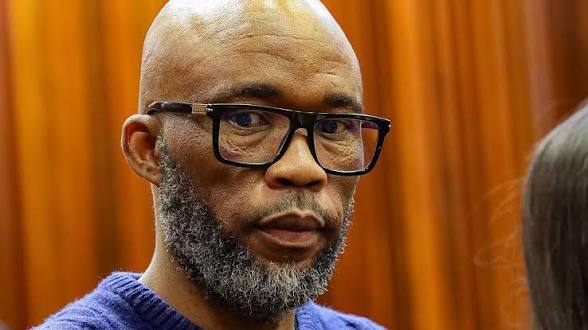
Controversial businessman Vusimusi “Cat” Matlala has admitted his role in a sweeping police corruption scandal, pleading guilty in a Pretoria court to fraud, corruption, and money laundering linked to a multimillion-dollar health services contract for the South African Police Service.
Matlala, the owner of Medicare24 Tshwane, confessed to paying more than $18,000 to a senior police officer to secure her influence over the awarding of a lucrative wellness services tender. The contract, worth nearly $14 million, was intended to provide health and wellness support to police personnel nationwide.
Although the agreement was later cancelled, authorities say more than $3 million had already been paid to Matlala’s company before the plug was pulled. Investigators allege the deal was riddled with irregularities, from the tender process to the structuring of payments, and formed part of a broader pattern of graft within police procurement.
Under a plea agreement presented to the court, Matlala faces a 15-year prison sentence, with seven years suspended, on condition that he cooperates fully with prosecutors. The arrangement would see him become a key state witness against senior police officials and other alleged beneficiaries of the scheme.
Prosecutors say Matlala has already submitted a detailed affidavit outlining how the tender was manipulated, who benefited, and how money was moved through company and personal accounts. He has also provided documentation that investigators believe will corroborate his claims, including correspondence, financial records, and internal company papers.
The case is being closely watched by anti-corruption campaigners, who view it as a test of the state’s willingness to pursue powerful figures within law enforcement. The scandal has raised fresh questions about the integrity of police leadership and the vulnerability of public tenders to political and financial interference.
Legal analysts note that turning an accused organiser into a cooperating witness is a common strategy in complex corruption cases, potentially opening the way for prosecutions higher up the chain. However, the proposed sentence has already sparked debate over whether it is sufficiently harsh for the scale of the alleged wrongdoing.
The magistrate is expected to rule on whether to accept the plea deal after considering the seriousness of the offences, the value of Matlala’s cooperation, and the public interest in exposing systemic corruption within the police service.