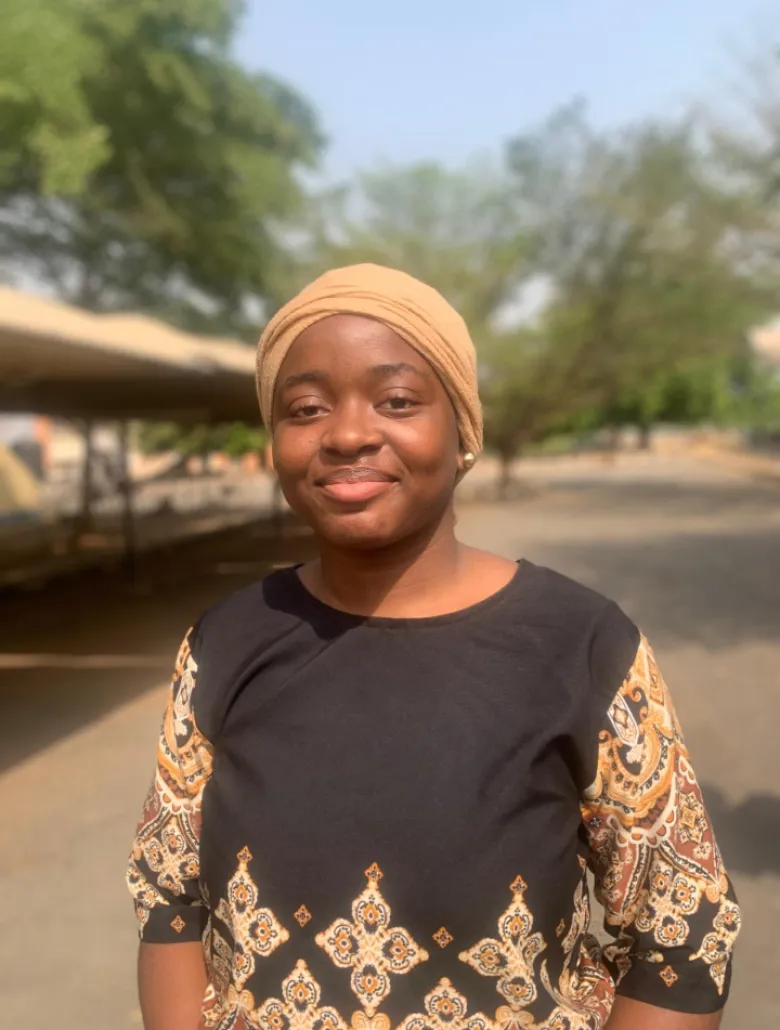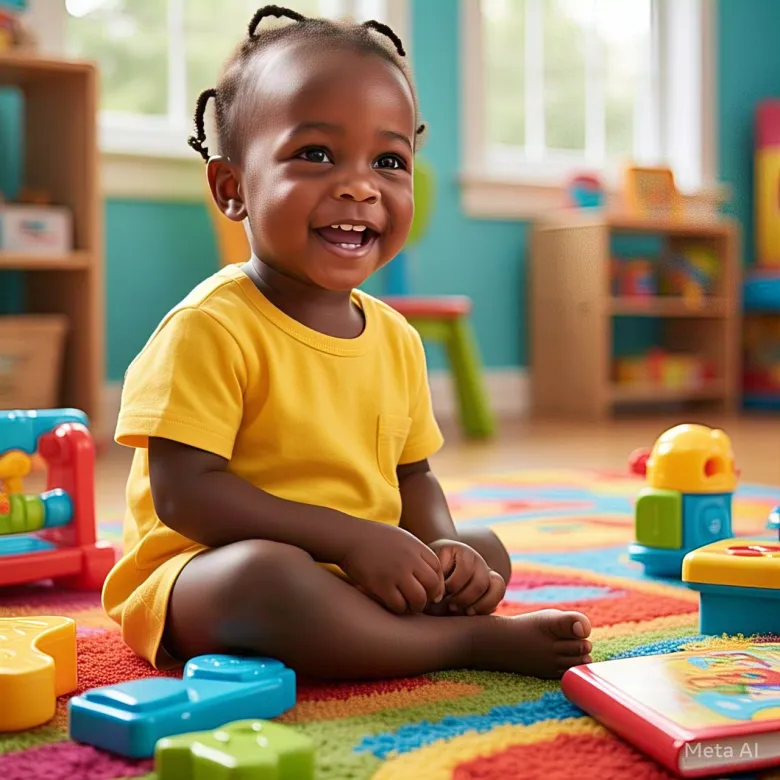
Chiamaka, an eleven-year-old girl from Lagos, had always been different. From a young age, she struggled with communication, eye contact, and social interaction. Her mother, Mrs. Obiageli Eze, didn’t understand what was wrong. After countless visits to doctors who dismissed her concerns, Mrs. Eze stumbled upon the word “autism” online and began researching it.
Chiamaka was eventually diagnosed with autism, a moment that brought both relief and fear. There were few specialists in Nigeria, and therapy was expensive. Mrs. Eze sought help from various clinics but often faced resistance, with some doctors offering only unproven treatments or suggesting prayer. The lack of awareness about autism in Nigerian society made things even harder, with neighbors and family members offering judgmental comments, calling Chiamaka “stubborn” or “cursed.”
However, Mrs. Eze refused to give up. She found support in the Autism Parents Association of Nigeria (APAN), which helped her connect with other families and learn about a special school in Lagos that catered to children with autism. Though the fees were high, Mrs. Eze managed to get a scholarship for Chiamaka. The school became a place where Chiamaka could thrive, learning to communicate using picture cards and participating in therapy sessions.
Despite progress, many challenges remained. Nigerian schools were often unprepared to support children with autism, and public spaces offered little sensory-friendly accommodation. Mrs. Eze became an advocate for autism awareness, using her story to push for better policies and inclusion.
In 2024, her efforts bore fruit when the Nigerian government amended the Disability Act to officially recognize autism. This victory was a step forward in securing better support for children with autism in Nigeria. At a ceremony in Abuja, President Buhari signed the amendment into law, marking a new chapter in the fight for autism recognition.
Today, awareness of autism in Nigeria is growing. More schools are adopting inclusive practices, and autism advocacy groups continue to push for change. Yet, much work remains to ensure that every child with autism receives the support they need. Chiamaka’s story is a testament to the resilience of families fighting for recognition, and it highlights the importance of speaking up for those who are often overlooked.