Last semester, the GST Cultural Presentation brought the entire hall to life with a celebration of heritage, colors, and tradition. For me, it was more than just an academic event — it was a doorway into the world of the Gbagyi people, whose culture my group proudly represented.
The week before had been full of rehearsals, costume fittings, and last-minute adjustments. I remember the first time we learned the Gbagyi dance steps — it wasn’t easy. I had body pains after the first day though but it was a beautiful experience because ordinarily, I would not have danced because I am always shy to dance. The movements were simple but graceful, and they required a special kind of rhythm that I had to practice over and over again. But with each rehearsal, the beats of the song we would later play through our speaker started to feel like part of my own heartbeat. Although, I did not dance along with them on that day.
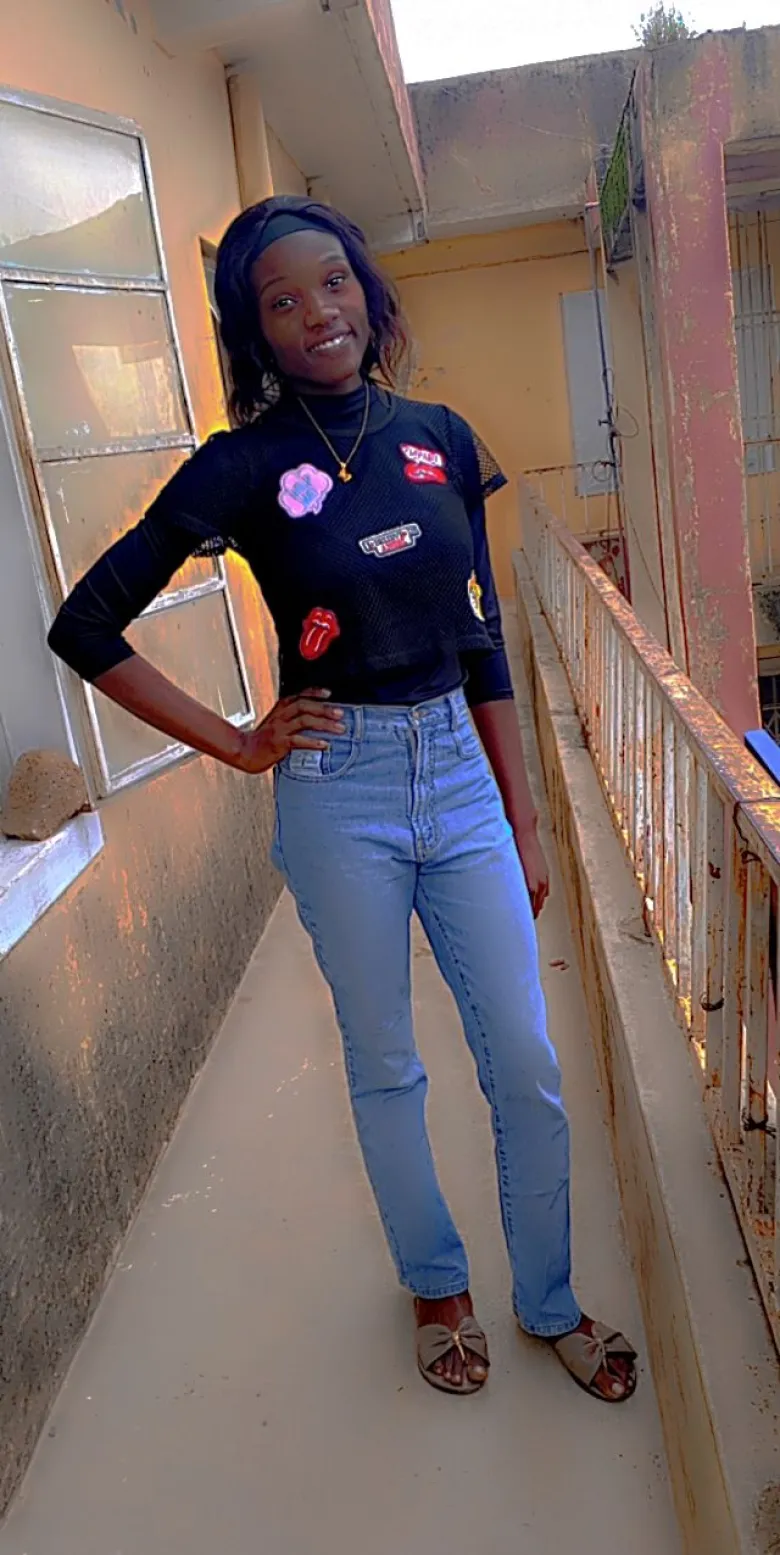
We had spent days gathering the right costumes as made contributions towards it — the females wore wrappers — a mixture of white and black — tied elegantly, with matching headscarves, while the males also had wrappers in white and black tied firmly around their waists. Adding to the authenticity, some of the men were dressed half-naked, wearing costumes that included bows, arrows, and even agricultural tools, symbolizing the deep connection between the Gbagyi people and their land.
The venue buzzed with energy. Groups representing other cultures like the Yorubas, Igbos, Benins, Tivs, e.t.c, were also getting ready, each corner of the venue filled with colors, laughter, and music from different tribes. But as our turn approached, my focus sharpened. You guysssss 🤭, I shouted through out 😹
When the speaker began to play the traditional Gbagyi music, the place was filled with its rhythmic beats. Our group stepped forward in unison, and it felt like we were carrying the soul of the Gbagyi people into that room. The blend of our costumes, the sound of the music, and the confident yet graceful dance movements created a picture so vivid, I could see smiles spreading across faces and cameras rising to capture the moment.
It was a wonderful program that represented the many tribes we have in Nigeria. A colourful and beautiful event that created awareness of what we, Africans — especially Nigerians — stand for. In as much as civilization is in place, we always have our roots, and our cultures and traditions cannot be easily forgotten.
That day reminded me of the true essence of African culture — its beauty, its unity, and its strength. Representing the Gbagyi culture was not just an assignment; it was a journey into the heart of heritage. It taught me that culture is not simply history written in books — and honestly, it is alive in our music, clothing, tools, dances, and the stories we tell.