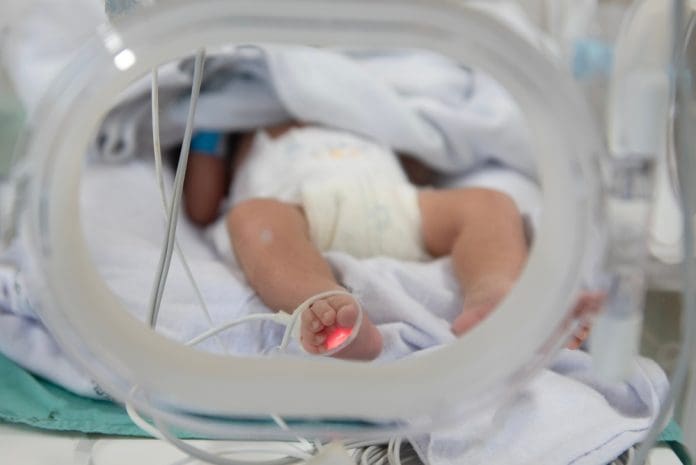
Recent clinical observations indicate that newborn infants can harbor antibiotic resistance genes in their gut microbiome within the first 72 hours of life. This challenges the long-standing assumption in medical literature that the neonatal gut is nearly sterile at birth and is colonized gradually through delivery and breastfeeding.
In a study analyzing stool samples from more than 100 infants in a neonatal intensive care unit, researchers detected a broad range of antibiotic resistance genes, or ARGs, in almost all subjects. ARGs are DNA sequences that enable bacteria to survive exposure to antibiotics that would otherwise be lethal. Their early presence suggests that initial gut colonizers may already possess mechanisms to withstand commonly used antimicrobial agents.
Source tracking analyses linked many of these resistance genes to maternal and hospital-associated factors. Maternal antibiotic use, hospitalization during pregnancy, and early invasive procedures in the infant, such as placement of central venous catheters, were associated with a higher diversity and abundance of ARGs in the neonatal gut, often referred to collectively as the “resistome.”
These findings contradict the view that clinically relevant resistance develops only after repeated antibiotic exposure during childhood. Instead, they support a model in which infants acquire resistant bacteria and their genes from maternal microbiota and the healthcare environment, potentially via transplacental transfer, exposure during passage through the birth canal, or contact with hospital surfaces and equipment.
Researchers identified genes capable of inactivating several commonly used antibiotics, including those that degrade widely prescribed drug classes. The consistency of these patterns across infants suggests that a relatively stable set of resistance determinants is established within days after birth.
Early-life gut microbiota are known to influence immune system development, metabolic programming, and the risk of conditions such as allergies, asthma, obesity, and certain neurodevelopmental outcomes. If resistant strains constitute a substantial portion of these early microbial communities, this may affect how infants respond to infections and to antibiotic therapies intended to treat those infections.
Experts interpret these data as support for stricter antibiotic stewardship during pregnancy and in neonatal care, as well as for enhanced infection control practices in hospital settings. They also identify a need for further research into whether modifying maternal microbiomes, adjusting perinatal care practices, or altering delivery-related exposures could reduce the initial burden of antibiotic resistance genes in newborns.