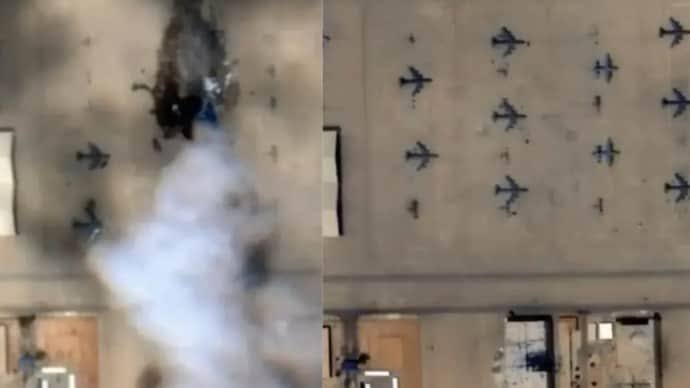
In a dramatic escalation that Washington can’t easily spin away, an Iranian missile and drone barrage slammed into Prince Sultan Air Base in Saudi Arabia, wounding 12 U.S. service members and damaging multiple high-value American refueling aircraft, according to a U.S. defense official.
The official, speaking anonymously due to the sensitivity of the situation, confirmed that at least one ballistic missile and several unmanned aerial systems were used in the attack, believed to have been launched by or on behalf of Iran. The targets were not random: several KC-135 and KC-10 refueling planes on the flight line reportedly suffered visible structural damage.
All 12 wounded troops are being treated at U.S. military facilities in the region. Officials are tight-lipped about the severity of the injuries, but insist no personnel are missing. Still, the message is clear: the supposedly secure backbone of U.S. air power in the Middle East is far more exposed than American leaders have been willing to admit.
Satellite images circulating online show what appears to be blast and shrapnel damage to aircraft parked in the open, along with impact points on the tarmac. Defense commentators say the visuals line up with a deliberate, calculated strike aimed at crippling U.S. aerial refueling capacity rather than wiping out the base itself.
This latest attack comes on the heels of the death of Army Sgt. Benjamin N. Pennington, 26, who died from wounds suffered in a previous strike on the same installation. U.S. Central Command has already acknowledged that more than 300 American service members have been wounded in the broader conflict, a number that keeps climbing even as officials downplay the scale of ongoing hostilities.
The strike lands at a volatile moment, with Iran, Saudi Arabia, Israel, and the United States all maneuvering for advantage in a region on edge. Washington is trying to reassure Gulf partners that U.S. security guarantees still mean something, while simultaneously insisting it wants to avoid a wider regional war that could disrupt global energy markets and shipping lanes.
Iran, for its part, is openly signaling that it can absorb pressure and still hit back where it hurts, even as it selectively cooperates on limited humanitarian issues and maritime access. The attack on Prince Sultan Air Base will only intensify questions in Washington and allied capitals about how exposed U.S. forces really are, why air defense gaps persist, and whether the long-term American military presence in the region is becoming more liability than asset.