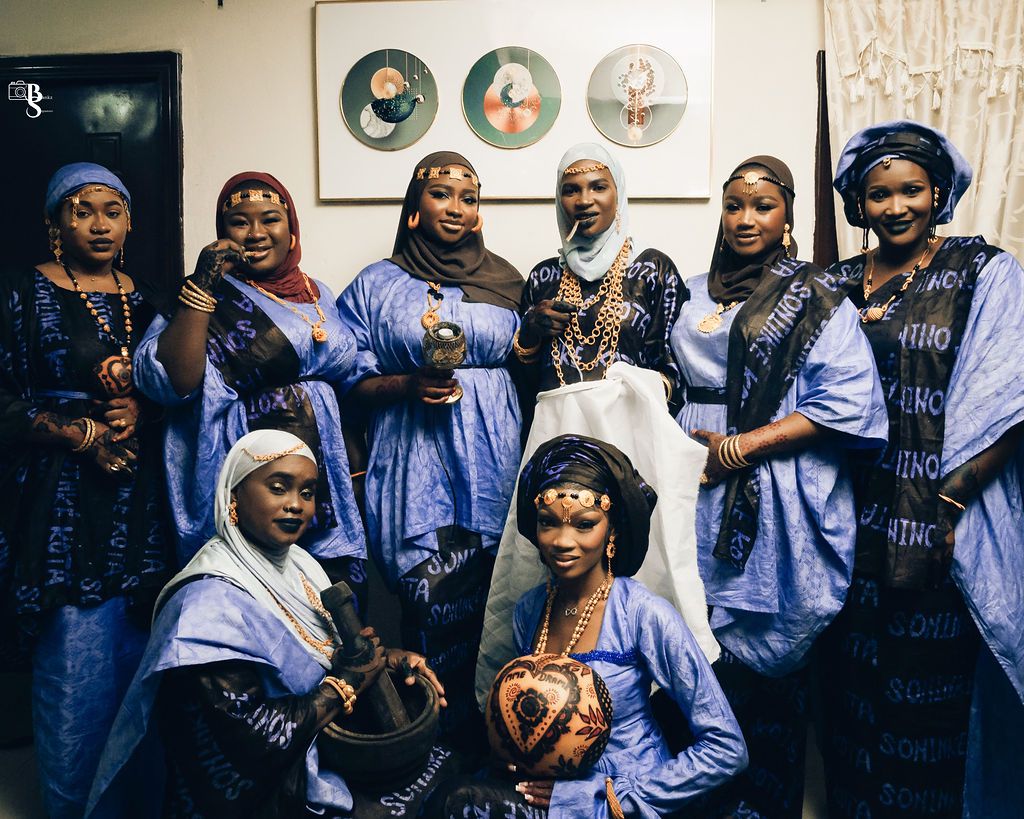
Traditional clothing is increasingly visible on campus, with students adopting native wear for everyday activities beyond cultural days and formal events. Ankara shirts, Adire tops, kaftans, and Aso-oke accessories are now commonly worn to lectures, hostel gatherings, church fellowships, departmental events, and casual outings.
The shift reflects a broader change in student fashion preferences, as many students combine traditional fabrics with modern styles to express their identity and creativity. What was once considered “old fashioned” is now widely worn, particularly because local fabrics are adaptable and more affordable for everday use.
Social media platforms such as Instagram, Snapchat, and TikTok have contributed to the trend by showcasing native outfits worn by influencers, student designers, and peers. These platforms have increased exposure to traditional styles and encouraged experimentation among students.
Observations around campus show a range of outfits, including Ankara jackets paired with jeans, Adire shirts, short Ankara gowns, palazzo trousers, kaftans, and mordernised Buba and Sokoto styles. Some lecturers have also been seen wearing native attire more frequently, reinforcing the growing acceptance of traditional wear within the university environment.
A campus fabric seller, Miss Fateemah, a 300-level student who sells Adire materials, noted increased demand. “Sales of Adire fabrics have risen as more students appreciate their comfort, durability, and affordability,” she said. “Both male and female students buy the fabrics for different styles.”
Students cite several reasons for embracing traditional wear, including comfort, versatility, cultural representation, and cost. The presence of student-run tailoring businesses on campus has also made custom-made native outfits more accessible.
With growing interest among students and staff, traditional fashion has become a noticeable part of campus life and also transcends to the other world, reflecting changing tastes and a renewed engagement with local culture.