Nigeria’s flagship crude grade, Bonny Light, has surged to $80 per barrel, leaping from $70 and underscoring how swiftly geopolitical tensions can jolt global energy markets.
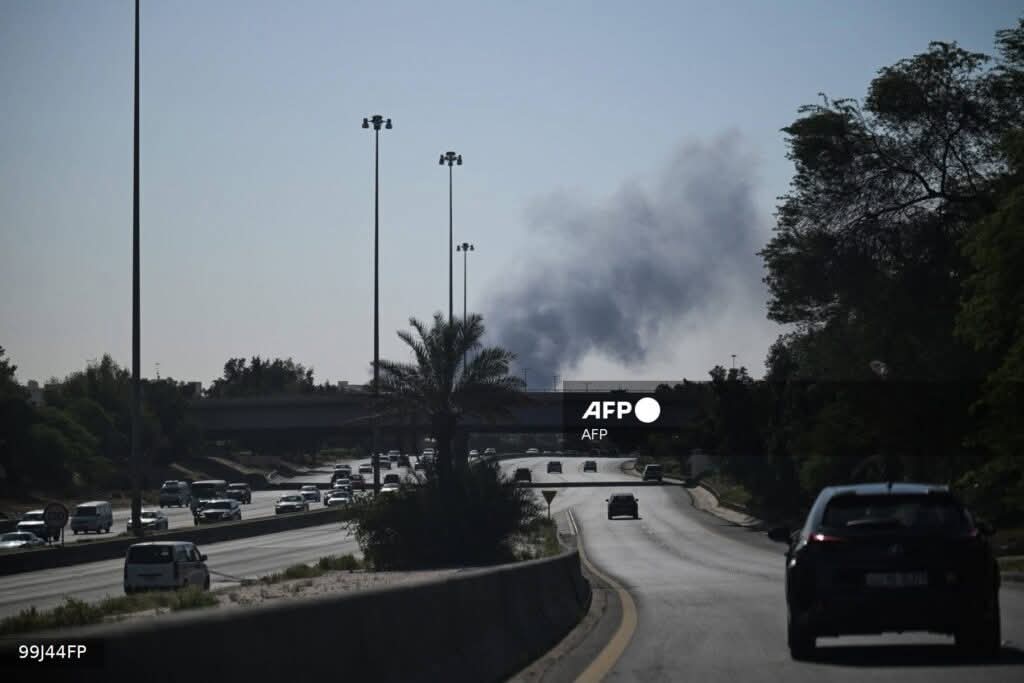
The rally comes in the wake of coordinated military strikes on Iran by the United States and Israel, an escalation that has unnerved traders and raised fears of prolonged disruption to crude supplies from the Middle East, a region that still anchors global oil flows.
Benchmark crudes rallied in tandem. Brent rose to $79.08 per barrel from $72.87, Murban advanced to $81.05 from $74.24, and US benchmark West Texas Intermediate climbed to $72.24 from $62. The gains reflect a rapid repricing of geopolitical risk as market participants assess the potential scale and duration of the conflict.
Prices began firming as reports emerged that Iran’s crude output, estimated at about three million barrels per day and heavily oriented toward China and other Asian buyers, had been disrupted. With Iran holding some of the world’s largest hydrocarbon reserves, alongside vast natural gas and mineral deposits, any sustained hit to its production reverberates far beyond the region.
For Nigeria, the price spike is a double-edged sword. At $80 per barrel, Bonny Light now trades $15.15 above the federal government’s 2026 budget benchmark of $64.85. The fiscal plan assumes production of 1.84 million barrels per day and an exchange rate of ₦1,400 to the dollar, suggesting that, on paper, higher prices could significantly bolster government revenues and ease budgetary pressures if output and exports are maintained.
Yet analysts warn that the same forces lifting Nigeria’s export earnings could squeeze consumers at home. Prolonged instability in the Middle East typically feeds into higher global prices for petrol, diesel and aviation fuel, raising the prospect of increased domestic pump prices and renewed inflationary pressure.
Complicating the outlook further, the OPEC+ alliance has moved to cautiously increase supply. Following a virtual meeting, eight key producers — Saudi Arabia, Russia, Iraq, the UAE, Kuwait, Kazakhstan, Algeria and Oman — agreed to begin unwinding 1.65 million barrels per day of voluntary cuts first introduced in 2023.
The group announced a production adjustment of 206,000 barrels per day from April 2026, stressing that the phased return of barrels would remain flexible and could be accelerated, paused or reversed depending on how the market responds to the Iran crisis and broader economic conditions.