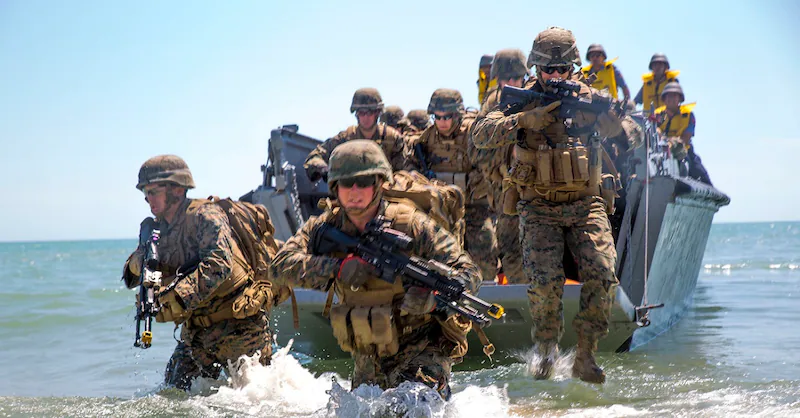
The United States military has ramped up its war on drugs, launching lethal strikes in the eastern Pacific Ocean that obliterated three vessels and left eight people dead. The operation, led by Joint Task Force Southern Spear under US Southern Command (SOUTHCOM), is being hailed by the Trump administration as a game-changer in the fight against international drug cartels.
SOUTHCOM claims the destroyed vessels were run by groups officially labeled as terrorist organizations. Intelligence sources say these ships were caught red-handed on notorious narco-trafficking routes, actively smuggling drugs. The green light for these high-stakes attacks came straight from Secretary of War Pete Hegseth, signaling the administration’s willingness to take the fight far beyond US borders,no matter the risks.
This is all part of “Operation Southern Spear,” a campaign that’s turning US narcotics policy on its head by treating drug cartels as military enemies, not just criminals. The death toll is already climbing, with at least 95 killed since the operation began. Just last week, four more suspected traffickers were taken out in a similar strike. The White House insists these actions are crucial to stopping the fentanyl crisis and other drug epidemics plaguing American communities.
But the operation is stirring up controversy. The administration has told Congress that the US is now in an “armed conflict” with drug cartels,a move that lets the military classify those killed as “unlawful combatants.” Thanks to a secret Justice Department ruling, this means the military can use deadly force without worrying about courts or due process. Critics, including some legal experts and Democratic lawmakers, are sounding the alarm about possible war crimes, especially after reports surfaced of “follow-up” attacks to make sure no one survived the initial strikes.
With the pressure mounting, Senate Minority Leader Chuck Schumer is demanding answers. He’s called for a special briefing with Secretary of State Marco Rubio and Secretary of War Pete Hegseth to address the legal and ethical fallout from this aggressive new strategy.
All of this is happening as the US steps up its campaign against Venezuela. Thousands of troops and a carrier strike group have been sent to the Caribbean, new sanctions are hitting shipping companies, and a sanctioned oil tanker was just seized off Venezuela’s coast. Officials say these tough measures are needed to break up the networks that fuel both drug trafficking and the finances of hostile regimes.