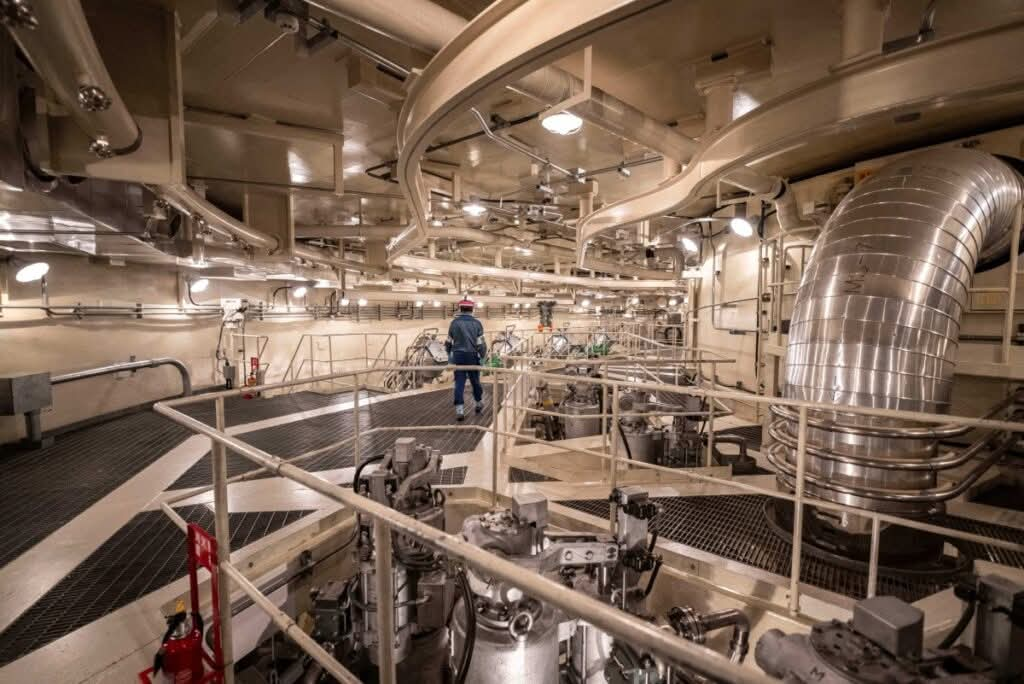
Japan has restarted one of the reactors at the Kashiwazaki-Kariwa nuclear power plant, marking the first operation of a TEPCO-run reactor since the 2011 Fukushima Daiichi disaster. The Tokyo Electric Power Company (TEPCO) brought the No. 6 unit back online on Wednesday after completing safety inspections and addressing a recent alarm system malfunction that briefly delayed the process. The Kashiwazaki-Kariwa facility, located in Niigata Prefecture on the Sea of Japan coast, is the world’s largest nuclear plant by capacity, with seven reactors capable of producing over 8 gigawatts of electricity when fully operational.
The restart reflects Japan’s broader effort to diversify its energy mix and reduce dependence on imported fossil fuels amid rising energy costs and demand. Reactor No. 6 alone is expected to eventually help supply power to more than one million households, with commercial operations anticipated by later this winter or early spring. This move follows lengthy regulatory reviews and local government consent processes that cleared the final hurdles for reactivation after more than a decade of shutdown.
However, the decision has reignited safety concerns among residents and critics, given TEPCO’s association with the Fukushima meltdown and the plant’s location in a quake-prone region. Some locals have protested and expressed unease about emergency preparedness and evacuation planning, even as the company and regulators underscore enhanced safety measures implemented since the 2011 disaster. The restart thus represents both a milestone in Japan’s nuclear energy policy and a test of public trust in atomic power’s role in the country’s energy future.