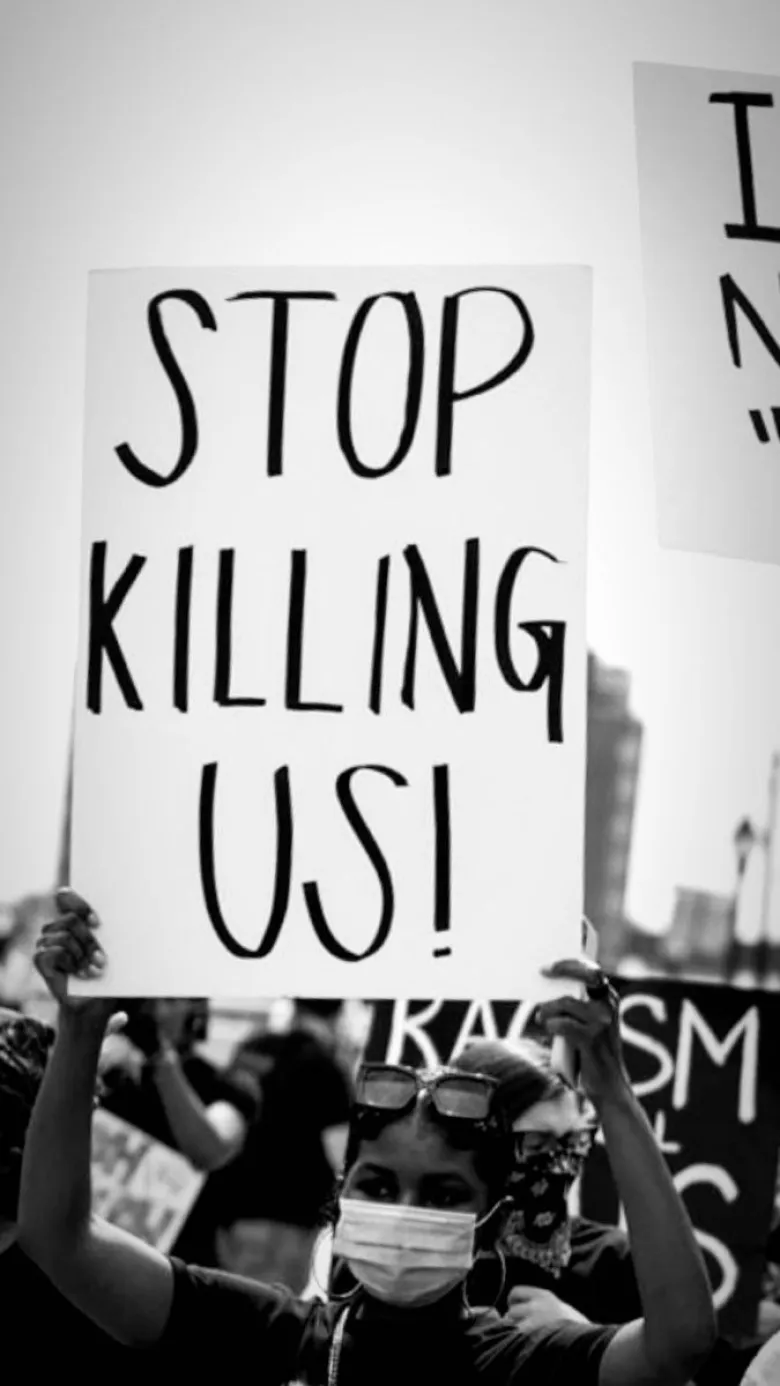
October 2020. Nigeria was alive with a restless energy, hearts pounding like war drums, voices echoing from street corners to social media feeds. A nation long accustomed to silence was finally finding its voice. The spark came in the form of a series of disturbing videos, grainy clips of young Nigerians being harassed, beaten, even killed by officers of the Special Anti-Robbery Squad, better known as SARS. For years, the name SARS had been synonymous with fear: unmarked vans, arbitrary stops, brutal interrogations, and extortion at gunpoint. But this time, something snapped. Enough was enough.
From Lagos to Abuja, Port Harcourt to Benin City, young Nigerians poured into the streets, their placards raised high, their chants raw with anger and hope. The air throbbed with determination, with the unshakable belief that this time would be different. It wasn’t just about ending SARS anymore; it was about demanding a Nigeria where people could breathe freely, unafraid of those sworn to protect them. They were tired of impunity, tired of injustice, tired of watching their country crumble under corruption and bad governance. So they gathered, strangers bound by a shared frustration, transforming highways, tollgate, and city squares into arenas of resistance.
There was a strange beauty in the chaos. Protest grounds turned into carnivals of solidarity: food stalls feeding strangers for free, medics tending to the injured, DJs blasting Afrobeat anthems that kept spirits high. Twitter, Instagram, and TikTok became megaphones, amplifying Nigerian voices until the world couldn’t look away. Hashtags became headlines, and international celebrities and governments tweeted their support. Donations from home and abroad fueled the movement, meals, legal aid, security, even ambulances all organized by young Nigerians who had mastered the art of digital mobilization. For a brief, dazzling moment, unity felt unstoppable.
Under mounting pressure, the government caved, at least on paper. President Muhammadu Buhari announced the disbandment of SARS. Cheers erupted in the streets and across timelines, a thunderclap of triumph that sent goosebumps racing down spines. But the protesters weren’t celebrating too hard. They had seen this play before, dissolve one unit, rename it, reshuffle the same officers, and carry on as usual. This time, they demanded more than promises. They wanted accountability, justice for the lives lost, and systemic reform to build a police force that served rather than terrorized its people.
The government responded with the creation of new police units and pledges of reform, but the energy of the streets had shifted. The #EndSARS movement had become something larger than itself: a generational awakening. It was proof that Nigerians, especially the youth would no longer be silenced or sidelined. They had tasted the power of collective action, and there was no going back.
Even in the face of brutal crackdowns, including the harrowing events of the Lekki Toll Gate, where peaceful protesters were met with gunfire, the movement refused to be erased. Names of the fallen became rallying cries, memorialized in chants, murals, and online tributes. Pain mixed with pride as the protests entered the global consciousness, forever branding #EndSARS as more than a hashtag. It became a symbol of resilience, a declaration that Nigerians were done tolerating abuse of power.
Though the protests eventually died down, their impact lingered. Conversations about police reform gained new urgency, and the idea of a Nigeria where the people hold leaders accountable no longer felt like a distant dream. The protests were messy, imperfect, and at times heartbreaking, but they were also proof that a generation once written off as apathetic had risen, fearless and united.
#EndSARS was not just a protest; it was a promise, a promise that Nigerians would no longer be silent, that they would fight for justice and dignity