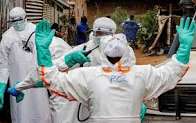
The World Health Organization has issued updated temporary recommendations to governments as the Ebola outbreak in the Democratic Republic of Congo continues to strain an already fragile health system. The agency now classifies the DRC as the only country at very high risk, with several neighbours, including Burundi and the Central African Republic, assessed as high risk because of porous borders, population movements and limited health infrastructure.
WHO’s revised guidance focuses on four main pillars: intensified disease surveillance, rapid case detection and investigation, strengthened prevention measures and deeper community engagement. Member states are urged to reinforce screening at key points of entry, improve laboratory capacity for swift confirmation of suspected cases and ensure that health workers are trained and equipped to manage Ebola safely.
Community engagement is at the centre of the new recommendations. Health authorities are encouraged to work with local leaders, religious figures and civil society groups to counter misinformation, build trust and promote early reporting of symptoms. Past Ebola emergencies have shown that resistance to response teams and fear of treatment centres can fuel transmission as much as gaps in clinical care.
WHO’s emergency committee has maintained that the outbreak constitutes a public health emergency of international concern, underscoring the need for sustained political commitment and funding. The organization has warned that the virus is spreading faster than in previous Congolese outbreaks, driven by insecurity, displacement and difficulties reaching remote communities.
Figures released by Congolese health authorities report 5514 confirmed cases and more than 2690 deaths, a case fatality rate of 47.9 percent. While new tools such as Ebola vaccines and experimental therapeutics have improved survival for patients who reach treatment early, many infections are still detected late or not at all.
Neighbouring countries are being advised to prepare isolation facilities, train rapid response teams and integrate Ebola readiness into broader health emergency plans. At the same time, WHO continues to discourage general travel and trade restrictions, arguing that targeted public health measures, rather than blanket bans, are more effective in controlling spread while limiting economic disruption.
Health officials stress that the trajectory of the outbreak will depend on how quickly the updated recommendations are implemented and whether communities feel they are partners, not bystanders, in the response.



