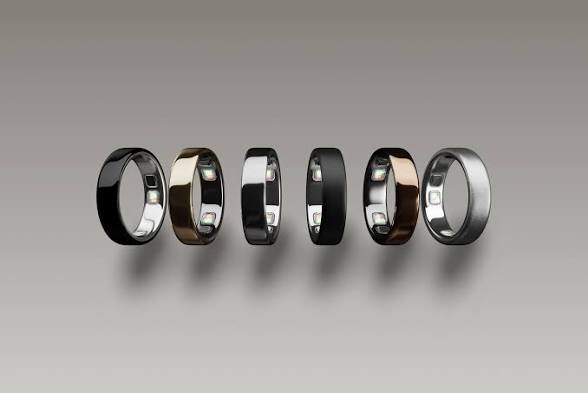
Smart ring maker Oura is facing a proposed class action lawsuit that accuses the company of misleading consumers about how accurately its devices track sleep and measure sleep stages.
The complaint, filed by Clarkson Law Firm in San Francisco, alleges that Oura’s rings cannot directly measure the physiological signals required to determine sleep quality or identify specific sleep stages. Instead, the suit claims, the devices rely on artificial intelligence–generated estimates that are said to have “a coin flip’s chance of being correct.”
According to the filing, Oura capitalized on growing consumer interest in sleep health by marketing its rings, which can cost $300 or more, as tools that could rival hospital-grade sleep studies. The lawsuit cites Oura’s promotional language suggesting the ring can detect the four stages of sleep and provide insights comparable to those from clinical sleep labs, which typically rely on scalp electrodes and eye sensors to monitor brain activity.
The plaintiffs argue that such capabilities are impossible to achieve from a sensor worn on a finger. “Sleep happens in the brain, not on one’s finger,” the complaint states, asserting that Oura’s hardware cannot directly observe the neurological processes that define sleep stages.
The lawsuit also points to Oura’s public claims about accuracy. Marketing materials have described the ring as “built for accuracy” and offering “unparalleled accuracy,” with the company at times citing 79 percent accuracy for its measurements and, more recently, 95 percent sleep-staging accuracy compared with clinical sleep labs. The complaint contends these figures are misleading and give consumers a false sense of scientific reliability.
Frustration over Oura’s sleep tracking has circulated online for years, with some users reporting that the ring rated their sleep as optimal despite them feeling exhausted, while others questioned whether the device could truly distinguish between different sleep cycles.
Ryan Clarkson, co-founder and managing partner at Clarkson Law Firm, said in a statement that inaccurate data can have real-world consequences when people rely on wearables to guide health decisions. He argued that users may change their routines, interpret their symptoms, or adjust their lifestyles based on numbers that do not reflect their actual sleep.
The lawsuit seeks to stop Oura from marketing its rings as having capabilities they allegedly cannot deliver, and requests injunctive relief and restitution for consumers who bought the devices based on the challenged claims.