It was a hot afternoon, and Rémi had just returned home after a stressful day, hoping to rest. She got home only to find her corner of the room scattered. She clearly remembered tidying it before leaving the house.
She looked toward the other side of the room, which belonged to her roommate, Dupe, and saw her lying carefree on the bed, vibing to music through her headset. She didn’t even notice when Rémi walked in.
Rémi walked up to her and said,
“Good afternoon, Dupe.”
“Oh, you’re back! Welcome,” Dupe replied casually.
Rémi looked around her space again.
“Why is my corner looking this unkempt? I remember arranging it before leaving the house. What happened?”
“I just wanted to clear up some things,” Dupe said. “Then I got tired and decided to rest before you came in.”
“I’ve told you before that I don’t like this,” Rémi replied calmly. “Please stop scattering my space. I seriously don’t like it.”
Suddenly, Dupe flared up.
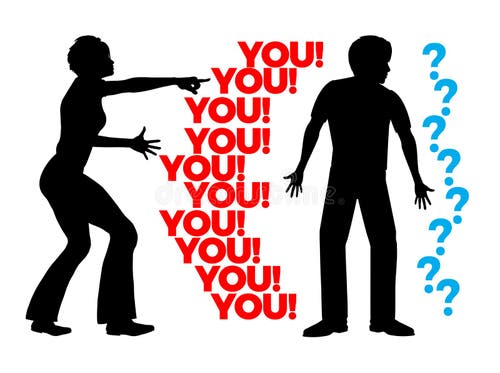
“Why are you even shouting? Is it because of the little things I dropped in your corner?” she snapped.
Rémi’s eyes widened in surprise.
“I know you’re neat and I’m the dirty one,” Dupe continued. “Is there any day you don’t insult me with your cleanliness? Fine, I’ll pack them up, but stop making me feel bad all the time. We all can’t be the same. Well, it’s not your fault…”
And then she started crying.
Rémi stood there in shock, not even knowing what to say anymore.
Sometimes, we come across people who always want to play the victim. They never want to take responsibility for their actions. Instead, they emotionally manipulate or gaslight you into believing that you are the problem, when in reality, they are the ones at fault.
Before you know it, you start questioning yourself and wondering what you did wrong, even when your feelings were valid from the beginning.
One thing you should learn is this: protect your peace.
Avoid people who constantly twist situations to make themselves look innocent while making you feel guilty for speaking up. Over time, people like that can drain you mentally, emotionally, and psychologically.
If you are in any relationship—friendship, family, or romantic—with someone who constantly plays the victim, learn to calmly tell them when they are wrong. Do not allow anyone to gaslight you into feeling bad for asking them to take responsibility for their actions.
If they change, that’s good.
If they don’t, sometimes leaving in peace is the healthiest thing you can do for yourself.
And if you are someone who constantly plays the victim, learn to change. Accountability is not an attack. One day, you may lose good people simply because you refused to admit when you were wrong.
11