The United States has unveiled a new round of sweeping sanctions on Iran’s oil sector, intensifying economic pressure as tensions mount over Tehran’s continued closure of the Strait of Hormuz, one of the world’s most critical energy chokepoints.
The US Department of the Treasury announced measures targeting more than two dozen individuals, companies and vessels tied to what officials describe as a sophisticated shipping and financial network linked to Iranian figure Mohammad Hossein Shamkhani. The network is accused of helping Tehran move sanctioned crude and generate hard currency despite previous restrictions.
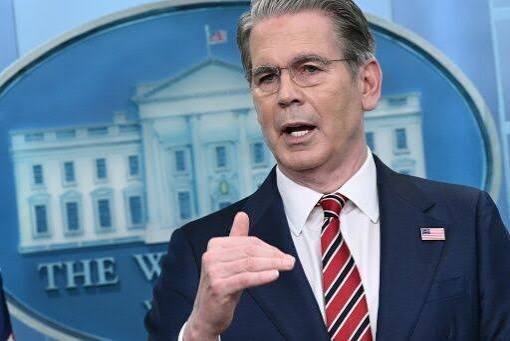
US Treasury Secretary Scott Bessent framed the move as part of a broader campaign to constrict the financial lifelines of Iran’s leadership. Treasury is moving aggressively with Economic Fury by targeting regime elites like the Shamkhani family that attempt to profit at the expense of the Iranian people, he said, signaling that Washington intends to keep tightening the screws on Iran’s energy exports.
The US State Department said the sanctions are designed to limit Iran’s ability to earn revenue while it continues to disrupt global energy flows. The United States is acting to decisively limit Iran’s ability to generate revenue as it attempts to hold the Strait of Hormuz hostage, the department said, underscoring concerns that the standoff could send shockwaves through global oil and gas markets.
Iran has effectively shut down the Strait of Hormuz, a narrow waterway through which a significant share of the world’s seaborne oil and liquefied natural gas passes. The move, described by Tehran as a response to ongoing conflict involving the US and Israel, has prompted Washington to impose a naval blockade on key Iranian ports, raising fears of direct confrontation.
US officials allege that the Shamkhani-linked network operates across Iran and the United Arab Emirates, using front companies, falsified documentation and ship-to-ship transfers to disguise the origin of Iranian crude and evade existing sanctions.
In a parallel action, the Treasury also sanctioned Seyed Naiemaei Badroddin Moosavi, identified by Washington as a financier for Hezbollah, along with three companies accused of participating in a money laundering scheme involving Iranian oil and Venezuelan gold.
The latest measures deepen Iran’s economic isolation at a moment of heightened geopolitical risk, adding fresh uncertainty to already fragile global energy markets and complicating diplomatic efforts to de-escalate tensions in the wider Middle East.