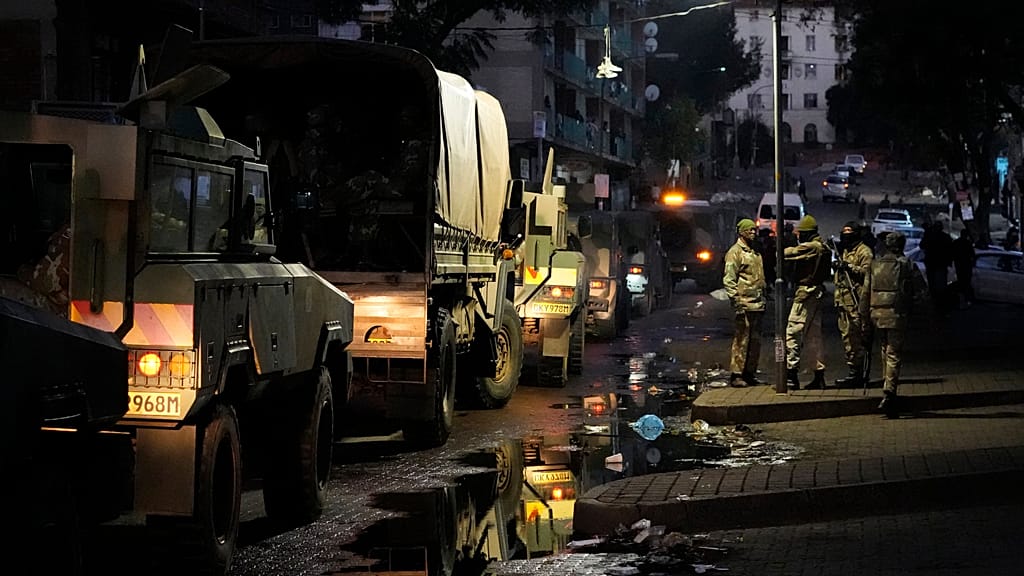
South Africa has deployed more than 3,000 soldiers across the country as authorities scramble to contain a wave of anti-migrant protests that has shaken major cities and townships and deepened fears of renewed xenophobic violence.
The deployment, authorised by President Cyril Ramaphosa, is intended to bolster an overstretched police force after a series of marches demanding a crackdown on undocumented migrants spilled into looting, street battles and mass arrests. The soldiers are patrolling key transport hubs, business districts and flashpoint neighbourhoods alongside police, with officials insisting their role is to support law enforcement rather than impose martial law.
Thousands of protesters have taken to the streets in recent days, mobilised by groups that accuse foreign nationals of taking jobs, running illegal businesses and straining public services. Organisers have vowed to stage demonstrations every week until the government tightens immigration enforcement and shuts down what they describe as “illegal” foreign-owned shops.
Police say more than 900 people have been arrested nationwide on charges ranging from immigration violations to public violence, robbery and possession of stolen goods. In several cities, marches degenerated into running clashes as crowds targeted informal traders and small businesses owned by migrants from elsewhere in Africa and South Asia. Witnesses reported shops being ransacked while some foreign residents fled their homes with only what they could carry.
The unrest follows months of simmering tension in poor communities where unemployment is high and basic services are unreliable. Migrant communities say they have faced escalating harassment, threats and sporadic attacks, forcing families to relocate or sleep in shifts for fear of night-time raids.
Rights groups and church leaders have condemned the protests as a dangerous escalation of anti-foreigner sentiment, warning that the rhetoric echoes previous waves of xenophobic violence that left scores dead and displaced thousands. They argue that migrants are being scapegoated for deep structural problems such as joblessness, corruption and failing local governance.
Government officials have promised firmer action against criminal networks and corrupt officials involved in document fraud, while also urging South Africans not to take the law into their own hands. Security analysts caution that the coming weeks will be critical: if weekly protests continue and the economy remains stagnant, the risk of broader unrest and targeted attacks on migrants will remain high despite the military’s presence on the streets.