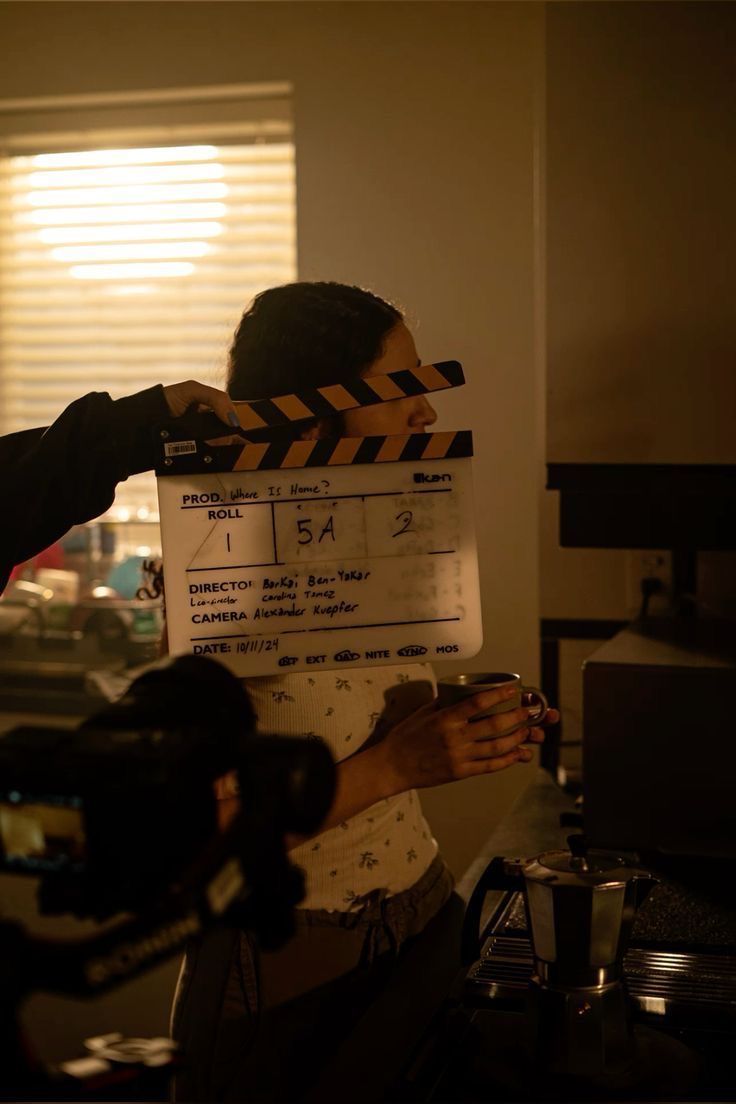
The morning the shoot began, I stood beside the camera cart, feeling that mix of nerves and excitement that only a film set can create. As the 1st Camera Assistant the 1st AC everyone called me I knew the day wasn’t just about capturing scenes. It was about making sure the entire camera department ran like a quiet, efficient machine.
I’d worked with the Director of Photography before, so when he walked in and nodded at me, it felt like a silent agreement: We’ve got this. My coursemates were already gathering around, familiar faces that made teamwork feel lighter and smoother. We understood each other’s rhythms, even without talking too much.
How I Intended to Carry Out My Role
Before the first slate clapped, I slipped into my routine the one I’d spent weeks practicing.
Every lens was cleaned until it looked like it could see through time. Batteries charged. Memory cards labeled. Camera checked, tested, rechecked. I moved between the gear and the crew, keeping everything organized, accessible, and ready before anyone needed to ask.
The DP threw me quick glances the kind of silent communication we’d built over our last project and I made sure nothing slowed him down. If he needed a lens, it appeared in his hand. If the camera operator had a concern, I had answers ready. My job was simple: make the technical invisible so the creative could shine.
And on set, staying calm is your superpower. Even when something didn’t go as planned a sudden battery drain, a loose cable, the usual chaos I stepped in quietly, focused, and quick. The less noise I made, the more smoothly everything flowed.
Foreseeable Challenges and How I Planned to Overcome Them
1. Equipment Management
Managing several pieces of equipment under pressure can feel like juggling knives. I knew this from day one. That’s why I relied on labeled cases, strict checklists, and the habit of putting everything back exactly where it came from. Disorder wasn’t an option.
2. Time Pressure
Film sets don’t wait for anyone not the sun, not the actors, and definitely not the AC. So I built a rhythm: batteries swapped in seconds, setups streamlined, data cards tracked like gold. That rhythm kept me ahead of the clock.
3. Communication Gaps
One unclear instruction can ruin an entire take. I made sure to repeat key directions, confirm lens choices, and maintain constant communication between the DP, camera operator, and the crew. It wasn’t just about talking it was about listening.
4. Technical or Environmental Issues
Wind, heat, dust, sudden malfunctions the set had its ways of testing us. I prepared backups for the gear, rain covers for the weather, and the mindset to troubleshoot fast. If something failed, I didn’t panic. I fixed it, or found a way around it.
By the time we wrapped that day, the DP patted my shoulder with a satisfied smirk. My coursemates were tired, laughing, stretching sore backs, but proud. And as I packed the last lens back into its case, I realized something:
Being a 1st AC isn’t just a role it’s a responsibility. One where every detail matters, every second counts, and every quiet action behind the scenes helps bring a story to life.