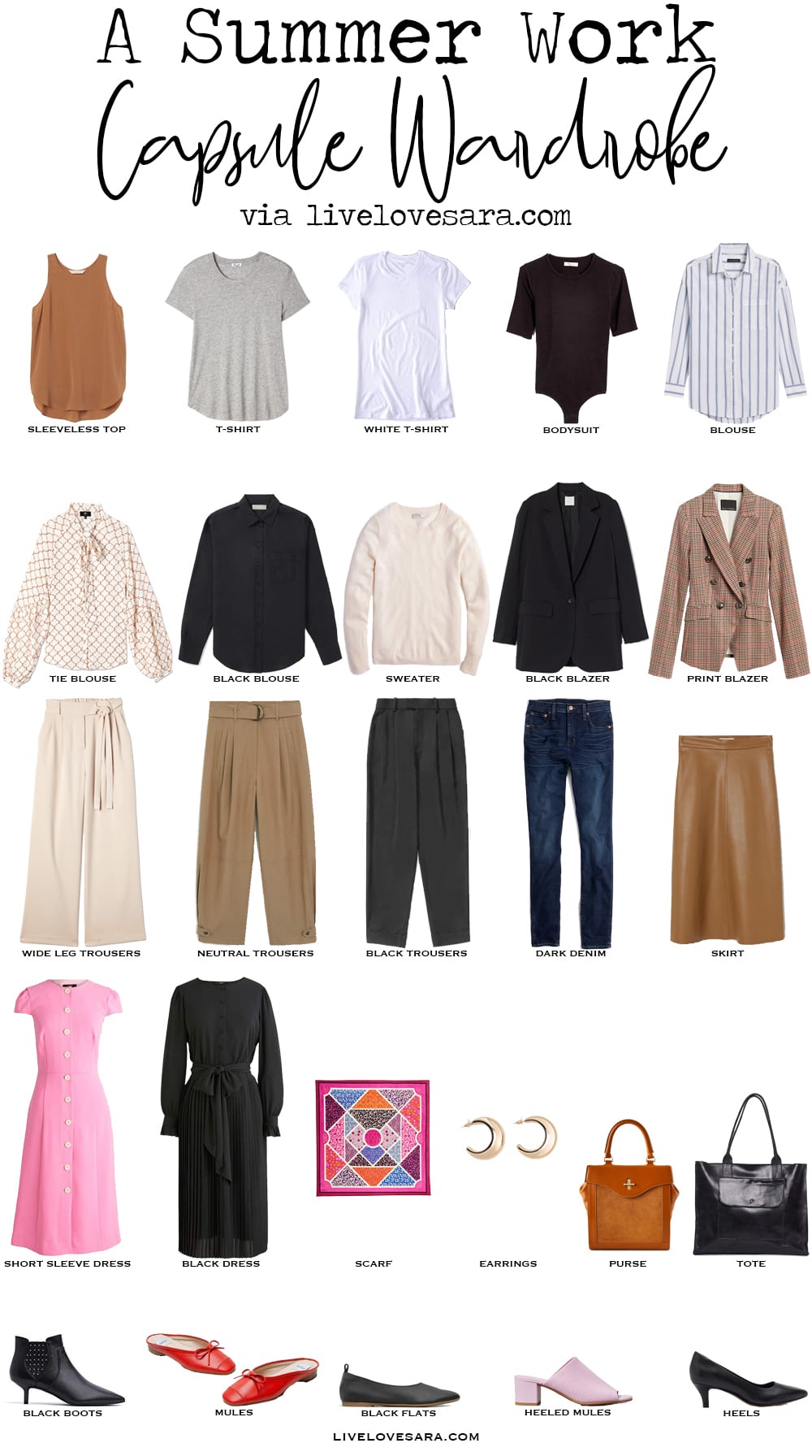
Relocating from a cold climate to a warm one can expose gaps in a work wardrobe. In this case, a move from New York City to Los Angeles revealed that a closet optimized for casual, warm-weather weekends did not translate effectively to an office environment with high outdoor temperatures and strong indoor air conditioning.
To address this, the author consulted multiple editors to identify repeatable patterns in what they considered effective summer office attire. The goal was to find clothing that maintains a polished appearance while managing heat and fluctuating indoor temperatures.
The first consistent recommendation was to prioritize elevated basics. These include breathable fabrics such as cotton in structured yet non-restrictive silhouettes. Examples cited were crisp white blouses, either sleeveless or with rolled cuffs, combined with pencil skirts that skim the body rather than fit tightly. The key variables are fabric breathability, comfort, and subtle design details such as asymmetric hems, defined shoulders, or discreet slits, which prevent the outfits from appearing generic while remaining office-appropriate.
A second theme was the strategic use of color. Several editors advised moving away from exclusively neutral outfits during summer. A frequently mentioned option was a saturated red used in coordinated sets, such as a tailored vest with wide-leg trousers or a fitted dress. The data point here is that a single strong color can create a cohesive, high-impact look with minimal reliance on accessories, thereby simplifying outfit planning.
For individuals who consistently wear blazers, the recommended adjustment focused on fabric weight and cut. Lightweight suiting materials and breathable blends were preferred, with relaxed, slightly boxy shapes to improve airflow and comfort. Vintage-inspired pinstripes were highlighted as a pattern that maintains a connection to traditional corporate attire while adding visual interest, thus balancing professionalism with individuality.
Another editor described a strategy of selecting one “signature” color for the season and using it repeatedly across different items. This color could be a neutral such as dove gray or navy, or a more niche fashion shade. The operational benefit of this approach is consistency: when the same color appears in multiple pieces (for example, a bag, trousers, or other separates), it creates a coherent visual identity and simplifies coordination across outfits.
Aggregating these inputs, the conclusion is that an effective summer office wardrobe does not require a large volume of clothing. Instead, it depends on a focused selection of breathable fabrics, precise tailoring that allows movement and airflow, and a limited number of deliberate style choices, such as a bold color or a recurring signature shade. This combination supports comfort in high temperatures while maintaining a professional, intentional appearance.