ByAnetoh Angel/300level Mass Communication UNILAG
Climate Change and Everyday Life in Coastal Cities
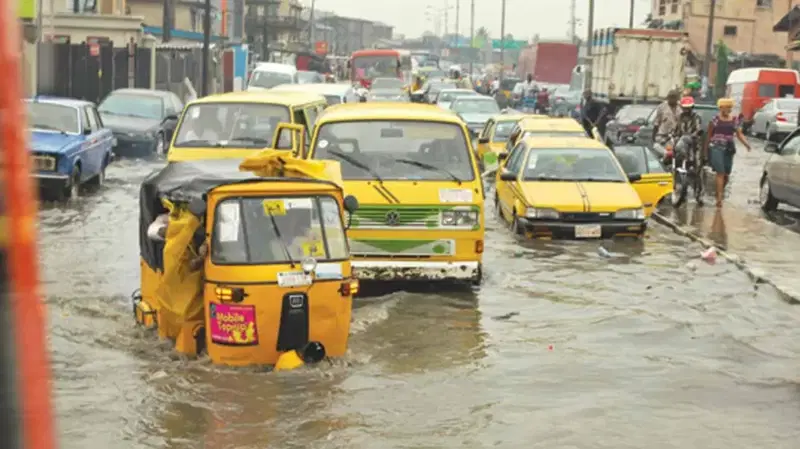
Sometimes climate change feels like something distant that only scientists or world leaders talk about, but living in a coastal city makes it easier to notice small changes over time. It might start with heavier rainfall than usual or roads that flood more quickly than they used to. People adjust without thinking too much about it, taking different routes or waiting for water levels to drop before moving around again. These small adjustments show how environmental changes slowly become part of everyday life.
Coastal cities have always depended on their location near water for trade, transportation, and economic growth. However, being close to the ocean also means being more vulnerable to rising sea levels and extreme weather. As global temperatures increase, oceans expand and ice continues to melt, causing water levels to rise gradually. This does not always create sudden disasters, but it changes how cities function over time. Drainage systems may struggle, shorelines may erode, and some neighborhoods may experience more frequent flooding.
For students and young people, these changes can be observed through simple daily experiences. Public transportation may be delayed after heavy rain, outdoor activities might be affected by unpredictable weather, and local news reports may focus more on flooding or environmental concerns. These moments help connect global discussions about climate change to real situations that people can relate to.
Looking at other coastal cities around the world helps provide context. Some places are investing in stronger infrastructure or redesigning urban spaces to handle rising water levels. Others continue to face challenges due to population growth and limited resources. The experiences of different cities show that climate change does not affect everyone in exactly the same way, but coastal areas often share similar pressures.
Understanding climate change through daily observation helps make the topic less abstract. Instead of only thinking about statistics or scientific reports, people begin to notice how environmental changes influence their routines and surroundings. Coastal cities become examples of how global environmental shifts can shape local realities, making climate change easier to understand through lived experience.