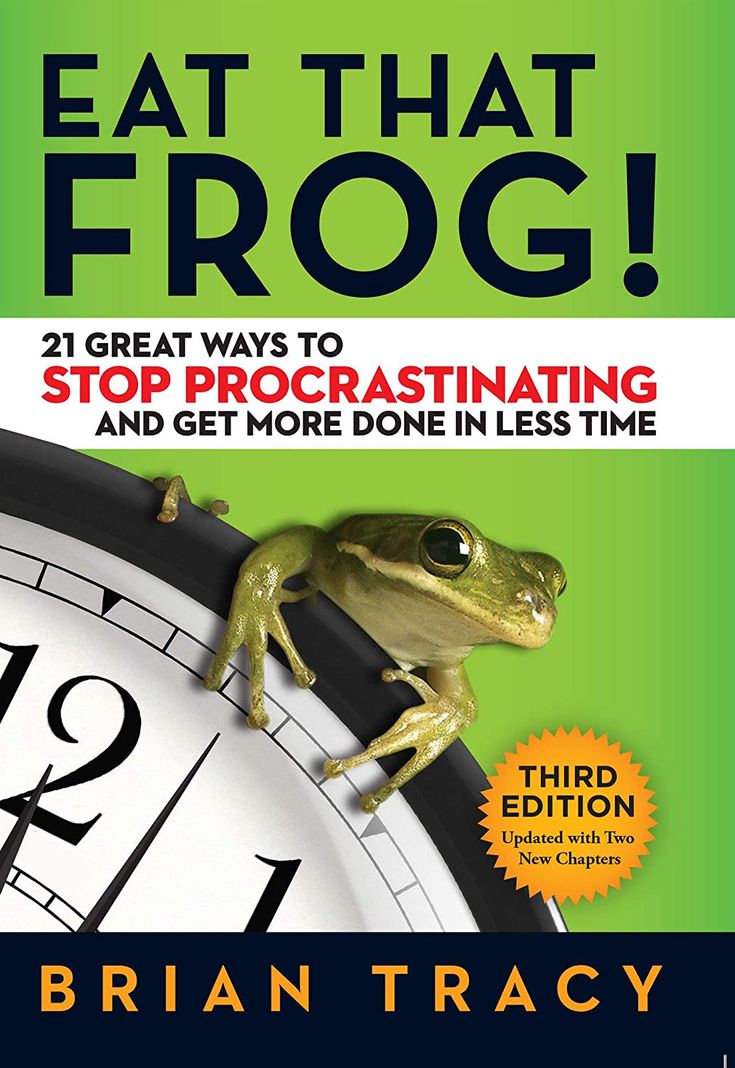
A Review of the Book Eat That Frog by Brian Tracy
Title of the book: Eat That Frog
Author: Brian Tracy
Publisher: Berrett-Koehler Publishers
Year of Publication: 2001
Number of Pages: 144 pages
Number of Chapters: 21 chapters
Price: About ₦6,000 – ₦8,000 (or $15)
Introduction
My assignment is a review of the book titled Eat That Frog! written by Brian Tracy. The book focuses on personal productivity, time management, and overcoming procrastination in both personal and professional life. Brian Tracy uses simple language and practical examples to explain how individuals can achieve more by focusing on their most important tasks first. The book is especially relevant in today’s fast-paced world where distractions often prevent people from reaching their goals.
Eat That Frog! is widely read by students, professionals, and entrepreneurs because it provides practical strategies for managing time effectively. The central idea of the book is that if a person starts each day by completing their most difficult or important task, they are more likely to be productive and successful.
Summary of the Book
The book is divided into twenty-one chapters, with each chapter presenting a specific principle for improving productivity and eliminating procrastination. Brian Tracy introduces the concept of the “frog” as the most challenging or important task a person must complete. According to the author, “eating the frog” means doing that task first before attending to less important activities.
In the early chapters, Tracy emphasizes the importance of setting clear goals. He explains that people who write down their goals and plan their activities are more likely to succeed. The author encourages readers to decide exactly what they want to achieve and create actionable steps toward those goals.
Another major theme in the book is prioritization. Tracy introduces the ABCDE method, where tasks are categorized based on importance. Tasks labeled “A” are the most important, while “E” tasks can be eliminated entirely. This method helps readers focus on tasks that truly matter rather than wasting time on unproductive activities.
The book also discusses discipline and focus. Brian Tracy explains that successful people develop the habit of self-discipline by consistently working on high-priority tasks. He advises readers to avoid distractions such as excessive phone use and unnecessary social interactions during work time.
In later chapters, the author highlights the importance of continuous learning and skill development. He argues that improving one’s skills increases productivity and confidence. Tracy also stresses the need for urgency, encouraging readers to work faster and smarter to achieve more in less time.
Evaluation of the Book
One of the major strengths of Eat That Frog! is its simplicity. The language used is easy to understand, making the book accessible to students and non-professionals. The short chapters make it convenient to read, and each chapter delivers a clear lesson that can be applied immediately.
The book is particularly useful for Mass Communication students who often juggle lectures, assignments, practical work, and deadlines. The strategies provided can help students manage their academic workload effectively and avoid last-minute pressure.
However, one limitation of the book is that some ideas are repetitive. Several chapters emphasize similar principles such as discipline, focus, and prioritization. Despite this, the repetition helps reinforce the main message of the book.
Overall, the book succeeds in motivating readers to take responsibility for how they use their time. Brian Tracy’s practical approach makes the book both inspiring and actionable.
Conclusion
In conclusion, Eat That Frog! by Brian Tracy is an insightful and practical book on time management and productivity. The book provides useful techniques for overcoming procrastination and achieving personal and academic goals. Its clear structure, simple language, and real-life applications make it suitable for students, professionals, and anyone seeking to improve their efficiency.
The book is highly recommended for Mass Communication students and individuals who struggle with time management. By applying the principles outlined in the book, readers can significantly improve their productivity and overall performance.