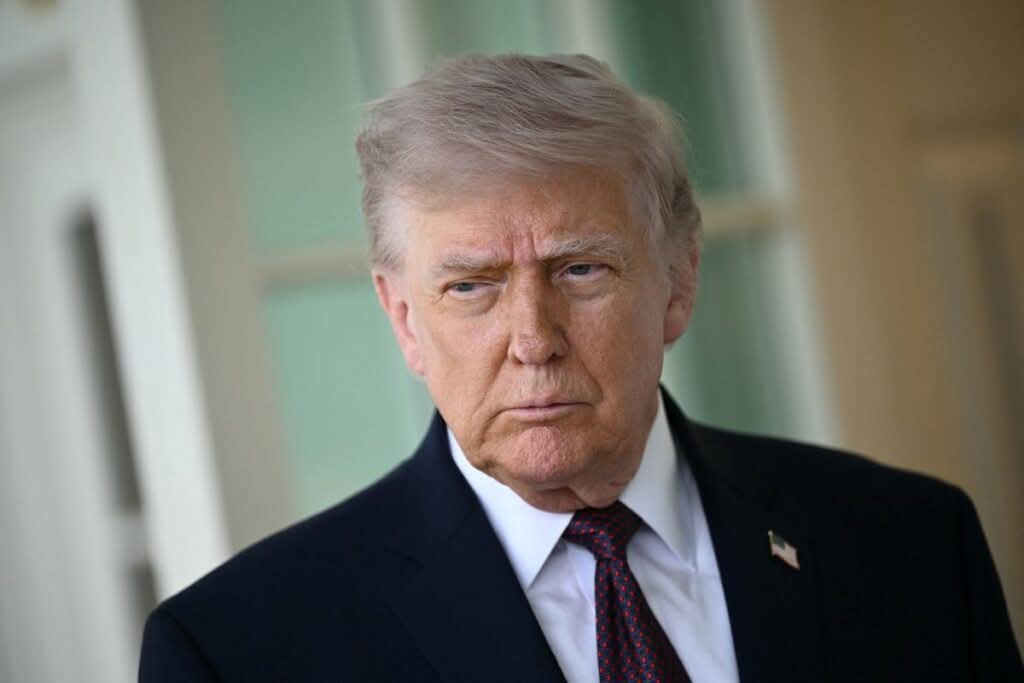
Business leaders, scholars and international officials are pinning cautious hopes on U.S. President Donald Trump’s upcoming state visit to China, seeing it as a rare chance to steady a relationship that underpins the global economy.
At the invitation of Chinese President Xi Jinping, Trump is scheduled for a multi-day state visit that will combine high-level talks, ceremonial events and meetings with business representatives. Diplomats on both sides describe the trip as an effort to “reset” a relationship strained by trade frictions, technology restrictions and competing security priorities.
The visit builds on a pattern of personal diplomacy between Xi and Trump. Since Trump’s return to the White House, the two leaders have held a series of phone calls to manage disputes and keep channels open on issues ranging from trade and investment to regional security and climate policy.
Analysts say the stakes are unusually high. The United States and China account for a large share of global output and trade, and tensions between them have rattled markets and unsettled allies. Many see the visit as a test of whether the two powers can place guardrails around their rivalry.
“The biggest trading partners in the world are China and the United States, and the fact is we can’t ignore that,” said John E. Drew, chairman of the World Trade Centers Association. He argued that a more predictable relationship would help both economies “bring some prosperity to the world, but also in particular to our countries.”
Anthony Moretti, a communications scholar at Robert Morris University, said the international community is looking for signs that Washington and Beijing can manage competition without sliding into open confrontation. “Anytime you get the U.S. president and the Chinese president together, it’s good news,” he said, adding that a successful visit could ease anxieties in other capitals.
Business leaders are pressing for practical outcomes, from clearer rules for investment to more stable agricultural and technology trade. Jim Sutter, head of the U.S. Soybean Export Council, said he senses “a real, sincere desire” on both sides to improve ties, arguing that “we are better together” despite inevitable differences.
Observers from the United Nations to think tanks in Europe and Africa say countries across the Global South will be watching closely. With China and the United States together accounting for a substantial share of global GDP, decisions made in Beijing during Trump’s visit are expected to reverberate far beyond the two capitals.