.jpeg?alt=media&token=f1f59143-e3c2-49dd-8cbf-c8dbda3a45ed)
FIFA has designated TikTok as its first preferred social video platform for a men’s World Cup, indicating a strategic shift toward short-form, creator-led video as a primary channel for tournament consumption and fan interaction.
The agreement applies to the expanded 48-team World Cup to be held across North America, with matches in 16 cities in the United States, Mexico and Canada. TikTok is being positioned as a complementary environment to traditional television and streaming, focused on fan engagement, creator content and rapid distribution of highlights.
Under the partnership, FIFA’s broadcast rights holders will be able to livestream selected portions of the tournament within a dedicated World Cup hub on TikTok. With more than 170 million users in the United States, TikTok will function as an additional viewing and interaction layer rather than a direct substitute for conventional broadcasts.
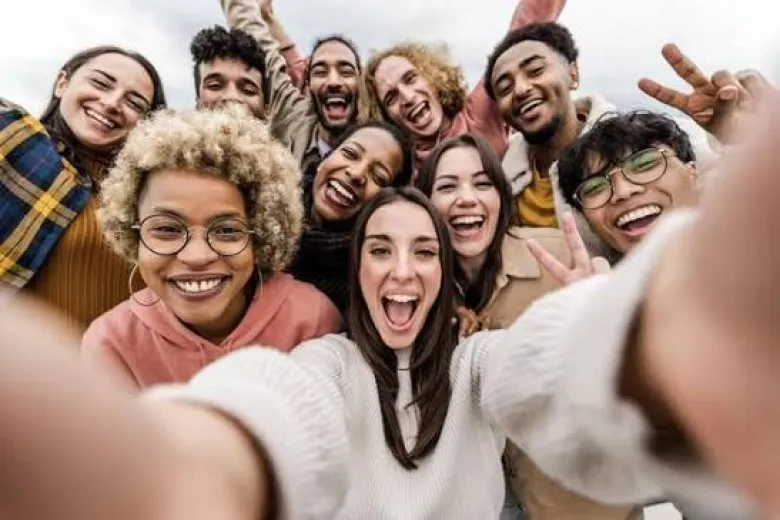
FIFA will also grant a broad group of TikTok creators access to parts of its World Cup video archive. These creators will be permitted to reuse and co-create content from historic tournament footage, combining legacy clips with current editing styles, trends and commentary. The objective is to reintroduce classic moments to younger demographics that primarily consume short-form, remixable content.
Financial details of the arrangement have not been disclosed. FIFA has not specified whether a competitive bidding process took place or which other platforms were considered. In the previous World Cup in Qatar, YouTube held a more limited sponsorship that included creator access, but the TikTok deal appears to involve deeper integration and broader rights.
Key operational parameters remain undefined, particularly regarding live content. World Cup commercial partners pay for exclusive rights, and FIFA has historically restricted live match footage. The organization has not yet clarified what types of live streams will be allowed on TikTok, how much in-game material can be shown, or how such streams will be coordinated with rights holders’ own services.
FIFA’s leadership is framing the partnership as a mechanism to extend engagement beyond the 90-minute match window. Planned content includes behind-the-scenes access such as locker rooms, training sessions, team arrivals, fan zones and other off-pitch elements that align with short, informal video formats.
The TikTok World Cup hub will serve as a centralized destination for this content ecosystem. It will aggregate official clips and creator videos and incorporate interactive tools such as stickers, augmented reality filters and gamified features designed to stimulate user participation, including fan-generated edits, reactions and commentary.
TikTok positions this strategy as a way to convert digital engagement into measurable outcomes for rights holders. The company cites internal data indicating that users who consume sports content on the platform are more likely to watch live matches. FIFA is effectively testing whether short-form content can act as a funnel toward full-length broadcasts and official streams.
The World Cup agreement extends TikTok’s existing presence in football. Its collaboration with Major League Soccer and Apple TV has included experimental formats such as dedicated cameras tracking individual players, notably Lionel Messi, with resulting feeds repurposed into short clips and behind-the-scenes segments. These experiments suggest a model in which specific athletes become continuous content anchors.
For FIFA, the move reflects a recognition of shifting media consumption patterns among younger audiences. While traditional broadcasters still deliver large World Cup viewership, a growing share of fans primarily experience major events through highlights, memes, creator analysis and second-screen usage.
The partnership takes place amid ongoing political and regulatory scrutiny of TikTok, particularly in the United States. Concerns focus on data security and the platform’s relationship with China-based parent company ByteDance, including the potential for foreign access to user data and content influence.
In response, ByteDance has agreed to form a U.S.-based joint venture with American investors including Oracle, Silver Lake and MGX. The restructuring is intended to place U.S. user data and certain operational controls under domestic oversight. The World Cup collaboration will unfold as this framework is implemented, increasing attention on how TikTok manages data and content around a high-profile global event.

.jpeg?alt=media&token=96b327a5-8e62-4ed1-a078-308aff149ed1)