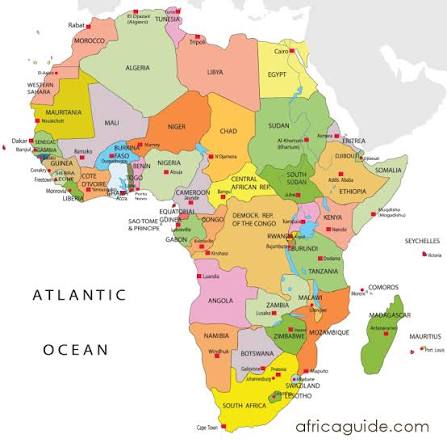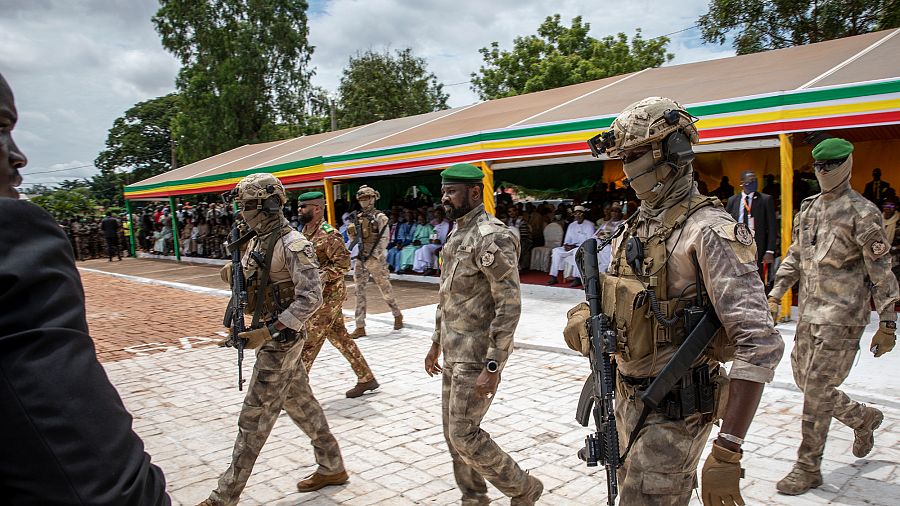
More than 100 suspected jihadists have been released from detention in Mali under a secretive deal aimed at ending a wave of attacks on fuel convoys that had choked supplies to the capital, Bamako, according to Malian officials and security sources.
The agreement follows months of pressure from the Al-Qaeda-linked Group for the Support of Islam and Muslims, known by its French acronym JNIM. Since September, the group has repeatedly ambushed tanker trucks on key highways, turning fuel deliveries into high-risk operations and triggering severe shortages at petrol stations across the city.
Residents in Bamako have endured long queues, rationing and soaring black-market prices as convoys struggled to reach the capital. The disruption has rippled through the economy, affecting transport, electricity generation and basic services in a country already battered by conflict and political instability.
A local elected official from central Mali said community intermediaries helped broker the deal, which hinges on the “opening of a corridor” for fuel convoys in exchange for the liberation of “more than 100 jihadists” held in various detention facilities. Several security sources said the truce is expected to last at least until the Muslim festival of Eid al-Adha, known locally as Tabaski.
Among those freed are members of the Fulani community, a pastoralist ethnic group that has often found itself caught between jihadist factions, self-defence militias and state forces. Rights groups have long warned that indiscriminate arrests and abuses against Fulani civilians risk driving more recruits into the arms of armed groups.
The Malian authorities have not publicly detailed the terms of the agreement, nor the identities or profiles of those released. Analysts say the move underscores the government’s limited control over large swathes of territory and its growing reliance on local arrangements to keep vital routes open.
Mali has been mired in conflict since 2012, when a separatist rebellion in the north was quickly overtaken by jihadist insurgents. Despite international interventions and repeated military campaigns, Al-Qaeda and Islamic State affiliates, along with criminal networks, continue to operate across the country’s vast desert and scrublands.
While the latest deal may ease immediate fuel shortages, security experts warn it could also strengthen armed groups and set a precedent for further concessions, highlighting the stark trade-offs facing authorities in a protracted and evolving conflict.