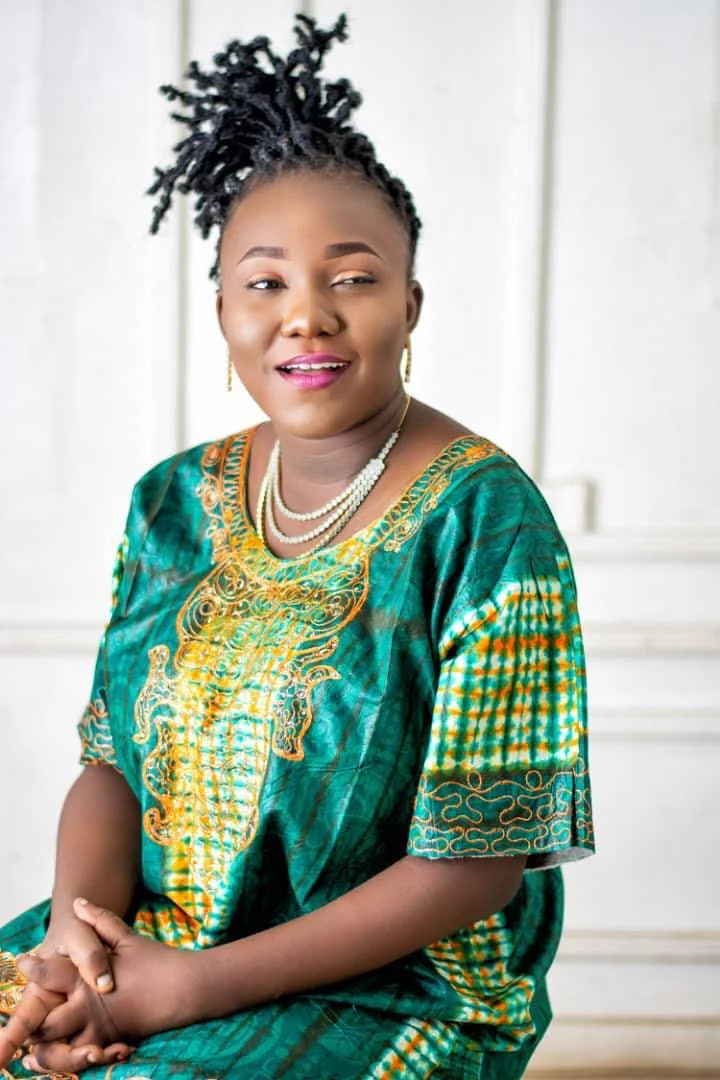
When Ogunsua-Dixon Tijesuni walked into the University of Lagos as a freshman in Mass Communication, she carried more than a white cane and a backpack. She carried the story of a girl who stared down a brain tumour, lost her sight and still rose to the top of a national examination for persons with disabilities.
Her journey began at 11, in Junior Secondary School 2, when persistent migraines and a weakening left arm led to a devastating diagnosis. A brain scan revealed a tumour. In shock, she insisted nothing was wrong, telling her doctor and mother she was not “mad,” even as her body betrayed her. Sports, once her refuge, slipped away. The former basketball captain who also played football and badminton suddenly found herself stumbling, dragging her leg and watching her self-esteem crumble.
Her parents, determined to keep her in school, delayed surgery so she could finish secondary education. By Senior Secondary School 3, her vision began to fade. She struggled through her WAEC examinations, forcing herself to read questions she could barely see. She sat the Unified Tertiary Matriculation Examination and scored 225, securing admission to study Law at the University of Ibadan.
Then her body gave way. Shortly after the exam, she collapsed at home. Doctors warned the tumour had been left too long. In January 2018, at 16, she underwent brain surgery. By then, her sight had deteriorated severely. Three years of rehabilitation in Ibadan followed, then intensive training at the Blind Centre in Oshodi, Lagos, where she learned mobility skills, independent living and later took courses in hospitality and broadcasting.
Refusing to let blindness end her academic dreams, she returned to the classroom. She rewrote WAEC, sat JAMB again and, in the 2025 admission cycle, scored 288 in the UTME. With an aggregate of 81.2 per cent, she emerged the country’s best matriculating candidate in the Joint Admissions and Matriculation Board Equal Opportunity Group category for persons with disabilities.
Now a 100-level student, she praises UNILAG’s ramps, supportive lecturers and classmates, and credits JAMB’s Equal Opportunity Group for accessible exam arrangements using laptops, Braille slates and typewriters. Honoured at the Rite Foods National Academic Excellence Awards, she describes the recognition as a shock and a validation of years of pain and persistence.
Doctors say there is a chance she could regain her sight, but the technology is unavailable in Nigeria. Until then, Tijesuni is focused on telling stories, advocating for better welfare and employment structures for persons with disabilities and proving, with every step on campus, that blindness and brilliance can walk side by side.