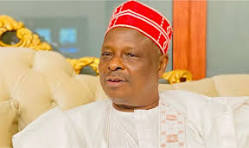
In Nigeria's contemporary history, the tenure of Alh. Rabiu Musa Kwankwaso as the Governor of Kano State is marked by significant political and social developments. Among them, the issue of insecurity has emerged as a prominent and distressing narrative that warrants reflection and analysis.
Kwankwaso's recent pronouncement calling for an immediate investigation into the escalating insecurity in Nigeria epitomizes the growing urgency surrounding the crisis that has beset the nation. His remarks, disseminated through his verified social media account, came in the wake of a harrowing incident involving the abduction of 25 schoolgirls from the Government Girls Comprehensive Secondary School in Maga, Kebbi State. This act of violence, characterized by armed assailants arriving on motorcycles and engaging with security forces, underscores the alarming trend of mass kidnappings that have instilled fear and despair among various communities.
In the broader context, Kwankwaso condemned the tragic killing of Brigadier General Musa Uba in Borno State,a development he described as a “dark mark” against the efforts of Nigeria's military in its ongoing counter-terrorism endeavors. His call for a thorough investigation into the failures of security and intelligence reflects a critical analysis of the systemic weaknesses that have allowed such egregious acts to transpire.
Kwankwaso’s reflections on the mass kidnappings in Zamfara State reveal a deeply troubling narrative that resonates with the collective consciousness of a nation grappling with insecurity. He characterized the situation as “truly heartbreaking,” a sentiment that echoes the emotional turmoil experienced by families and communities affected by such violence. His appeals to authorities for swift action to rescue victims reveal a broader societal expectation for a proactive governmental response.
The governor's observations extend to the recent banditry incidents in the Kano State localities of Shanono and Tsanyawa, where he noted the urgent need for governmental intervention. While he commended local initiatives, such as the donation of vehicles to security agencies, Kwankwaso insisted that these measures are but a fraction of what is required to counteract the escalating tide of violence. His narrative highlights the interconnectedness of local and national responses to a multifaceted crisis.
In his statements, Kwankwaso lamented the repeated violence in affected areas, citing specific instances of loss of life and abduction that have further exacerbated the prevailing atmosphere of fear. His assertion that these incidents are not isolated events but indicative of deeper systemic failures offers a critical lens through which to evaluate the effectiveness of Nigeria's existing security frameworks.
Kwankwaso's calls for a revitalization of the armed forces and empowerment of the Nigeria Police Force encapsulate a prevailing sentiment among citizens regarding their right to safety and security. His insistence on prioritizing the welfare of Nigerians underscores a collective yearning for governmental accountability and effective governance in addressing the pervasive challenges of insecurity.
As Nigeria continues to navigate these complex security challenges, it becomes increasingly evident that Kwankwaso's appeals reflect a broader societal demand for decisive action. The tragic events surrounding the abduction of schoolgirls and the loss of life in violent attacks serve as stark reminders of the urgent need for comprehensive strategies to restore safety and confidence within communities. In this ongoing narrative of insecurity, the historical implications of such crises will inevitably shape the future trajectory of Nigeria.