In a country where most domestic work is still arranged through word of mouth and unrecorded cash payments, Bengaluru-based Pronto is attempting a structural reset. The startup is pulling India’s vast, informal house-help economy onto a digital platform, while investors race to back its rapid growth.
Pronto has raised a $25 million Series B round led by Epiq Capital, lifting the company’s valuation to about $100 million. That marks an eightfold jump from when it emerged from stealth less than a year ago and more than doubles its valuation from just a few months earlier. Existing backers Glade Brook Capital, General Catalyst, and Bain Capital Ventures joined the latest round, taking total funding to roughly $40 million.
The company’s pitch is simple but disruptive: structured, on-demand domestic help for everyday chores such as sweeping, mopping, and utensil cleaning, delivered by trained and background-verified workers. In several dense urban micromarkets, Pronto says it can dispatch a worker in about 10 minutes, positioning itself closer to quick-commerce delivery timelines than traditional home-services marketplaces.
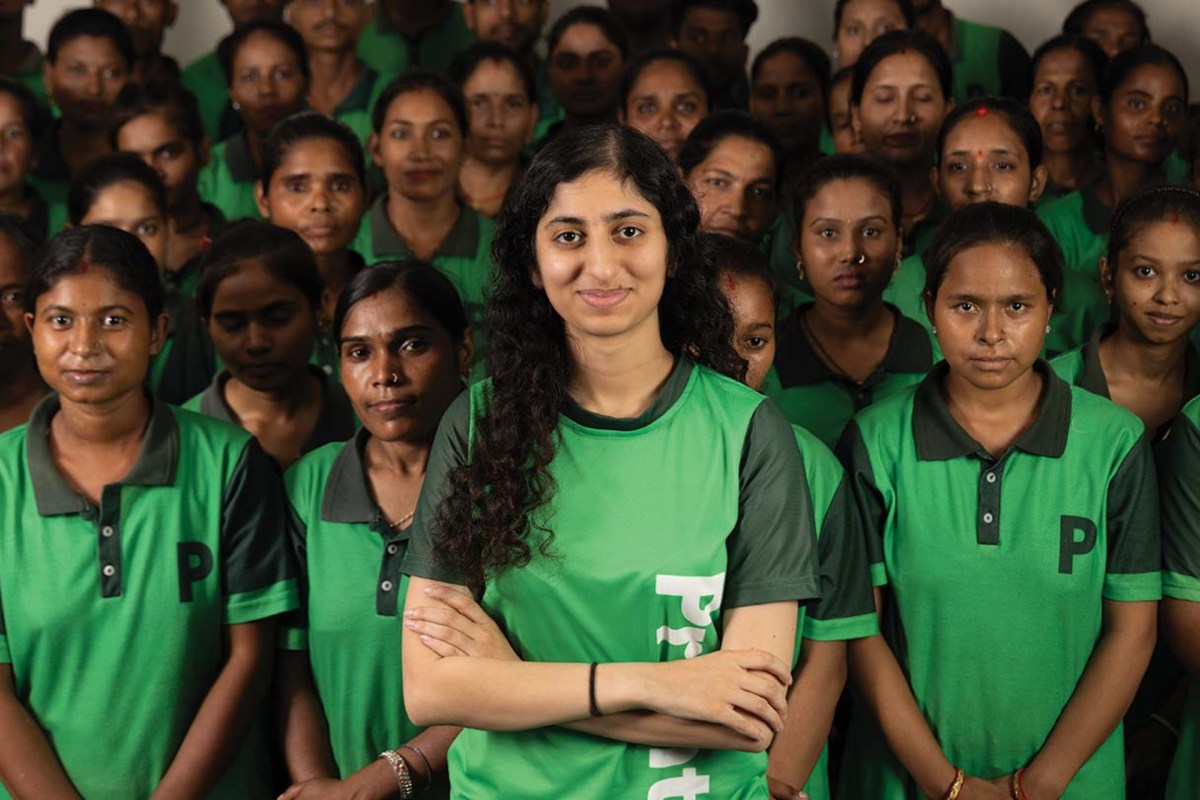
Each worker, branded a “Pro,” is put through in-person training and verification, then assigned fixed shifts rather than ad hoc visits. The model aims to replace the uncertainty of informal arrangements with predictable income and standardized service. Pronto currently works with about 4,500 active professionals, around 99% of them women. Those completing roughly 20 days of shifts a month earn a median ₹23,000 to ₹25,000, and monthly worker retention is above 70%.
Demand is surging. Daily bookings have climbed to around 18,000 from roughly 1,000 a year earlier, with the company targeting 70,000 bookings a day in the coming months. The National Capital Region accounts for about half of all orders, even as Pronto has expanded from a single city to 10 and from five to more than 150 micromarkets.
The opportunity is enormous. Market research from Redseer Strategy Consultants values India’s home-services sector at well over ₹5,000 billion, yet online penetration remains below 1% of transaction value. Tens of millions of households still rely on offline domestic workers, while fewer than 100,000 people a day use digital platforms for such services.
Pronto is competing with players like Urban Company and Snabbit, but founder Anjali Sardana argues that the real contest is not just for customers, but for trust. In a segment long defined by informality, she is betting that reliability, speed, and better working conditions can turn house help into a formal, tech-enabled service at national scale.