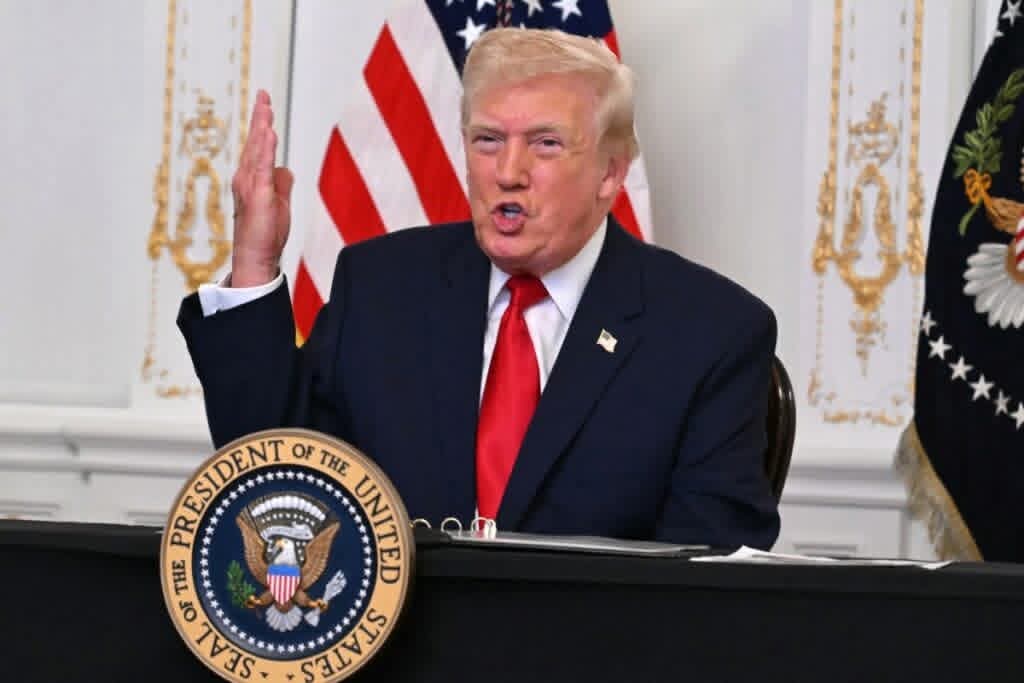
Iran has vowed “crushing, broader, and more destructive” attacks on the United States and Israel after US President Donald Trump threatened to bomb the Islamic Republic “back to the Stone Ages” in a televised address from the White House.
The confrontation, which began with coordinated US-Israeli strikes on Iranian targets and rapidly escalated into open warfare, has now engulfed much of the Middle East. The conflict has disrupted vital energy routes, rattled global markets and fuelled a sense of uncertainty from the Gulf to the Himalayas.
Within hours of Trump’s speech, Iran launched missiles toward Tel Aviv, triggering Israel’s air defences and sending residents scrambling for shelter. Authorities reported several impact sites and at least four people lightly injured in the metropolitan area as Jewish Israelis attempted to celebrate Passover, some in underground bunkers.
From Tehran, the powerful Khatam al-Anbiya military command issued a stark warning on state television, promising that the war would continue “until your humiliation, disgrace, permanent and certain regret, and surrender.” Pro-government crowds turned out in the capital for the funeral of a Revolutionary Guards naval commander killed in an earlier Israeli strike, vowing to “resist until the end.”
Trump, speaking for 19 minutes flanked by American flags, insisted the US was “very close” to achieving its objectives but threatened to intensify attacks if Iran refused to negotiate. He said Washington had “our eyes on key targets, including the country’s electric generating plants,” and suggested talks might be possible with what he called Iran’s “less radical and much more reasonable” new leadership.
Tehran has rejected those overtures. Foreign ministry spokesman Esmaeil Baqaei said messages had arrived through intermediaries, including Pakistan, but stressed there would be no direct talks with Washington and dismissed US demands as “maximalist and irrational.”
The war has spilled across borders. Hezbollah has stepped up rocket and drone attacks on northern Israel from Lebanon, where authorities say more than 1,300 people have been killed in Israeli strikes. Gulf states once seen as relative havens, including the United Arab Emirates, have activated air defences against missile and drone threats.
With Iran’s Revolutionary Guards threatening to keep the Strait of Hormuz closed to “enemies” and Trump making its reopening a condition for any ceasefire, the standoff over one of the world’s most critical oil chokepoints has become a central driver of surging prices and market volatility worldwide.