.jpeg?alt=media&token=62666a2d-4f4e-48ba-85fc-56045e2c3fb7)
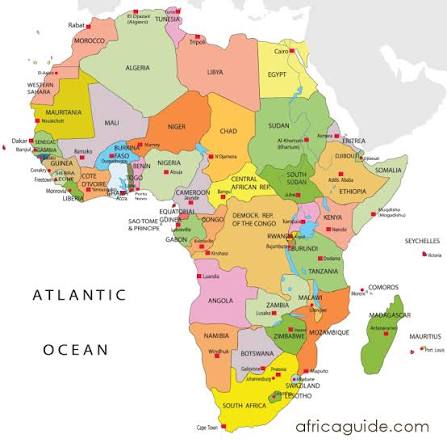
Burkina Faso’s military authorities have ordered the dissolution of more than 200 associations, deepening an already sweeping crackdown on civil society in the conflict‑torn Sahel nation.
According to an official decree, 205 locally based groups have been suspended. The targeted organisations work across a broad spectrum of public life, including health care, education, women’s rights, agriculture, environmental protection, culture and sport. Their activities are now frozen, with the government stating that, during the suspension period, only steps aimed at bringing the associations into compliance with national law will be permitted.
The move marks a new phase in the junta’s efforts to consolidate power since it seized control in a 2022 coup, ousting the previous civilian-led government amid mounting anger over jihadist violence. Since then, the authorities have progressively restricted political opposition, trade unions, independent media and non-governmental organisations, arguing that tighter control is necessary to safeguard national security and public order.
Rights advocates say the latest decree fits into a broader pattern. Earlier this year, the military government banned several hundred associations, many of them focused on human rights monitoring and legal support for victims of abuses. International watchdogs have documented arrests, intimidation and expulsions targeting activists, journalists and foreign aid workers.
A key turning point came when junta leader Captain Ibrahim Traoré approved legislation sharply curbing the operations of rights groups and professional syndicates. The law grants authorities wide discretion to suspend or dissolve organisations deemed to threaten “state security” or “public morals,” terms critics describe as vague and easily abused.
International NGOs and charities that rely on foreign funding have been singled out in official rhetoric. The junta frequently accuses them of acting as fronts for foreign intelligence services or of colluding with jihadist insurgents who control large swathes of the countryside. Humanitarian agencies counter that such claims are unfounded and that restrictions are hampering efforts to deliver aid to millions of civilians displaced or impoverished by the conflict.
Human Rights Watch and other groups warn that dismantling independent associations will further erode accountability at a time when security forces and allied militias face mounting allegations of extrajudicial killings and enforced disappearances. They argue that, by silencing civic actors, the junta is closing off peaceful channels for dissent and debate, leaving an already fragile society with fewer tools to navigate war, displacement and deepening economic hardship.