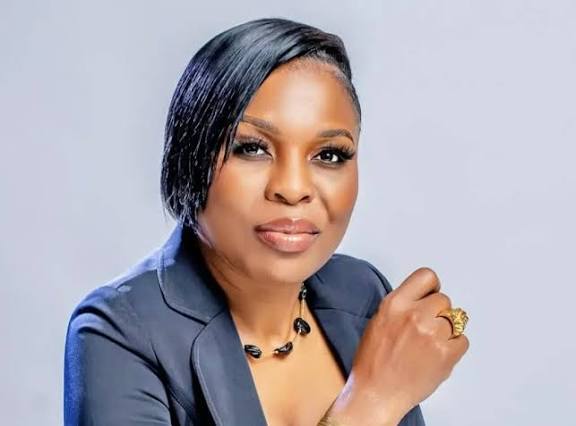
Ogun State-born activist and social commentator, Detoun Onajobi, has escalated her face-off with Governor Dapo Abiodun, accusing the state’s chief executive of weaponising law enforcement and cybercrime legislation to silence criticism rather than address governance failures.
The confrontation follows a move by the Ogun State Police Command to file a six-count charge against her before the High Court in Abeokuta, alleging cyberbullying, dissemination of false information, and defamation of the governor through social media posts.
The case stems from a viral video in which Onajobi, reacting to a fatal road accident in Ogun State that claimed the lives of two friends of British-Nigerian boxer Anthony Joshua, lambasted the state government over what she described as a complete breakdown of emergency response and basic infrastructure. In that video, she accused the government of failing to provide functional ambulances and emergency services, and she launched a blistering personal attack on Governor Abiodun, questioning his priorities and moral compass.
Her comments triggered outrage in some quarters and support in others, but they also drew the attention of security agencies. The Ogun State Police Command later announced that it had invited her for questioning over alleged cyberbullying and false claims. According to the police, Onajobi failed to honour the invitation, instead submitting a medical report claiming she was unwell. The command further alleged that the medical report was fake and that the doctor who issued it had been arrested.
Onajobi, however, insists she is not a fugitive and has not been evading law enforcement. In a lengthy response posted on her Instagram page, she said she received the police invitation and formally replied that she would be available on January 27. She expressed shock that, despite this, the police publicly accused her of avoiding them and rushed to file charges in court.
She rejected the label of cyberbully, arguing that her statements were rooted in the lived reality of Ogun residents who, she says, have endured years of neglect, poor infrastructure, and unresponsive leadership. For her, the issue is not personal animosity but accountability.
“I am speaking for my people,” she declared in her video response, stressing that Ogun is her home state and that she has every right to demand better governance. She accused Governor Abiodun of spending more time at social events than addressing the state’s pressing challenges, contrasting his style with that of Lagos State Governor Babajide Sanwo-Olu’s team, whom she praised for being more responsive to public complaints.
Onajobi’s rhetoric is fiery and confrontational. She questioned what she described as the governor’s lack of compassion and tangible legacy after several years in office, painting a picture of a state “looking anyhow” under his watch. She insisted that her criticism is not politically motivated but driven by frustration with what she sees as years of being ignored by those in power.
“Dapo, I have brought you so low to where you are supposed to be,” she said, accusing the governor of disregarding citizens’ voices until forced to listen. She framed the unfolding legal battle as a test of whether public officials can use state power to intimidate critics into silence.
Central to her argument is the claim that Nigerian public officials increasingly hide behind the Cybercrime Act to clamp down on dissent. Human rights groups and civil society organisations have, in recent years, raised similar concerns, warning that the law is being used not only to tackle genuine cybercrime but also to prosecute journalists, activists, and ordinary citizens who criticise those in authority online.
Onajobi echoed this fear, alleging that the charges against her are less about truth or falsehood and more about sending a message to others who might dare to speak out. She insisted that as a sitting governor, Abiodun is accountable to the people and should expect to be questioned, confronted, and followed by citizens demanding explanations for his actions and policies.
In her video, she directly addressed the governor’s reported vow to ensure she is jailed. “You said you will make sure you send me to prison? You do not know the person who is standing in front of you,” she said, vowing that she would not be subdued or silenced. She claimed that previous attempts by those in power to lock her up had failed and predicted that any similar effort by Abiodun would also collapse.
“You cannot lock me up in any prison, stop gloating,” she warned, framing the confrontation as a personal and political battle. She challenged the governor to prove that her allegations were false, saying she was ready to defend her claims and present evidence if given a fair hearing.
Onajobi also took aim at what she described as the governor’s lifestyle, accusing him of travelling abroad for parties while the state grapples with insecurity, poor roads, and inadequate public services. She cited a trip to France for a social event as an example of misplaced priorities, arguing that such behaviour underscores her broader point about disconnection from the suffering of ordinary citizens.
Her language was unsparing, accusing the governor of lacking “home training” and abusing power in his quest for political advancement, including reported ambitions to move to the Senate. She questioned how someone she accuses of failing to protect and defend his current constituents could seek higher office.
The unfolding saga has sparked debate about the boundaries of free speech, the responsibilities of public officials, and the role of law enforcement in a democracy. Supporters of the governor argue that criticism must not cross into defamation, character assassination, or the spread of falsehoods that could incite unrest. They maintain that public office holders also have a right to seek legal redress when they believe they have been maliciously maligned.
On the other hand, many activists and commentators see the case as part of a broader pattern in which state institutions are deployed to intimidate outspoken citizens. They argue that in a country where formal channels of accountability are often weak, social media has become a crucial platform for exposing failures and demanding change, and that criminalising harsh criticism risks chilling public discourse.
For now, Onajobi appears determined to stand her ground. She insists she will honour the police invitation and face the charges, but she frames the courtroom as just one arena in a larger struggle over who controls the narrative of governance in Ogun State: those in power, or those who live with the consequences of their decisions.
“This battle is for me and you, bring it on,” she told the governor, insisting that whatever sustains her is “bigger” than him and beyond his control. Whether her defiance will translate into legal vindication or a conviction under cybercrime and related statutes remains to be seen, but the case has already become a flashpoint in the ongoing contest between authority and accountability in Nigeria’s digital age.