Standing beneath the towering dome of the US Capitol, there's pressure in the air. Washington, DC is tense, weighed down by the longest government shutdown in American history. The days drag on past the previous 35-day record, while President Trump’s accusations of “kamikaze” Democrats echo through every conversation. The city feels caught between anger and exhaustion.
Beyond the politics, the human impact is devastating. Millions of Americans are now stuck in uncertainty, many depending on welfare programs for food and basic care. Each day without resolution threatens to push more families toward hunger as grocery assistance becomes uncertain. What once felt like a distant policy debate now feels painfully real.
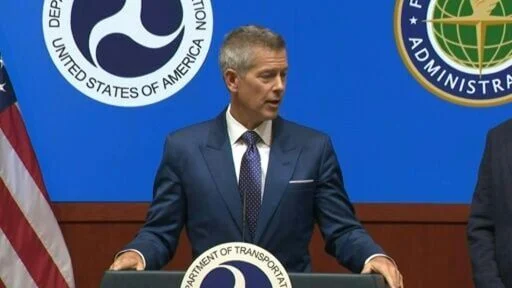
The shutdown’s effects have reached the skies as well. Federal officials have announced a 10% cut in flight capacity across 40 major air-traffic locations, citing severe staffing shortages. Transportation Secretary Sean Duffy’s announcement lands heavily as airport workers struggle, some working without pay, others calling in sick. Delays, confusion, and fear remind us of the chaos from the last shutdown.
More than 1.4 million federal workers now face an uncertain future—air traffic controllers, park rangers, and so many others left unpaid or furloughed. Lawmakers remain locked in battle over health-care funding, while threats of mass layoffs and cuts to food aid for millions linger. Even as officials promise partial support, doubts remain. Standing here, I’m left wondering how a nation can function when its people are bargaining chips, and what price we pay when politics overshadows humanity.