When I first started thinking about the issue of pay in football, my argument was simple: women footballers deserve better pay.
They play the same sport. They train, compete, travel, sacrifice and represent their clubs and countries just like their male counterparts. So why is there such a huge difference between what men and women earn?
But the more I thought about the subject, the more I realised that football is bigger than athletic talent, passion or love for the game,"football is also a business".And once we look at football from that perspective, the conversation becomes much more complicated.
Men’s football has spent decades building a massive commercial ecosystem around broadcasting, sponsorship, ticket sales, merchandise and global audiences. The men’s game has historically attracted larger audiences and generated significantly more revenue, which means clubs and investors are often willing to spend more money on players because they expect greater financial returns.That does not necessarily mean that male footballers are more talented than female footballers,it means that the market surrounding the men’s game is much bigger.
The difference, therefore, cannot simply be reduced to athletic ability. Economics plays a major role.If a club spends millions on a player, it is often doing so with the expectation that the player will help generate revenue through performances, trophies, commercial deals, broadcasting interest, shirt sales and increased audiences.
The women’s game is still developing that same commercial infrastructure,and this is where one of the biggest challenges lies.
INVESTMENT NEEDS AN AUDIENCE
Women's football has experienced remarkable growth in recent years. More people are watching games. Stadium attendances are increasing. Media coverage is expanding. Competitions are becoming more visible, and more young girls are seeing professional female footballers as people they can aspire to become.But growth does not automatically mean profitability.
Broadcasters and investors are businesses. They put money into competitions because they expect that investment to generate returns.There have been instances in which broadcasters have struggled to make sufficient returns from women’s football and subsequently reduced their investment. This creates a difficult cycle: less investment can mean less promotion and visibility, which can lead to smaller audiences, which then makes it harder to attract bigger investments.
So the question becomes: how do you grow a sport when commercial returns have not yet caught up with the ambition?
There is no simple answer:
FANS MATTER MORE THAN WE THINK
This is also where fans have an important role to play.It is easy to say that women’s football deserves more attention, better salaries and greater investment. But investment follows demand;
How many people actively follow women’s football?
How many regularly watch women's matches?
How many buy tickets, jerseys or merchandise?
How many share women's football content online?
These questions matter.
And honestly, the answer is changing.The growth of women's football over the past few years has been massive. More fans are showing up at stadiums, more matches are being broadcast, and more people are discussing the women's game online.But there is still a long way to go.
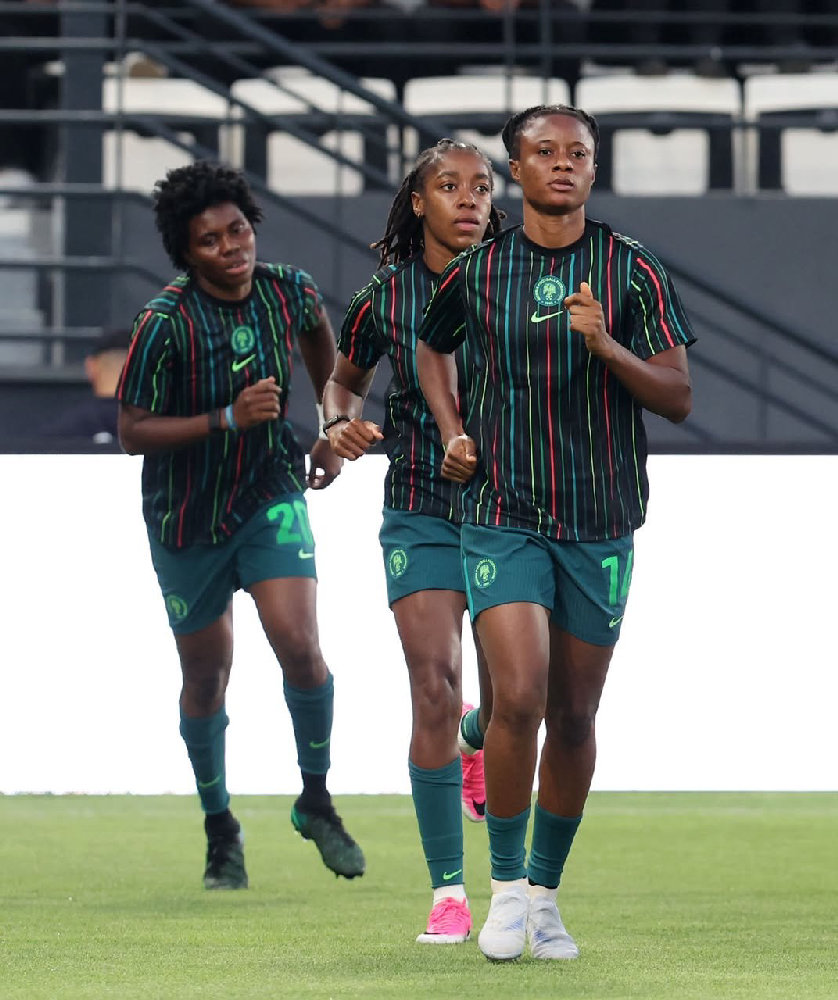
In many places, including Nigeria and other parts of Africa, the support system surrounding women's football is still developing. Even during major competitions such as the Women's Africa Cup of Nations, stadium attendance and overall public engagement can sometimes fall short of what the women's game deserves.
That does not mean there is no support.It means the support has not yet reached the scale necessary to transform the economics of the game.
1