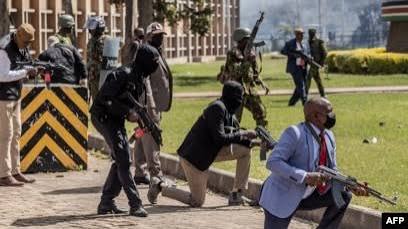
Kenya’s government has announced a landmark plan to compensate nearly 2,000 people who suffered human rights abuses during years of violent protests, in what officials describe as a national step toward healing and accountability.
President William Ruto said the state will release about 15 million dollars to victims and families affected by protest-related killings, injuries and destruction of property. The payments will follow a vetting process led by the Kenya National Commission on Human Rights, a state-funded but independent body tasked with verifying claims and documenting abuses.
The reparations stem from a long history of confrontations between security forces and demonstrators in the East African nation, where protests over taxes, elections and public services have frequently turned deadly. Rights groups have repeatedly accused police of using excessive force, including live ammunition, while authorities have blamed criminal elements for looting and vandalism that often accompany the unrest.
Among the incidents cited in the new Reparations Framework Report are annual anti-government protests against tax hikes, in which dozens were killed and hundreds injured, as well as demonstrations that spiraled into clashes around an Ebola quarantine center for American personnel, leaving several people dead and many more wounded.
Ruto framed the payouts as a moral and political acknowledgment rather than a legal admission of wrongdoing by the state. He said the money “is not the price of life, of pain or of loss” and should not be interpreted as a reward for violence or criminality, but as recognition that citizens suffered harm during events in which the state bears responsibility for protection.
Human rights advocates say the move is significant because it offers redress outside the slow and often inaccessible court system, where many victims lack the resources to pursue justice. The framework is also seen as a test of whether Kenya can confront its record of protest violence without waiting for international pressure or tribunal rulings.
Claris Ogangah, chairperson of the Kenya National Commission on Human Rights, said the report and the payments are intended to restore dignity to people whose suffering has long been ignored. She noted that each case represents a family and a community “whose suffering has often remained unseen and unacknowledged,” and argued that public recognition is as important as the financial award.
Officials say the first tranche of compensation will go to those most severely affected, including families of people killed and survivors left with permanent disabilities, with further phases expected as more cases are verified.