History as a subject was removed from the Nigerian primary and junior secondary curriculum around 2007,and it was fully taken out of the basic curriculum in 2009/2010.The subject was officially reintroduced back to the Nigerian curriculum during the 2019/2020 academic sessions. Which means that a decade had passed before history was introduced back to the Nigerian official curriculum which also means that a total of 9 full school sessions had passed without history being in the curriculum in schools all over Nigeria.
This presents us to the fact that there is a large of Nigerians who don’t know their own history.
I remember vividly when I was in JSS3 and we were told we will have to write history in our junior WAEC (which was just a few months away) and our school tried to create a class for it where me and many others of my set didn’t much pay attention to,(I myself didn’t even write the exam).
I had the opportunity to do the subject in my SS1-SS3 academic sessions and during those year it clicked to me that a lot of things that affect Nigerians views on things can be traced back to the lack of knowledge in our own history which I think as crippled US and our development as a country.
With All these backgrounds in mind, What actually is History?
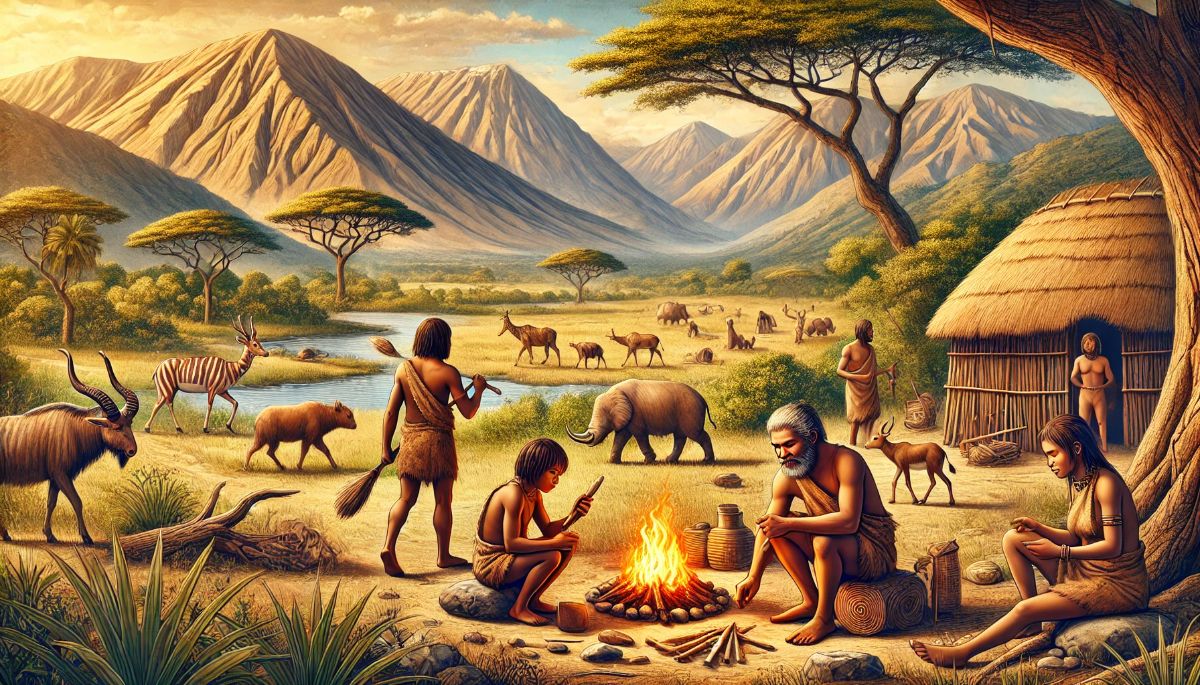
‘History is the academic study and record of past events, people, and societies, and how they shape the present and future.
With the definition of history in mind, we can see how its absence from the curriculum for nearly a decade has had deep implications(in a lot of Nigerians views and identity). There is a common misconception that History is just about memorizing dates or kings and queens, to have that understanding of history is shallow and surface level.
History is about understanding why societies are the way they are ,how past decisions shape our current realities, and how we can learn from previous successes and failures.
The harm caused by removing History has produced a whole generation of Nigerians who have no knowledge of their past. Which in turn has created gaps in the understanding of our culture, government, and current events. For example:
The Act Demonizing our culture: A lot of Nigerians believe their culture and traditional practices are ‘of the devil’ not to say that some of these practices weren’t arcane.But still that doesn’t translate to the belief that our artworks,festivals,music and ceremonies are demonic.And that people who take part or embrace some of these things are also ‘Of the devil’,These things that we condemn tell the story and resilience of our ancestors and instead of hating them,we should Marvel at the things they were able to do with so little technology. These cultural elements are part of our identity and heritage.And by demonizing them we do a great disservice to those that came before us.
Current Political climate: The current political climate of Nigeria was always destined to end up the way it was as a result of the 1884/1885 Berlin Conference (popularly known as the partition of Africa),this conference was attended by 14 countries with no African country in attendance.By splitting Africa up into artificial boarders with out considering the different tribes in Africa that possessed individual and unique cultures,customs,laws and practices and forcing them into a unification has done this continent a great disservice that still affects us till this day.Nigeria alone possesses 250 ethnic groups each with its own language,music,art and beliefs .Now my readers I want you to imagine what it’s like to put 250 people from different backgrounds in a room together with some of them having fought each and tell me if there wouldn’t be conflict or exploitation of smaller personalities by bigger personalities and because history was removed from Nigerian schools for nearly a decade, many citizens don’t understand how these colonial decisions have created the tribalism and political tensions we see today.
Views on Gender Roles: Many Nigerians don’t know the effects of colonialism on what we deem as the ‘gender roles’ of Nigeria .This has lead to many Nigerians believing that men being leaders and women being caretakers has always been ‘Natural’ in some cultures.Historically many Nigerian societies recognized women in leadership role e.g Yoruba women were allow to keep their maiden name(family name) after marriage this practice emphasized lineage and ancestry and allowed women’s identity to remain connected to their family.A lot of Nigerian cultures had Matriarchs as the head of the family with a lot of females having taken the role of leaders and even warriors in their culture e.g Queen Amina,Queen idia and Moremi Ajasoro. Not knowing this history reinforces stereotypes, limits opportunities for both genders and prevents society from valuing the contributions of both men and women equally.
Gentrification of Nigerian Names: It refers to the tendency for Nigerians to abandon their traditional names for modern/western names.I recently went through my school’s yearbook and I noticed that a large number of the kids in Daycare,Kindergarten and Pre-school now possess English names. Are traditional names not good enough again? Or do we so desperately want to be WHITE that we abandoned our traditional names that have spiritual and deep cultural meanings for some generic western name.These names often carry blessings,prayers or stories of our heritage and ancestry.The lack of historical education has brought a loss of value in something as personal as a name just shows how disconnected we’ve become from our culture and identity.
I’m happy that the subject is back to the Nigerian curriculum but it still doesn’t erase the thousands of Nigerians who don’t know a lick about their History.