The Role of Packaging Waste in Nigeria's Urban Flooding Problem
Nigeria faces serious flooding problems every year, especially in cities like Lagos, Port Harcourt, Ibadan, and Abuja. When heavy rains come, many streets get flooded and people's homes and businesses get damaged. While most people think flooding is caused by climate change or poor drainage systems, there is another problem that people don't talk about enough—packaging waste. The plastic bottles, nylon bags, food containers, and other packaging materials that Nigerians throw away every day are actually making flooding worse in our cities.
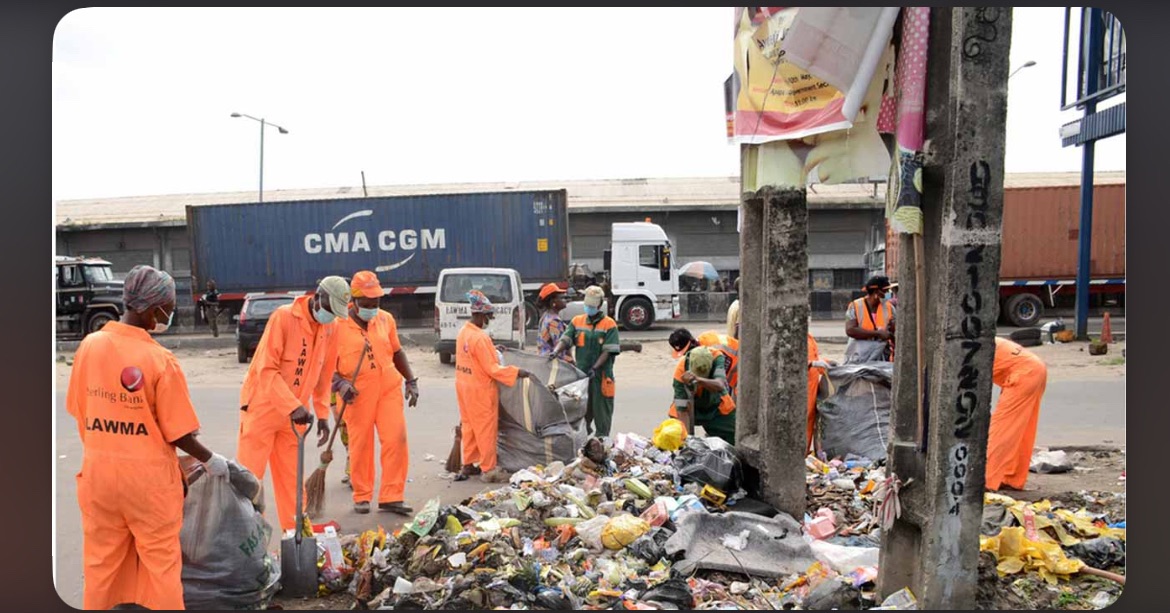
Packaging waste is everywhere in Nigerian cities. Every day, millions of Nigerians buy things wrapped in plastic—pure water sachets, soft drinks in plastic bottles, food in takeaway packs, and snacks in nylon. After using these items, many people just throw the packaging on the ground or into gutters because there are not enough waste bins around. Even when there are bins, the waste collection system is not working properly in many areas.
When all this packaging waste enters the drainage system, it blocks the water from flowing properly. The gutters and canals that are supposed to carry rainwater away get filled with plastic bottles, sachets, and other rubbish. So when heavy rain falls, the water has nowhere to go and it overflows onto the streets and into people's houses. This is why even small amounts of rain can cause flooding in some Nigerian cities.
Pure water sachets are one of the biggest problems. Nigerians drink millions of these sachets every day because they are cheap and convenient. But after drinking, people throw the empty sachets anywhere—on roads, in gutters, in markets, everywhere. These lightweight sachets easily get blown into drains by wind or washed there by rain. Some people call them "pure water pollution" because of how much environmental damage they cause.
The problem is not just about individuals throwing waste carelessly. Many Nigerian cities don't have proper waste management infrastructure. There are not enough waste collectors, recycling facilities, or disposal sites. Also, there is not much enforcement of environmental laws. People who litter are rarely punished, so the behavior continues.
However, packaging waste can actually be recycled and turned into new products. Some Nigerians are already doing this—collecting plastic bottles and selling them to recycling companies. If Nigeria had a strong recycling industry, packaging waste could become an economic opportunity instead of an environmental problem.
To solve this problem, several things must happen. First, the government needs to invest more in waste management infrastructure. Second, there should be stronger enforcement of anti-littering laws. Third, Nigeria needs to develop its recycling industry so that packaging waste can be collected and reused instead of ending up in drains. Companies should also invest in sustainable packaging that breaks down faster in the environment.
Education is also very important. Many Nigerians don't fully understand how their waste disposal habits contribute to flooding. Schools, religious organizations, and the media should teach people about proper waste disposal. Individuals also need to take responsibility by disposing of waste properly instead of throwing it in gutters.
In conclusion, packaging waste is a hidden but significant factor in Nigeria's urban flooding problem. Solving this requires action from government, businesses, and individuals. With better waste management, stronger enforcement, and public education, Nigeria can reduce the impact of packaging waste on flooding and create cleaner, safer cities.
By Ilechukwu kamsi Giovani.