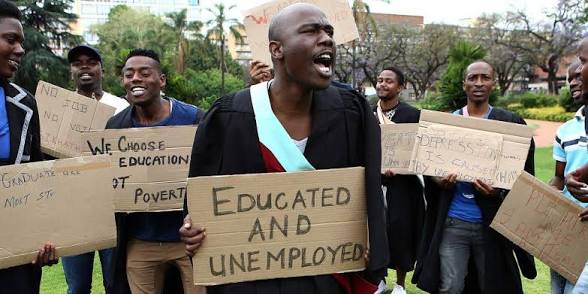
Youth unemployment in Nigeria is still a big problem because many young people cannot find jobs after finishing school or training, and many graduates stay at home without work or take jobs that do not pay well and do not match their skills. This makes young people worried and unsure about their future. The government under President Bola Tinubu has tried to help by starting programs to create jobs and support young people. One major program is the Renewed Hope Labour Employment and Empowerment Programme (LEEP), which aims to create about 2.5 million jobs over the next few years by training people, helping them get skills, and encouraging entrepreneurship. � The government also signed agreements between ministries to support job creation and work with private companies to make sure more youths get opportunities. �
leep.gov.ng +1
Thisdaylive
Even with these efforts, many young Nigerians still find it hard to get stable jobs. Some people say the programs are useful because they offer training, skill development, and new ways to find work. Others, especially students and job seekers, say they have not yet seen strong results, and many still cannot find long‑term employment. Some young people are trying their own businesses, freelancing online, or joining small enterprises, but this is still hard because starting costs are high and support is limited. Because of this, many citizens feel that although the government’s plans are good in theory, their impact has not been felt strongly by most youths yet. It may take more time and better implementation before most young Nigerians see real change.
The situation shows that creating jobs is not easy, and while the government’s programs are a start, more work must be done to make sure that youths can find good, stable jobs in Nigeria. Without better opportunities, many young people may continue to struggle, and the country risks losing the energy and creativity of its youth