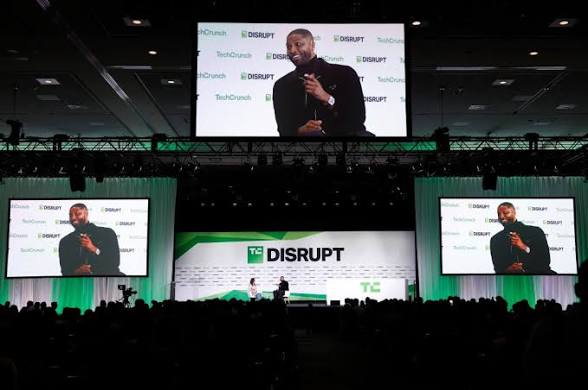
With just five days remaining before prices rise, founders, investors, and operators are racing to secure discounted passes to TechCrunch Disrupt 2026, the flagship startup conference returning to San Francisco’s Moscone West.
Disrupt has long been positioned as a place where access, not just ideas, determines who accelerates and who stalls. For early-stage founders, the event compresses what can feel like months of cold outreach into a few concentrated days of direct contact with investors, partners, and potential customers. Instead of chasing introductions, attendees step into an environment designed to engineer them.
Organizers expect more than 10,000 participants and over 300 exhibiting startups, creating a dense marketplace of capital, talent, and technology. The conference floor, structured networking zones, and investor-focused receptions are built to move conversations quickly from small talk to term sheets, or at least to meaningful follow-ups.
Beyond the dealmaking, Disrupt is known for its candid, tactical sessions with founders and operators who have navigated the path from idea to scale. Panels and fireside chats typically dig into fundraising strategy, go-to-market execution, product-led growth, and the realities of building in volatile markets. The emphasis is on unfiltered lessons rather than polished origin stories.
Attendees also tap into a broader citywide experience. Dozens of side events across the Bay Area extend the conference into breakfasts, workshops, and late-night meetups, giving visitors more chances to deepen relationships that start on the main floor. For many, those informal gatherings are where the most consequential conversations happen.
For investors, Disrupt offers a concentrated view of emerging sectors and early signals on where founders are placing their bets. With thousands of one-on-one meetings facilitated on-site, it has become a scouting ground for both institutional funds and angels looking to deploy capital efficiently.
With early-bird pricing set to expire in five days, the cost of waiting is not just financial. For teams already thinking about their next round or strategic partnerships, missing the window means delaying access to one of the few events where the global startup ecosystem gathers with a shared agenda: move ideas, deals, and companies forward.