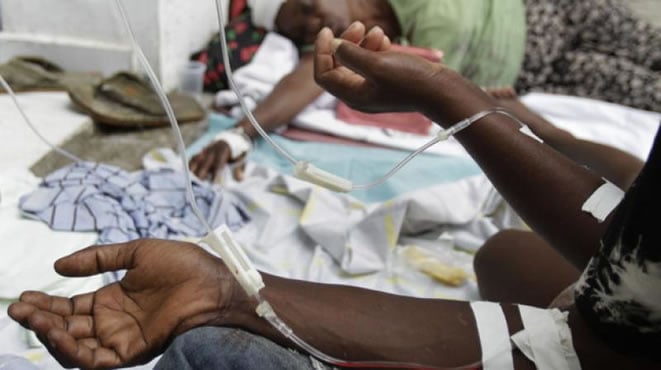
The Federal Government is desperately sounding the alarm, having made four emergency requests to the International Coordinating Group on Vaccine Provision for cholera vaccines. This comes as Nigeria finds itself in the midst of a devastating cholera crisis, with the death toll climbing to over 500 lives lost. The situation is dire, and the government's response is under intense scrutiny.
Shocking nationwide statistics reveal that Nigeria has recorded a staggering 22,102 cholera cases, with a Case Fatality Rate of 2.3 percent. In just the last month, the country reported 1,320 new cases and 33 additional deaths. These figures only serve to highlight the government's failure to control this outbreak effectively.
Globally, the World Health Organization's exclusive report sheds light on a troubling cholera surge, with over 565,404 cases and 7,074 deaths reported across 32 countries. The Eastern Mediterranean Region is the most affected, but Nigeria is certainly not lagging behind in this alarming epidemic.
The core mission of the International Coordinating Group (ICG) is supposed to ensure fair access to life-saving vaccines for cholera and other outbreaks, yet the rising requests for vaccines underscore the inadequacies in pandemic preparedness and response. The government’s scramble for vaccines underscores an alarming lack of planning and foresight.
With the African Region also seeing 13,253 new cholera cases in October alone, one can only wonder: what is being done to prevent such crises? Countries like the Democratic Republic of the Congo and Angola are facing similar challenges, but Nigeria's situation appears particularly precarious.
While the WHO reports that the global Oral Cholera Vaccine stockpile remains above target levels, the reality is that Nigeria's needs are not being met. The ICG received 50 emergency requests just this year, a dramatic rise from previous years, and yet not all requests were approved. This begs the question: why are we still falling short?
Major barriers to combating cholera, as highlighted by the WHO, include limited vaccine supplies and poor water, sanitation, and hygiene infrastructure. It's high time the government acknowledged these shortcomings and took substantial action rather than merely reacting to crises.
In a bid to support Nigeria’s flagging response efforts, Japan has stepped in with a $500,000 donation aimed at bolstering the country's capabilities. However, the need for consistent international support and a solid national health infrastructure cannot be overstated. Will this be enough to turn the tide?
The ongoing cholera crisis in Nigeria serves as a stark reminder of the urgent need for both local and international stakeholders to take proactive measures. Inaction is not an option as the government grapples with a public health emergency that continues to escalate. Are we prepared to face the consequences of our failures?