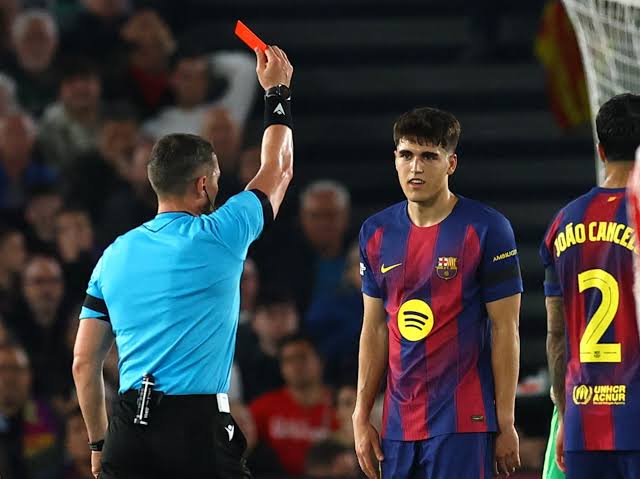
UEFA has rejected a formal complaint from FC Barcelona over a contentious refereeing decision in their UEFA Champions League quarter-final first leg against Atlético de Madrid at the Olympic Stadium in Montjuïc.
Barcelona lodged the protest days after the match, arguing that a key decision by the match officials had materially affected the tie. The club asked UEFA to review the incident and consider potential disciplinary or corrective measures, a move that underscored the growing tension around refereeing standards in elite European competition.
In a statement, UEFA confirmed that its Control, Ethics and Disciplinary Body had examined the protest but ruled it inadmissible. The governing body did not specify which incident Barcelona had challenged, nor did it release any additional explanation beyond the brief procedural note. The decision means the complaint will not advance to a full disciplinary hearing and no changes will be made to the result or to the officials’ status.
The lack of detail from UEFA is consistent with its usual handling of protests against referees’ decisions. Under competition regulations, clubs face a high bar when attempting to overturn or formally challenge on-field calls, which are generally considered final unless there is clear evidence of a rules violation beyond normal refereeing discretion.
Barcelona had hoped the case would at least trigger a deeper review of the officiating, particularly given the stakes of a Champions League quarter-final and the scrutiny on video assistant referee interventions. Instead, UEFA’s swift dismissal effectively closes the matter at disciplinary level.
The ruling leaves Barcelona to focus solely on the footballing response in the second leg, where they must overcome both the aggregate situation and the psychological weight of feeling wronged by the officiating. Atlético, for their part, will prepare as planned, with no sanctions or replays arising from the controversy.
The episode adds another layer to the long-running debate over transparency in UEFA’s refereeing processes. While the confederation has invested heavily in VAR and referee development, clubs and supporters continue to call for clearer communication when high-profile decisions come under formal challenge.