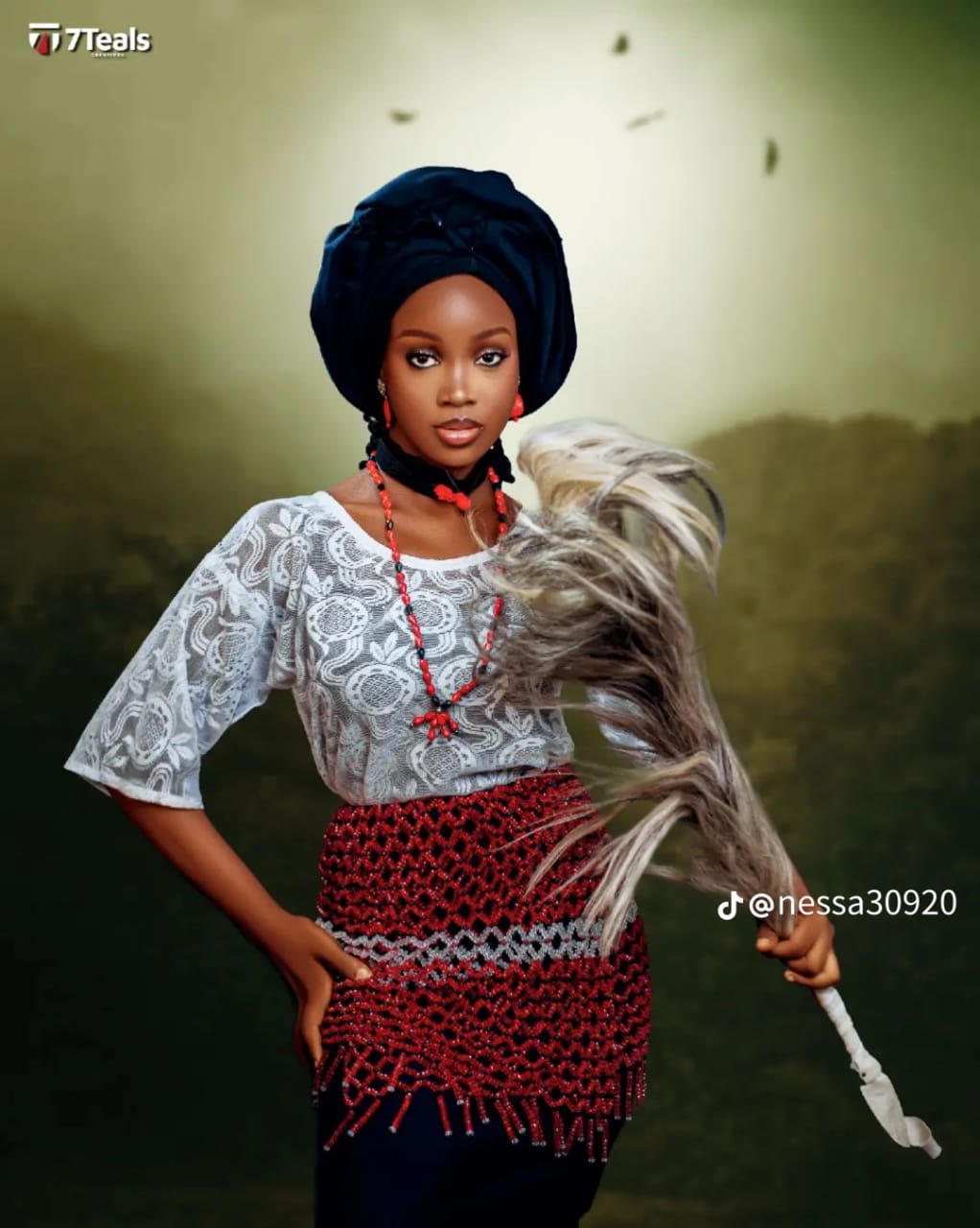
*THE RICH CULTURAL HERITAGE OF THE BACHAMA PEOPLE OF ADAMAWA STATE, NIGERIA*
Nigeria is a country blessed with remarkable cultural diversity, and among its many ethnic groups, the Bachama people—who proudly call themselves Bwatiye—stand out for their rich history, vibrant traditions, and deep sense of identity. Found mainly in Numan, Demsa, and Lamurde Local Government Areas of Adamawa State, the Bachama people have preserved a unique way of life that continues to inspire admiration across Nigeria. Their culture reflects courage, unity, respect for tradition, and a close relationship with the land and the River Benue.
In an era of rapid modernization, the Bachama people remain committed to preserving the customs and values handed down by their ancestors. Their traditional festivals, language, music, dances, arts, and system of leadership continue to shape their identity and strengthen community bonds.
The Origin of the Bachama People
The Bachama, also known as the Bwatiye, are one of the major ethnic groups in Adamawa State. According to oral traditions, they have lived in the Upper Benue Valley for centuries. Their history includes periods of migration and the establishment of settlements around the fertile lands surrounding the Benue River. Historians also note that the Bachama maintained a strong cultural identity despite political changes that affected the region during the nineteenth century.
The fertile plains along the Benue River provided ideal conditions for farming and fishing, enabling the Bachama people to develop a thriving agricultural society. Over time, they established organized communities with respected traditional institutions that continue to exist today.
Traditional Leadership and the Hama Bachama
One of the strongest pillars of Bachama culture is its traditional leadership system. The supreme traditional ruler is known as the Hama Bachama, who serves as the custodian of the people's customs, traditions, and cultural values.
The Hama Bachama is highly respected and plays an important role in promoting peace, resolving disputes, preserving cultural heritage, and representing the unity of the Bachama Kingdom. The royal palace in Numan serves as an important cultural center where traditional ceremonies and community gatherings are held.
Traditional chiefs, elders, and community leaders also assist in maintaining law and order while ensuring that cultural practices are passed on to younger generations.
The Bachama Language
Language is one of the strongest symbols of identity among the Bachama people. They speak the Bacama (Bwatiye) language, a Chadic language spoken mainly in Adamawa State. Although many Bachama people also speak English and Hausa, especially in schools and business settings, they continue to preserve their native language through everyday communication, storytelling, songs, and cultural ceremonies.
Parents and elders encourage children to learn and speak Bwatiye so that future generations can continue to preserve their cultural heritage.
Traditional Occupations
Agriculture remains the backbone of the Bachama economy. The fertile lands surrounding the Benue River make farming both productive and sustainable. Farmers cultivate crops such as maize, rice, millet, sorghum, yam, cassava, beans, and vegetables.
Fishing is another important occupation because many Bachama communities are located close to rivers and streams. Fresh fish from the Benue River contributes both to family nutrition and local trade.
Animal rearing, hunting, weaving, pottery, blacksmithing, and wood carving also contribute to the local economy. These traditional occupations have been practiced for generations and continue to provide livelihoods for many families.
Traditional Attire
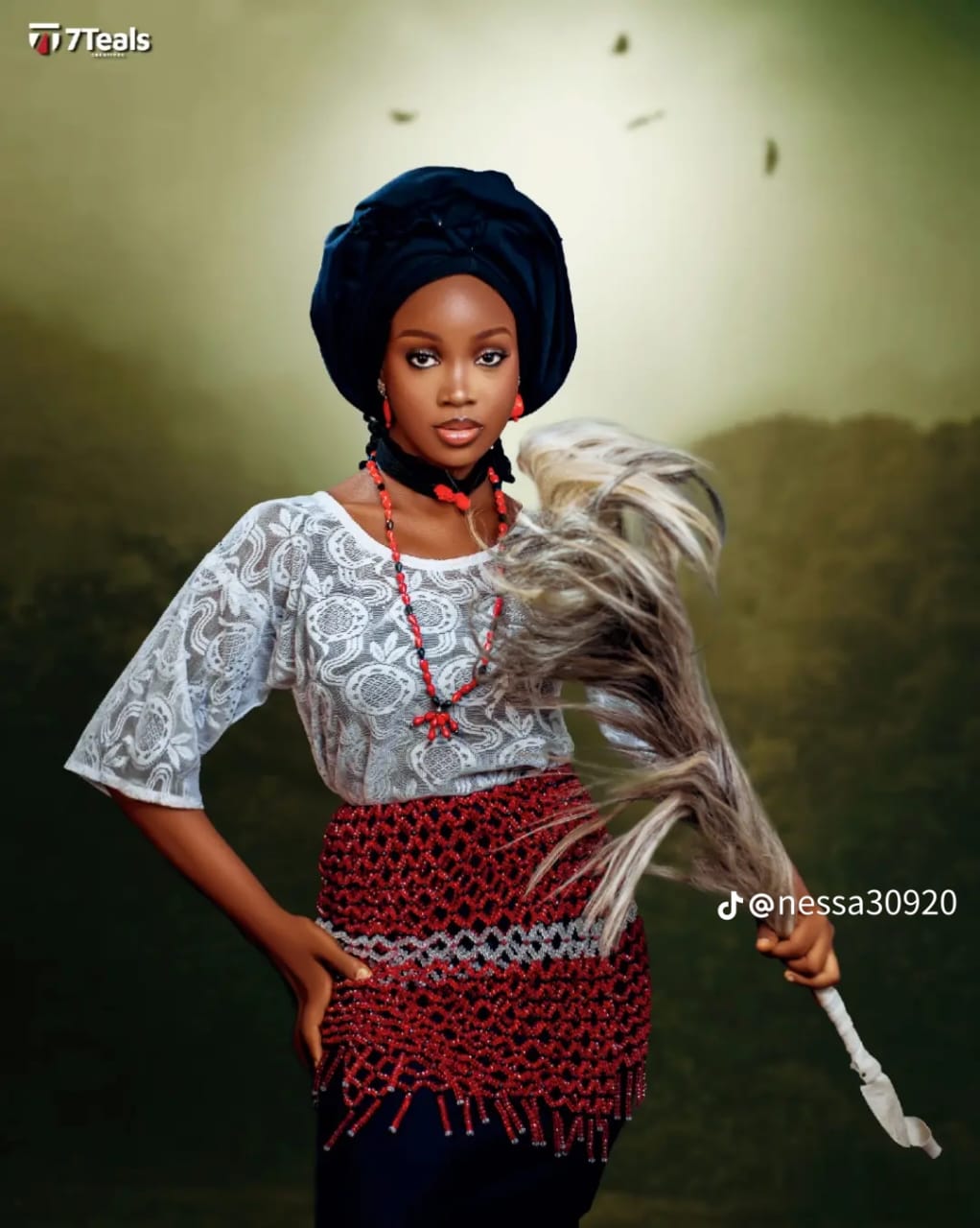
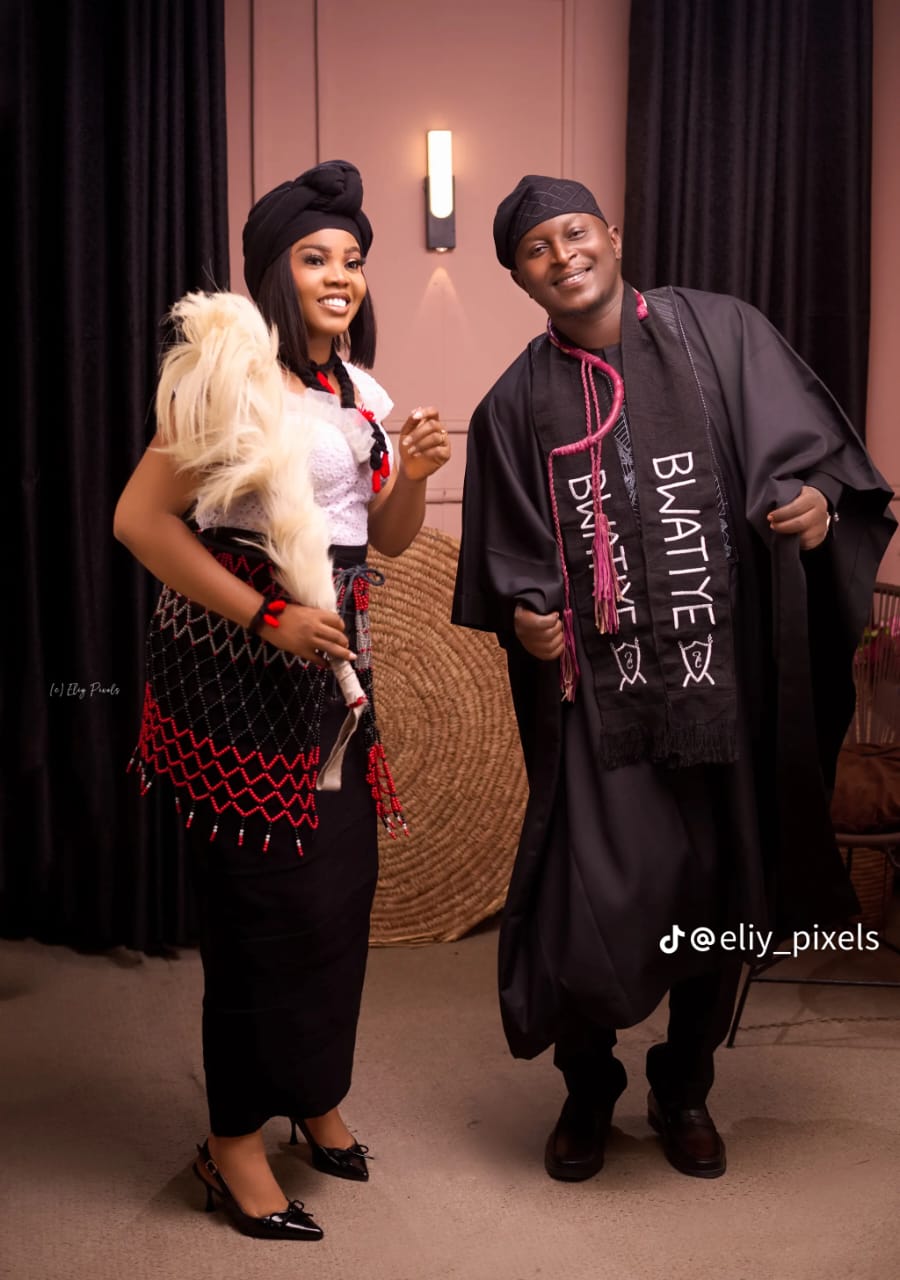
The colorful traditional attire of the Bachama people reflects elegance and cultural pride. Men often wear beautifully embroidered traditional gowns, wrappers, caps, and beads during ceremonies and festivals. Women are known for their attractive wrappers, blouses, head ties, necklaces, bangles, and other traditional ornaments.
Special occasions such as weddings, coronations, festivals, and cultural celebrations provide opportunities for people to proudly display their traditional clothing. These garments often symbolize beauty, dignity, and respect for tradition.
Music and Traditional Dance
Music occupies a central place in Bachama culture. Traditional songs celebrate bravery, love, unity, harvest, leadership, and community achievements. Local musicians perform using traditional drums, rattles, flutes, horns, and other indigenous instruments.
Dance performances are energetic and colorful. Men and women dance in groups while dressed in beautiful cultural attire, moving rhythmically to the sound of traditional instruments. These dances entertain audiences while preserving historical stories and cultural values.
Young people are encouraged to participate in cultural dance groups, ensuring that these traditions continue from one generation to another.
The Famous Kwete Cultural Festival
One of the most celebrated events among the Bachama people is the Kwete Cultural Festival. This annual festival marks the beginning of the farming season and serves as a prayer for peace, prosperity, and abundant harvests.
During the festival, thousands of people—including visitors from different parts of Nigeria and abroad—gather to witness spectacular displays of traditional dances, wrestling competitions, music, cultural exhibitions, and colorful processions.
The festival also promotes unity among the Bachama people while providing younger generations with the opportunity to learn about their heritage. It has become an important tourist attraction and contributes to preserving the cultural identity of the Bachama Kingdom.