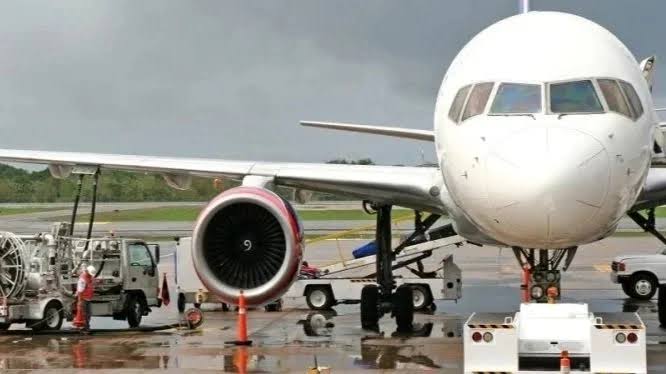
Nigerian airlines are preparing to ground their fleets after operators warned that soaring aviation fuel prices and what they describe as exploitative practices by fuel marketers have pushed the industry to breaking point.
The planned shutdown, announced by the Airline Operators of Nigeria AON, follows months of mounting tension over the cost and availability of Jet A1 fuel. Operators say the price of aviation fuel has risen several times over in a short period, eroding already thin margins and leaving many carriers unable to cover basic operating costs.
Industry executives argue that the fuel market has become opaque and unregulated, with airlines forced to buy at what they call arbitrary prices. Several operators say they are now flying at a loss on many domestic routes, even after multiple fare increases that have already stretched passengers’ budgets.
Fuel typically accounts for a large share of airline operating expenses, but Nigerian carriers say the current spike is unprecedented. Some have cut frequencies, consolidated routes, or parked aircraft in an effort to conserve cash. Others warn that without immediate relief, they may be forced into insolvency.
A shutdown would have far-reaching consequences for Africa’s most populous nation. Domestic air travel is a critical link between major commercial centres and remote regions where poor road networks make flying the only viable option for business travellers, government officials, and medical emergencies.
Logistics companies, e-commerce platforms, and manufacturers that depend on air cargo for time-sensitive deliveries could also face severe disruption. Tourism operators and hotels are bracing for cancellations, while analysts caution that investor confidence could be shaken if the crisis drags on.
Aviation stakeholders are urging the federal government to intervene urgently, either by easing access to foreign exchange for fuel imports, offering temporary tax or duty relief, or facilitating direct negotiations between airlines and fuel suppliers. They also want tighter oversight of pricing practices in the aviation fuel market.
Beyond fuel, airlines are contending with a shortage of foreign currency needed to pay for aircraft leases, spare parts, and maintenance carried out overseas. Depreciation of the naira has sharply increased these costs, compounding the pressure on balance sheets.
Regulators and fuel marketers have yet to announce concrete measures to address the crisis. Industry analysts warn that if the standoff is not resolved quickly, Nigeria risks a prolonged disruption to its air transport system with knock-on effects across the wider economy.