The sun had just disappeared behind the hills of a small Nigerian village. A young woman named Ada hurried home after hearing strange whispers carried by the evening wind. As she walked, the sound of insects, distant drums, rustling leaves, and the cries of night birds filled the air. Suddenly, the drums became louder and more intense. Although nothing frightening had appeared on the screen, the audience could already feel tension building. This is the power of sound in modern African cinema.
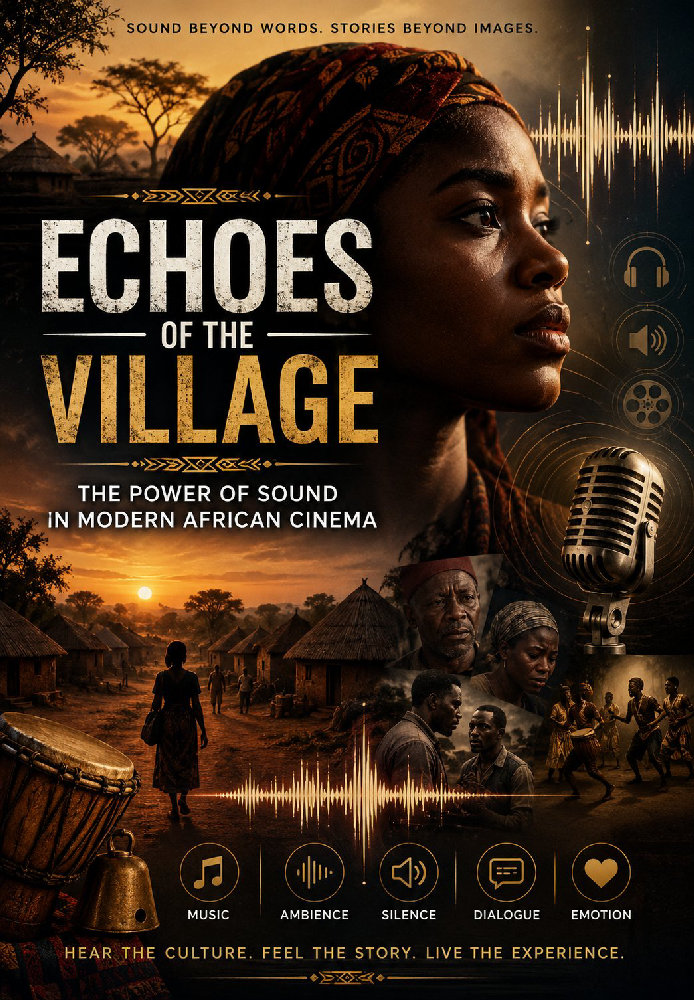
Sound is one of the most important storytelling tools in filmmaking. It goes beyond allowing viewers to hear conversations. It creates emotion, establishes the environment, communicates culture, and shapes the audience's understanding of the story. Modern African filmmakers use sound creatively to make their films more realistic, emotionally engaging, and culturally authentic.
As Ada reached her compound, her grandmother began to tell an old folktale. Soft traditional flute music played in the background, instantly transporting viewers into the world of African oral tradition. The music reminded the audience of their cultural heritage and created a feeling of nostalgia. This demonstrates how African cinema uses indigenous music and traditional instruments not merely for entertainment but to preserve culture and strengthen storytelling.
Later that night, Ada heard a loud knock on the wooden door. The silence before the knock made the moment even more shocking. The sudden sound effect startled both Ada and the audience. This shows how silence can be just as powerful as loud sounds. In modern African cinema, silence is often used to create suspense, fear, anticipation, or emotional depth.
When Ada opened the door, she discovered her brother had returned after many years in the city. As they embraced, soft emotional music began to play. Without anyone explaining their feelings, the audience understood the joy, relief, and love between the siblings. Background music in African films often guides the audience's emotions and strengthens the connection between viewers and characters.
The following morning, the village came alive with the sounds of children laughing, women bargaining in the market, motorcycles passing, birds singing, and church bells ringing in the distance. These natural sounds created realism and helped the audience believe they were truly present in the village. This realistic use of ambient sound is common in films from industries such as Nollywood, Ghallywood, and other African cinemas because it reflects everyday African life.
Later, a conflict arose between Ada's family and a corrupt businessman who wanted to seize their ancestral land. During the confrontation, the filmmaker used sharp sound effects, dramatic music, and changes in volume to increase the tension. Every footstep, heartbeat, and raised voice made the audience feel the seriousness of the situation. Sound therefore became an active storyteller rather than a mere background element.
Modern African cinema also uses dialogue to reflect cultural identity. Characters speak indigenous languages, local dialects, and Nigerian Pidgin English alongside English. These language choices make the stories authentic and allow audiences from different communities to connect with the characters. Good sound recording ensures these voices are clear while preserving their natural accents and expressions.
As Ada's story ended, the audience realized that they had experienced much more than a visual performance. The sounds of nature, traditional music, silence, dialogue, and carefully designed sound effects had guided their emotions from fear to hope, sadness to joy, and uncertainty to peace. Without these sound elements, the story would have lost much of its emotional power and cultural richness.
In conclusion, sound has transformed modern African cinema into a more immersive and expressive storytelling medium. It preserves African culture through indigenous music and language, creates emotional connections, builds suspense, enhances realism, and strengthens narrative impact. Whether in Nollywood, South African cinema, Kenyan cinema, or other African film industries, sound remains an indispensable element that brings African stories to life and leaves lasting impressions on audiences worldwide.
2