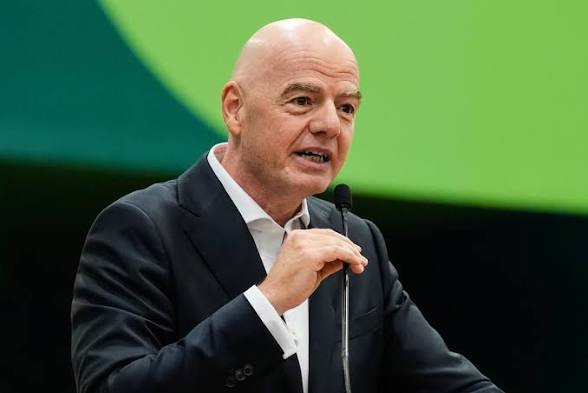
Gianni Infantino has survived an intense leadership crisis to remain president of FIFA after a marathon emergency meeting of the organisation’s management board in Morocco. The gathering, called amid uproar over a controversial plan to sell a stake in World Cup commercial rights, ended with senior officials reaffirming their support for the embattled president.
Infantino had come under heavy pressure after details emerged of proposals to offload a portion of World Cup revenues to private investors. Several national associations complained they had not been properly consulted, despite a looming deadline to approve the deal and a substantial financial incentive reportedly attached to backing the plan.
The backlash was swift and unusually public. Critics accused FIFA’s leadership of attempting to push through a fundamental change to the game’s flagship tournament without transparent debate. The episode triggered calls for Infantino’s resignation from some quarters of the global football community and raised questions about governance standards at the organisation.
Following seven hours of talks in Morocco, FIFA issued a statement confirming that its management board had given Infantino its full backing. That support extended to secretary general Mattias Grafstrom, who only days earlier had described the World Cup investment scheme as a sad and reproachable series of events.
In a letter sent to FIFA’s 211 member associations and signed jointly by Infantino and Grafstrom, the pair acknowledged the depth of the discontent. They offered a sincere apology for errors surrounding the proposals and confirmed that the plan had been withdrawn after days of mounting criticism.
A separate statement on FIFA’s official channels conceded that it had not been the intention for member associations to feel excluded from the process. The organisation admitted the matter should have been handled differently, an implicit recognition that communication and consultation had fallen short of expectations.
Infantino has repeatedly argued that he is accountable first and foremost to FIFA’s member associations, and his survival after the Morocco summit underlines the continued strength of his support among many of them. Yet the episode has left a mark, exposing deep sensitivities over the commercial future of the World Cup and reinforcing demands for greater transparency in how football’s most powerful body makes its decisions.