how artificial intelligence has advanced the world

Artificial Intelligence (AI) is gradually transforming journalism in Nigeria. A research study published on Zenodo titled AI-Driven Journalism and Media Practice in Nigeria explains how many Nigerian media organizations are beginning to adopt AI technologies to improve newsroom operations and keep up with the fast-changing digital world.
According to the study, AI can assist journalists by generating story ideas, analyzing large amounts of data, verifying information more quickly, engaging audiences on digital platforms, and making news production more efficient. These tools can save time and help media organizations deliver news faster, but they should never replace the critical thinking, creativity, and ethical judgment of professional journalists.

The research also highlights an important lesson: technology should always be used responsibly. Journalists need proper training to understand how AI works, recognize its limitations, and avoid spreading false or misleading information. Media organizations should establish clear ethical guidelines and maintain strong editorial oversight so that every story published is accurate, fair, balanced, and trustworthy.
For journalism students and media professionals in Nigeria, AI offers exciting opportunities to develop new digital skills and improve productivity. At the same time, it reminds us that the core values of journalism—truth, integrity, fairness, and accountability—must always come first. AI is a powerful tool, but it is human responsibility, ethical decision-making, and a commitment to serving the public that make journalism meaningful. As Nigeria continues to embrace digital innovation, journalists should view AI as a partner that supports quality reporting while ensuring that the public receives credible and reliable information.
The Rising Challenge of Drug Abuse in Nigeria

Drug abuse has become one of Nigeria's most serious public health and security challenges, affecting millions of people, especially young people. Recent operations by the National Drug Law Enforcement Agency (NDLEA) have uncovered large quantities of illegal drugs, including cannabis, heroin, methamphetamine, and tramadol, showing that drug trafficking networks are becoming more organized and sophisticated.
Research estimates that about 14.4 million Nigerians have been exposed to substance use, a rate far higher than the global average. Drug abuse contributes to addiction, mental and physical health problems, poor academic and work performance, family breakdown, crime, and insecurity. It also places a heavy burden on the country's healthcare system and economy.
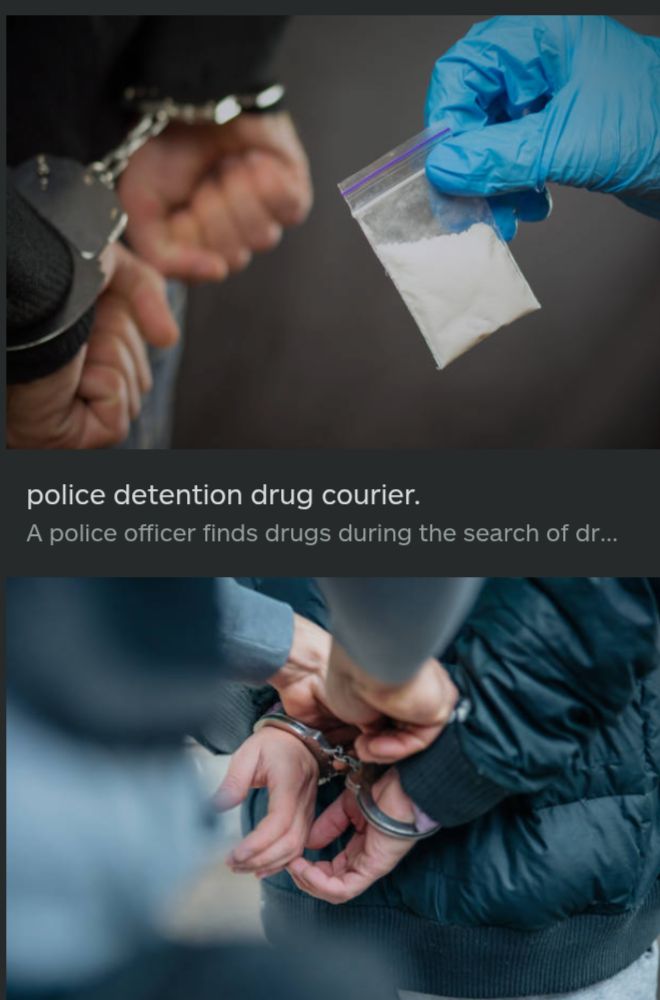
Addressing the problem requires cooperation among the government, law enforcement agencies, schools, parents, healthcare professionals, communities, and the media. Through education, awareness, effective law enforcement, and access to treatment and rehabilitation, Nigeria can reduce drug abuse and protect its future. The fight against drug abuse is a shared responsibility, and every citizen has a role to play in building a healthier and safer society.
conclution
Drug abuse remains one of the greatest threats to Nigeria's health, security, and future development. While law enforcement agencies such as the NDLEA continue to make significant arrests and seize illegal drugs, lasting success depends on prevention, education, and collective action. Young people must be informed about the dangers of drug abuse and encouraged to make healthy, responsible choices. By working together—through stronger laws, public awareness, family support, and rehabilitation programmes—Nigeria can reduce drug abuse, protect its citizens, and build a safer, healthier, and more productive nation.
thanks for your time my lovely audience promised am gonna be posting more …etc…