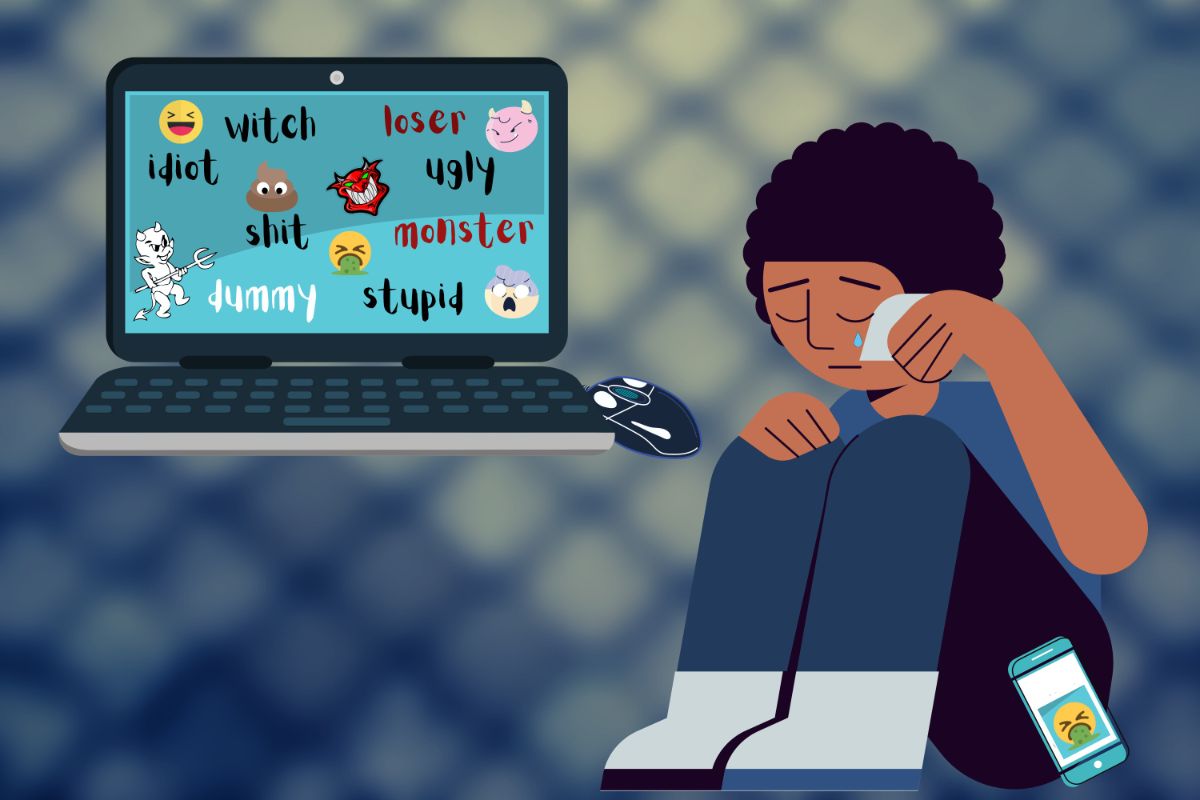
How online harrasment is destroying the of people on social media platforms and the society must do about it
By Jamiu Bashirat Adeola
The rise of the internet and social media has made communication easier than ever before, but it has also created new opportunities for abuse. A single hateful comment, threatening message or embarrassing photograph can spread to thousands of people within minutes, leaving victims emotionally distressed and socially isolated.
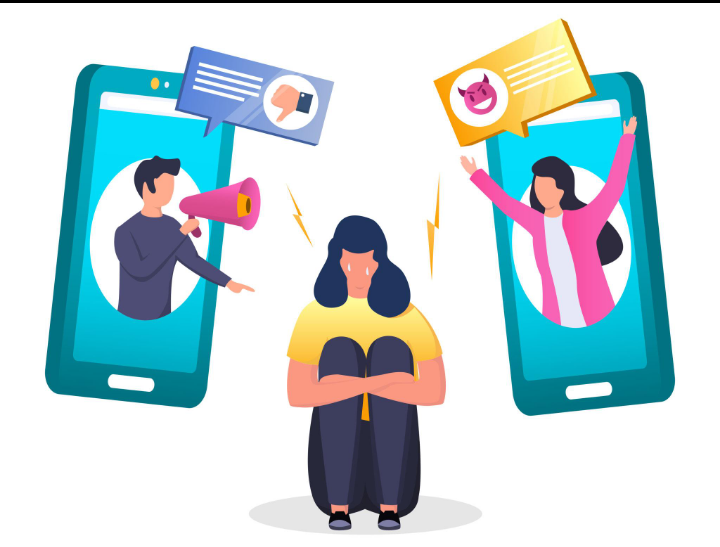
One of the most dangerous aspects of cyberbullying is that harmful content can remain online indefinitely. Even after a post is deleted, screenshots and shared copies may continue to circulate, making it difficult for victims to escape the abuse. Cyberbullying affects people of all ages, but children, teenagers and young adults who are among the most vulnerable because of their frequent use of social media.
---
Also,Cyberbullying takes different forms, and many victims experiences more than one type Internet abuse at the same time.some of them could be:

Harassment: Sending repeated insulting, threatening or abusive messages through social media, emails or text messages.
Flaming: Engaging in online arguments using offensive language and personal attacks intended to humiliate another person publicly.
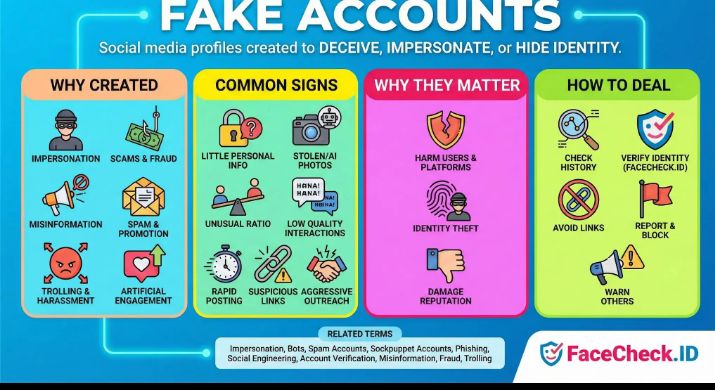
Impersonation: Creating fake accounts or hacking someone's account to post false or embarrassing information in their name.
Outing: Sharing someone's private conversations, personal information or photographs without their permission.
Exclusion: Deliberately leaving someone out of online groups, chats or social activities to make them feel isolated.
Cyberstalking: Constantly monitoring, threatening or intimidating someone online over a long period.
Doxxing: Publishing someone's private information, such as their phone number or address, without consent.
Each of these behaviours can seriously affect a victim's emotional well-being and sense of safety causing them so kind of pains mental issues.
---
Looking at the
Several factors contributing to the increasing rate of cyberbullying around the world.
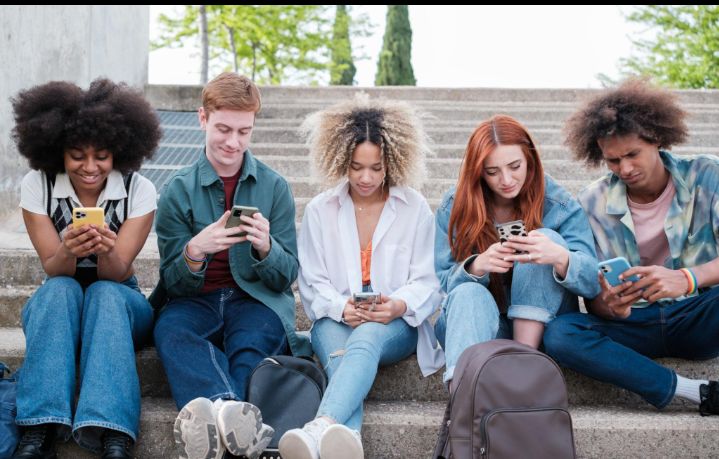
One major cause is the widespread use of smartphones and social media. As more people spend hours online every day, opportunities for cyberbullying also increase.
Another important factor is anonymity. Many cyberbullies hide behind fake names or anonymous accounts, believing they cannot easily be identified or punished.
Peer pressure also plays a significant role. Young people sometimes join others in mocking or insulting someone online simply to gain acceptance or popularity among their friends.
The desire for attention and social media popularity encourages some individuals to post controversial or hurtful content because they know it may attract likes, comments and shares.
Poor digital education is another cause. Some internet users fail to understand the emotional and legal consequences of their online actions.
Personal problems such as jealousy, revenge, low self-esteem, anger or frustration may also lead some individuals to target others online.
---
And now
Cyberbullying has cause serious effects and damage on individuals, families and society and also worldwide.

Victims often experience emotional pain, fear, embarrassment, loneliness and sadness. Continuous harassment can lower a person's self-confidence and make them withdraw from friends and family.
Many victims develop anxiety, depression and stress-related disorders. Some lose interest in school, work or social activities because they fear being mocked or humiliated online.
The stress caused by cyberbullying may also lead to physical health problems such as headaches, poor sleep, fatigue and loss of appetite.
For students, cyberbullying often affects concentration and academic performance. Some begin skipping classes, while others drop out of school completely.
Families also suffer emotional distress as parents struggle to support affected children. Schools spend valuable time resolving conflicts that begin online and continue in classrooms.
Society is affected when online abuse becomes normal or keep occuring in our daily routine. Cyberbullying discourages healthy discussions, spreads hatred and creates unsafe digital spaces. In severe cases, prolonged cyberbullying has contributed to self-harm and suicide, demonstrating the devastating impact it can have on victims.
---
The reduction of this
Cyberbullying can be done through cooperation among individuals, families, schools, technology companies and governments.
Parents should educate their children about responsible internet use and encourage them to report online harassment without fear.
Schools should introduce digital citizenship programmes that teach students about online respect, responsible communication and the consequences of cyberbullying.
Social media companies must strengthen their reporting systems, remove abusive content quickly and suspend users who repeatedly violate community guidelines.
Governments should enforce laws against online harassment while creating public awareness campaigns about digital safety.
Individuals also have an important role to play. Internet users should think carefully before posting comments, avoid sharing harmful content.
Victims should keep evidence of abusive messages, block offenders, report the accounts and seek help from trusted adults, teachers, counsellors or law enforcement when necessary.
---
Cyberbullying is more than a digital prank or online argument—it is a serious social problem with lasting consequences